
Why Neck Stiffness Is Increasing in the Digital Era

In today’s fast-paced digital era, neck stiffness has become an increasingly common complaint among individuals of all ages. As digital devices become more integrated into our daily lives, the incidence of neck discomfort has surged, posing new health challenges. This condition, often characterized by pain and restricted movement, can significantly impact your quality of life if left unaddressed. The modern lifestyle, dominated by screens and prolonged sitting, has altered the way we use our bodies. You may not realize how much time you spend looking at screens, but these habits can take a toll on your neck and spine. The convenience of technology, while beneficial, has inadvertently contributed to physical ailments that were less prevalent in previous generations, which can also hinder a healthy body transformation if posture and physical activity are neglected. Understanding the causes and solutions for neck stiffness in this digital age is crucial for maintaining optimal health and well-being. By recognizing the factors that contribute to this condition, you can take proactive steps to mitigate its effects and enhance your overall quality of life. Common Causes of Neck Stiffness Neck stiffness can arise from a variety of factors, many of which are linked to our modern lifestyle. One of the primary causes is poor posture, often resulting from prolonged use of computers and smartphones. When you hunch over a screen, your neck muscles are strained, leading to discomfort and stiffness over time. Another significant cause is the lack of physical activity. A sedentary lifestyle can weaken the muscles that support your neck and spine, making them more susceptible to strain and injury. It’s essential to incorporate regular movement into your routine to keep these muscles strong and flexible. Additionally, stress and tension can manifest physically, causing your neck muscles to tighten and become stiff. Mental stress can lead you to unconsciously clench your muscles, contributing to discomfort. Understanding these causes can help you identify and correct habits that may be hindering your body transformation and overall physical well-being. The Impact of Technology on Neck Health The role of technology in our daily lives cannot be overstated, but it has a profound impact on neck health. The term “tech neck” has emerged to describe the neck pain and stiffness associated with looking down at digital devices for extended periods. This repetitive motion can lead to significant strain on your neck muscles and cervical spine. Moreover, the constant use of smartphones and tablets can disrupt your natural posture. When you tilt your head forward to look at a screen, it increases the load on your neck, leading to fatigue and discomfort. Over time, this can result in chronic pain and long-term damage if not addressed. The pervasive nature of technology means that avoiding these devices is not a practical solution. Instead, finding ways to use technology mindfully and adopting healthy habits can help you mitigate its negative effects on neck health. By being aware of how technology impacts your body, you can take steps to protect your neck from unnecessary strain and support your ongoing body transformation goals. Symptoms Associated with Neck Stiffness Neck stiffness can present with a range of symptoms, some of which might be more severe than others. Commonly, you might experience a dull, aching pain localized to the neck area, often worsening with movement. This discomfort can sometimes radiate to your shoulders or upper back, causing additional strain. In addition to pain, you may notice a decrease in your range of motion. Simple tasks like turning your head from side to side or looking up and down can become challenging. This reduced mobility can interfere with your daily activities, making it difficult to perform routine tasks comfortably. Other symptoms can include headaches, particularly tension headaches, which are often linked to neck stiffness. These headaches can cause additional discomfort and may require specific treatments to alleviate. Recognizing these symptoms early allows you to address them promptly and prevent further complications. Preventive Measures for Neck Stiffness Taking preventive measures is vital to safeguard your neck health. Start by being mindful of your posture while using digital devices. Ensure that your screen is at eye level and your back is supported to avoid unnecessary strain on your neck. Regularly check your posture and make adjustments as needed. Incorporating regular breaks into your routine can also be beneficial. Every 30 minutes, take a short break to stretch and move around. This simple habit can significantly reduce the tension in your neck muscles and promote better circulation. Consider setting reminders to help you stay consistent with these breaks. Engaging in regular physical activity is another effective way to prevent neck stiffness. Activities such as yoga, swimming, and Pilates can strengthen the muscles that support your neck and improve flexibility. These exercises can help counteract the effects of prolonged sitting and reduce your risk of developing neck pain. Effective Solutions and Treatments for Neck Stiffness When neck stiffness becomes a concern, several solutions and treatments can provide relief. Over-the-counter pain relievers, such as ibuprofen or acetaminophen, can help manage pain and reduce inflammation. However, these should be used sparingly and as directed by a healthcare professional. Applying heat or cold therapy can also be effective in alleviating neck stiffness. A warm compress or heating pad can relax tense muscles, while an ice pack can reduce swelling and numb the area to relieve pain. Alternating between heat and cold therapy may provide the best results. For more persistent cases, physical therapy can be beneficial. A licensed physical therapist can guide you through exercises and stretches specifically designed to address neck stiffness. They can also provide education on posture and ergonomics to help prevent future occurrences. Ergonomic Tips for Reducing Neck Strain Adopting ergonomic practices in your workspace can significantly reduce neck strain. Ensure that your chair provides adequate support for your lower back and that your desk is at the correct height. Your feet should be flat on the floor, and your knees should be at a 90-degree angle. Position
Why Elderly People Are at Higher Risk of Fractures

As we age, the risk of fractures increases significantly, posing a substantial challenge for older adults. Fractures can severely impact the quality of life, independence, and overall well-being. Understanding why the elderly are more prone to fractures and learning effective prevention strategies is crucial for maintaining bone health and reducing fracture risk. The aging process brings about physiological changes that weaken the skeletal system. Bones become more fragile, and the body’s natural ability to heal diminishes. This makes falls and other accidents more likely to result in fractures. By gaining insight into these changes, you can take proactive steps to safeguard your bone health and support a sustainable body transformation focused on strength and longevity. Addressing the issue of fractures in the elderly requires a comprehensive approach. From understanding the anatomy of bone health to implementing lifestyle changes, each aspect plays a vital role. Understanding the Anatomy of Bone Health Bone health is a critical component of overall health, especially as you age. Bones provide structure, protect organs, anchor muscles, and store calcium. They are composed of a dense outer layer known as cortical bone and a spongy inner layer called trabecular bone. Both layers work together to maintain strength and flexibility. As you age, your bones undergo a continual process of remodeling, where old bone tissue is replaced with new. However, in elderly individuals, this process slows down, leading to an imbalance where bone loss occurs more rapidly than bone formation. This imbalance contributes to a decrease in bone density and an increased risk of fractures. Understanding these anatomical changes is essential for recognizing the importance of maintaining bone health. By prioritizing bone health through nutrition, exercise, and regular check-ups, you can mitigate the natural decline and maintain stronger bones well into your later years, supporting a long-term body transformation focused on strength and overall well-being. Key Factors Contributing to Increased Fracture Risk Several factors contribute to the heightened risk of fractures in older adults. Age-related changes in bone density are a primary concern, but other factors such as genetics, lifestyle, and underlying medical conditions also play significant roles. Understanding these factors allows you to make informed decisions and adopt strategies that promote stronger bones and reduce the chance of fractures. Common Types of Fractures in Older Adults Fractures in the elderly often occur in specific areas that are more vulnerable due to changes in bone density and structure. Some of the most common fractures include: Recognizing these common fracture types can help you focus on preventing falls and minimizing risk factors associated with each area. The Role of Osteoporosis in Fracture Risk Osteoporosis is a prevalent condition in older adults that significantly increases the risk of fractures. It is characterized by decreased bone mass and deterioration of bone tissue, making bones more fragile and susceptible to fractures even with minor injuries. Diagnosing osteoporosis early is crucial for effective management and prevention of fractures. Bone density tests, such as a DEXA scan, can help identify osteoporosis before a fracture occurs. If diagnosed, medications and lifestyle changes can slow bone loss and improve bone strength. Understanding the role of osteoporosis in fracture risk empowers you to take proactive measures. By addressing osteoporosis through medical intervention and lifestyle modifications, you can greatly reduce the likelihood of fractures. Importance of Nutrition for Bone Health Nutrition plays a pivotal role in maintaining bone health and reducing fracture risk. A balanced diet rich in essential nutrients supports bone density and strength. Key nutrients for bone health include calcium, vitamin D, and protein. Key Nutrients for Bone Health: Incorporating these nutrients into your diet can significantly enhance bone health and reduce the risk of fractures. Consulting with a nutritionist can help tailor a diet plan that meets your specific needs. Lifestyle Changes to Reduce Fracture Risk Implementing lifestyle changes is a proactive approach to reducing fracture risk. By modifying certain habits, you can enhance bone health and overall well-being. By adopting these lifestyle changes, you invest in a healthier future and minimize the potential for fractures. Preventive Strategies: Exercise and Physical Activity Exercise is one of the most effective preventive strategies for reducing fracture risk. It improves bone density, enhances muscle strength, and promotes better balance and coordination. Recommended Exercises: Incorporating these exercises into your routine can significantly enhance your bone health and reduce the risk of fractures. Consult with a healthcare provider to create a safe and effective exercise plan tailored to your needs. The Role of Medications in Bone Health Medications can play a crucial role in managing bone health, particularly for individuals diagnosed with osteoporosis or other bone-related conditions. Various medications are available to slow bone loss, increase bone density, and reduce fracture risk. Common Medications: Discussing medication options with your healthcare provider can help determine the best approach for your bone health needs. Regular Health Screenings and Their Importance Regular health screenings are essential for early detection and management of conditions that may increase fracture risk. Routine check-ups can identify osteoporosis, assess bone density, and evaluate overall health. Key Screenings: By prioritizing regular health screenings, you can catch potential issues early and take preventive measures to maintain bone health. Creating a Supportive Home Environment A supportive home environment is vital for reducing the risk of falls and fractures. Simple modifications can make your living space safer and more accessible. Home Safety Tips: By creating a safer home environment, you can reduce the likelihood of falls and protect yourself from potential fractures. Conclusion: Empowering the Elderly to Prevent Fractures Empowering yourself with knowledge and taking proactive steps can significantly reduce the risk of fractures as you age. Understanding the factors that contribute to increased fracture risk, adopting preventive strategies, and making lifestyle changes are all integral to maintaining bone health. By prioritizing nutrition, engaging in regular exercise, and seeking medical guidance when needed, you can strengthen your bones and enhance your quality of life. Remember, it’s never too late to start caring for your bones. Embrace these strategies, and encourage fellow
When a Disc Bulge Causes Nerve Pain

A disc bulge refers to a condition where a spinal disc extends beyond its normal boundary, often pressing against nearby nerves. This protrusion can occur due to the degeneration of the disc’s outer layer or as a result of physical trauma. The spine consists of several intervertebral discs that act as cushions, absorbing shock and facilitating movement. When these discs are compromised, it can lead to discomfort and mobility issues. Disc bulges are common and can occur in any part of the spine, though they frequently affect the lower back and neck. The severity of a disc bulge can vary, with some individuals experiencing minimal symptoms, while others may endure significant pain and restricted movement. Understanding the nature of disc bulges is crucial for managing symptoms and preventing further complications, especially for those working toward a body transformation and maintaining an active lifestyle. It’s important to differentiate a disc bulge from a herniated disc, as the latter involves a rupture of the disc’s outer layer, leading to more severe symptoms. While both conditions can cause nerve pain, their management and treatment strategies may differ. By identifying the specific type of disc issue, you can pursue appropriate medical interventions. Causes of Disc Bulge and Its Relation to Nerve Pain Several factors can contribute to the development of a disc bulge. Age-related degeneration is one of the most common causes, as the discs lose water content and elasticity over time. This natural wear and tear can weaken the disc structure, making it more susceptible to bulging. Additionally, repetitive motions or heavy lifting can place undue stress on the spine, increasing the risk of disc bulges. Another significant cause is poor posture, which can lead to uneven pressure on the spinal discs. Sitting or standing improperly for extended periods can accelerate disc degeneration and lead to bulging. Furthermore, obesity and lack of physical activity can exacerbate spinal stress, contributing to disc problems and potentially hindering a body transformation focused on improving overall health and fitness. Disc bulges can impinge on nearby nerves, leading to nerve pain. This pain, known as radiculopathy, may manifest as a sharp, shooting sensation radiating along the affected nerve’s path. The pressure on the nerve can also cause numbness, tingling, or muscle weakness, significantly impacting your daily activities. Understanding the link between disc bulges and nerve pain is essential for effective management and relief. Symptoms of Nerve Pain Due to Disc Bulge The symptoms of nerve pain resulting from a disc bulge can vary based on the location and severity of the bulge. Commonly, individuals experience pain radiating from the back to other parts of the body, such as the arms or legs. This pain can be sharp, burning, or tingling, and it often worsens with specific movements or positions. In addition to pain, you may notice sensations of numbness or tingling in the affected areas. These symptoms occur because the bulging disc compresses the nerves, disrupting normal sensory and motor function. In severe cases, this compression can lead to muscle weakness, affecting your ability to perform routine tasks or maintain balance, which can also slow your body transformation progress if physical activity becomes limited. It’s crucial to pay attention to these symptoms and seek medical advice if they persist or worsen. Early intervention can prevent further nerve damage and improve your quality of life. By recognizing the signs of nerve pain due to a disc bulge, you can take proactive steps toward diagnosis and treatment. How Disc Bulge is Diagnosed Diagnosing a disc bulge begins with a comprehensive medical evaluation, including a review of your symptoms and medical history. Your healthcare provider will likely perform a physical examination to assess your range of motion, reflexes, and muscle strength. These tests help determine the extent of the nerve compression and identify the affected areas. Imaging studies are crucial for confirming the diagnosis and evaluating the severity of the disc bulge. Common diagnostic tools include Magnetic Resonance Imaging (MRI) and Computed Tomography (CT) scans, which provide detailed images of the spine and surrounding structures. These tests can reveal the precise location and size of the bulge, aiding in the development of an effective treatment plan. In some cases, additional tests such as nerve conduction studies or electromyography (EMG) may be conducted. These tests assess the electrical activity in your nerves and muscles, providing further insight into the degree of nerve involvement. By utilizing a combination of diagnostic techniques, your healthcare provider can accurately diagnose a disc bulge and recommend appropriate interventions. Treatment Options for Disc Bulge-Related Nerve Pain There are several treatment options available for managing nerve pain associated with a disc bulge. The choice of treatment depends on factors such as the severity of symptoms, your overall health, and personal preferences. Conservative treatments are typically the first line of defense and may include physical therapy, medications, and lifestyle modifications. Physical therapy is a cornerstone of treatment, focusing on exercises and stretches to improve flexibility, strength, and posture. A well-designed therapy program can alleviate pain, enhance mobility, and prevent future disc issues. Additionally, medications such as nonsteroidal anti-inflammatory drugs (NSAIDs) or muscle relaxants may be prescribed to reduce pain and inflammation. For individuals who do not find relief with conservative measures, more advanced interventions may be considered. These can include epidural steroid injections, which deliver anti-inflammatory medication directly to the affected area. In severe cases, surgical options such as discectomy or laminectomy may be necessary to relieve nerve compression. Collaborating with your healthcare provider to explore these options is essential for achieving optimal outcomes. Preventive Measures for Disc Bulge Preventing disc bulges involves adopting habits that promote spinal health and reduce the risk of injury. Maintaining proper posture is vital, whether sitting, standing, or engaging in physical activities. Ergonomic furniture and equipment can support good posture and minimize stress on your spine. Regular exercise is another key factor in prevention. Engaging in activities that strengthen your core muscles, improve flexibility, and promote cardiovascular health can protect your spine from
Can Minor Shoulder Injuries Lead to Frozen Shoulder

Minor shoulder injuries are common and can occur due to various reasons such as overuse, sudden movements, or minor accidents. These injuries often involve muscles, tendons, or ligaments that support and stabilize your shoulder joint. Although they might seem insignificant at first, it’s crucial to pay attention to these injuries as they can escalate if not properly managed. Common types of minor shoulder injuries include strains, sprains, and tendonitis. A shoulder strain refers to a stretched or torn muscle or tendon, while a sprain involves a stretched or torn ligament. Tendonitis, on the other hand, is inflammation of the tendons, often caused by repetitive motions. Each of these injuries can cause pain, swelling, and limited movement, impacting your daily activities and potentially slowing your body transformation journey if not properly managed. Early identification and adequate management of minor shoulder injuries are essential in preventing further complications. Ignoring pain or discomfort can lead to chronic issues, including the potential development of frozen shoulder, a condition characterized by stiffness and pain in the shoulder joint. What is Frozen Shoulder? Frozen shoulder, or adhesive capsulitis, is a condition characterized by stiffness and pain in the shoulder joint. It typically develops gradually and worsens over time, leading to significant mobility restrictions. The condition progresses through three stages: the freezing stage, the frozen stage, and the thawing stage, each with distinct symptoms. During the freezing stage, you may experience an increase in pain and a gradual loss of shoulder movement. This stage can last from six weeks to nine months. The frozen stage follows, where stiffness is the main symptom, though pain might decrease. This stage can last from four to six months. Finally, the thawing stage marks a gradual improvement in the range of motion, which can take anywhere from six months to two years. Frozen shoulder affects about 2% to 5% of the general population and is more common in individuals aged 40 to 60, with women being more frequently affected than men. Understanding this condition is key to managing symptoms effectively and minimizing its impact on your quality of life, especially for those working toward a body transformation and maintaining overall physical wellness. The Connection Between Minor Shoulder Injuries and Frozen Shoulder While the exact cause of frozen shoulder remains unclear, there is a notable connection between minor shoulder injuries and the development of this condition. Injuries can lead to decreased use of the shoulder due to pain or fear of causing further harm, resulting in stiffness and restricted movement. This reduced mobility is a risk factor for developing frozen shoulder. In some cases, the body’s natural healing response to injury can lead to the thickening and tightening of the shoulder capsule, a band of connective tissue surrounding the joint. This process restricts movement and contributes to the symptoms of frozen shoulder. Additionally, individuals who have experienced shoulder trauma or surgery are at a higher risk of developing this condition, which may temporarily slow their body transformation progress if mobility and exercise routines are affected. Recognizing the signs of frozen shoulder early, especially after a minor injury, is crucial for effective intervention. By understanding the connection between minor shoulder injuries and frozen shoulder, you can take proactive steps to prevent the condition from progressing. Symptoms of Frozen Shoulder Identifying the symptoms of frozen shoulder early can facilitate timely intervention and improve outcomes. The primary symptoms include persistent pain and a gradual loss of movement in the shoulder joint. Pain is often felt deep in the shoulder and can radiate down the arm, particularly during the freezing stage. As the condition progresses, stiffness becomes more pronounced. You might find it challenging to perform everyday tasks that involve reaching or lifting. The limited range of motion can affect activities such as dressing, grooming, or even reaching for objects. These limitations can significantly impact your daily routine and quality of life. It’s important to note that the symptoms of frozen shoulder can vary from person to person. Some individuals may experience more pain than stiffness, while others might find the reverse to be true. Recognizing these symptoms and seeking medical advice early can help prevent further deterioration of shoulder function. Risk Factors for Developing Frozen Shoulder Several risk factors can predispose individuals to develop frozen shoulder. Understanding these factors can help you assess your risk and take preventive measures. Age and gender are significant contributors, with middle-aged women being the most commonly affected group. Certain medical conditions can also increase the likelihood of developing frozen shoulder. These include diabetes, thyroid disorders, cardiovascular disease, and Parkinson’s disease. Individuals with these conditions should be particularly vigilant about shoulder health and seek medical advice if they notice any changes. Additionally, prolonged immobility or inactivity, often due to injury or surgery, can contribute to the development of frozen shoulder. Keeping the shoulder moving, even gently, can help maintain range of motion and prevent stiffness. Awareness of these risk factors can guide you in implementing strategies to reduce your chances of developing this condition. Prevention Strategies for Minor Shoulder Injuries Preventing minor shoulder injuries is a proactive approach to avoiding the potential development of frozen shoulder. Incorporating preventive measures into your routine can significantly reduce your risk of injury. By integrating these strategies into your lifestyle, you can maintain healthy shoulder function and minimize the risk of minor injuries leading to more severe conditions like frozen shoulder. Rehabilitation and Treatment Options If you suspect you have frozen shoulder, early intervention can make a significant difference in your recovery. Rehabilitation and treatment options are available to alleviate symptoms and restore mobility. Consulting with a healthcare professional to develop a tailored treatment plan is essential for effective management of frozen shoulder. Early and appropriate intervention can lead to better outcomes and quicker recovery. When to Seek Medical Attention Knowing when to seek medical attention for shoulder issues is crucial for preventing further complications. If you experience persistent shoulder pain or notice a gradual loss of motion, it’s essential to consult a
How Muscle Mass Helps Reverse Type 2 Diabetes

Understanding Type 2 Diabetes and Its Impact on Health Type 2 diabetes is a chronic condition characterized by insulin resistance, where the body becomes less effective at using insulin to regulate blood glucose levels. If left unmanaged, it can lead to serious health complications such as heart disease, nerve damage, and kidney problems. The prevalence of type 2 diabetes has been increasing globally, largely due to lifestyle factors including poor diet, physical inactivity, and obesity, all of which play a critical role in body transformation. This condition places a significant burden on individuals and healthcare systems, making proactive management essential. Lifestyle modifications, particularly improvements in diet and regular physical activity, play a central role in managing type 2 diabetes. These changes help improve insulin sensitivity and lower blood sugar levels. By understanding the impact of type 2 diabetes on overall health, individuals can take informed steps toward better management and improved well-being. How Increasing Muscle Mass Can Help Reverse Type 2 Diabetes Increasing muscle mass is an effective strategy for improving and potentially reversing type 2 diabetes and supporting overall body transformation. Since muscles play a key role in glucose uptake, greater muscle mass enhances blood sugar regulation and improves insulin sensitivity. During physical activity, muscle contractions stimulate glucose uptake independently of insulin, helping lower blood sugar levels even in insulin-resistant individuals. Increasing muscle mass strengthens this effect, leading to better metabolic health. Resistance training is a practical and effective way to build muscle mass, and support body transformation. In addition to improving glucose control, it boosts metabolism and supports weight management. By prioritizing muscle gain, individuals can take meaningful steps toward reversing type 2 diabetes and achieving better overall health. Effective Strength Training Exercises for Muscle Gain Strength training is essential for building muscle mass and improving metabolic health. Incorporating key exercises into your routine can maximize muscle growth and support better blood sugar control. Aim for two to three strength training sessions per week, focusing on different muscle groups for balanced development. Consistent strength training can increase muscle mass and improve the management of type 2 diabetes. Nutrition Strategies to Support Muscle Growth Nutrition plays a key role in promoting muscle growth and managing type 2 diabetes. Providing the body with the right nutrients supports muscle development and improves metabolic health. Together, these nutrition strategies complement regular exercise, creating a balanced approach to muscle growth and effective diabetes management. The Connection Between Muscle Mass and Insulin Sensitivity Muscle mass and insulin sensitivity are closely linked. Increasing your muscle mass can enhance your body’s ability to use insulin effectively, reducing insulin resistance—a key factor in type 2 diabetes. Understanding this connection is crucial for developing strategies to reverse diabetes. Muscles are one of the primary sites for glucose uptake. When you have more muscle mass, your body can store and utilize glucose more efficiently, leading to improved blood sugar control. This process reduces the burden on your pancreas to produce insulin, allowing it to function more effectively. Improving insulin sensitivity through increased muscle mass can lead to better diabetes management and potentially reverse the condition. By focusing on building muscle, you can create a positive cycle where improved insulin sensitivity further enhances muscle growth and metabolic health. Creating a Sustainable Fitness and Nutrition Plan Creating a sustainable fitness and nutrition plan is essential for long-term success in reversing type 2 diabetes. A well-designed plan ensures you remain committed to your health goals and continue making progress. By creating a sustainable plan, you can effectively manage type 2 diabetes and work towards reversing it. Consistency and commitment are essential in achieving your health goals. Conclusion Reversing type 2 diabetes is challenging but achievable with the right approach. By focusing on increasing muscle mass and following a comprehensive fitness and nutrition plan, you can improve insulin sensitivity, manage blood sugar levels, and enhance overall health. Taking consistent action today sets the stage for a healthier future and lasting well-being.
Return-to-Sport Rehab: How Physiotherapists Prevent Re-Injury

Understanding Return-to-Sport Rehabilitation In sports, injuries are an inevitable challenge for athletes. Return-to-sport rehabilitation is a critical process designed to guide injured athletes back to their pre-injury performance levels, focusing not only on healing but also on rebuilding strength, confidence, and skill. Successful rehabilitation ensures athletes can safely resume their sport without fear of recurrent injury. This process involves a multi-faceted strategy addressing both physical recovery and psychological readiness, supporting overall body transformation. Structured programs typically include physical therapy, strength training, and mental conditioning, all tailored to the athlete’s specific sport and needs. Following a personalized plan developed by experienced professionals is essential to prevent reinjury. Physiotherapists play a key role in this process. They assess injuries accurately, create individualized rehabilitation plans, and monitor progress, ensuring athletes do not return to competition prematurely. By emphasizing both prevention and recovery, physiotherapists help athletes return stronger, more resilient, and better prepared for future challenges. The Importance of Injury Prevention in Sports Injury prevention is a crucial part of sports, as it is far more effective to prevent injuries than to treat them after they occur, and plays an important role in long-term body transformation. A proactive approach preserves an athlete’s health and extends career longevity. Prevention involves proper training, technique, and education to minimize the risk of harm. Athletes should understand the risks associated with their sport and maintain peak physical condition. Incorporating injury prevention strategies into daily routines—such as dynamic warm-ups, proper hydration, and adequate rest—can significantly reduce the likelihood of injury. Physiotherapists play a key role by assessing movement biomechanics, identifying weaknesses, and providing corrective exercises, that support body transformation. By fostering a culture of injury prevention, they help athletes stay healthy, maintain their competitive edge, and perform at their best. Key Strategies for Effective Rehabilitation Effective rehabilitation relies on strategies that support an athlete’s recovery. Setting realistic, measurable goals—both short-term and long-term—provides direction and motivation, helping athletes track progress and stay focused. Open communication between the athlete, physiotherapist, and other healthcare professionals ensures everyone is aligned, allowing for regular feedback and timely adjustments to the rehabilitation plan. Adherence to a structured program is essential. Following a carefully designed sequence of exercises and treatments that gradually increase in intensity helps rebuild strength, improve flexibility, and restore functional movement. Consistency, guided by physiotherapists, is key to achieving successful recovery and a safe return to sport. The Role of Physiotherapists in Re-Injury Prevention Physiotherapists play a vital role in sports rehabilitation, particularly in preventing re-injury. They assess an athlete’s physical capabilities, identify residual weaknesses or imbalances, and design personalized rehabilitation programs to address them. Education is a key part of their work. By teaching athletes injury prevention techniques and helping them recognize signs of overtraining or potential injury, physiotherapists empower athletes to take proactive steps in their care. They also integrate evidence-based practices and modern technology, such as motion analysis and advanced therapeutic techniques, to optimize recovery. Through their expertise, physiotherapists help athletes stay healthy, reduce the risk of re-injury, and return to sport stronger and more resilient. Assessing Athlete Readiness for Return to Sport Determining an athlete’s readiness to return to sport requires careful evaluation of both physical and psychological factors. Physiotherapists play a critical role, using functional tests and subjective assessments to gauge preparedness. Physical readiness is measured through sport-specific tests that evaluate strength, flexibility, and endurance, simulating the demands of actual competition. These results help determine if the athlete has regained the necessary physical attributes to perform safely at their pre-injury level. Psychological readiness is equally important. Athletes must feel confident in their abilities and trust their bodies to handle competitive stress. Physiotherapists address fears or doubts, often collaborating with sports psychologists, to ensure a holistic assessment before clearance to return to sport. Evidence-Based Techniques for Rehabilitation Evidence-based techniques form the foundation of effective rehabilitation, combining scientific research and clinical expertise to ensure athletes receive the best care. Physiotherapists use a variety of methods to promote recovery and prevent re-injury. Manual therapy, including massage, joint mobilization, and manipulation, helps improve range of motion, reduce pain, and support tissue healing. These techniques are often combined with therapeutic exercises to restore strength and flexibility. Additional evidence-based approaches include modalities such as ultrasound, electrical stimulation, and cryotherapy, which aid in pain management, inflammation reduction, and tissue repair. Physiotherapists tailor these techniques to each athlete’s specific injury and needs, providing a personalized rehabilitation program. Incorporating Strength and Conditioning in Rehab Strength and conditioning are essential components of a successful rehabilitation program, helping rebuild muscle strength, improve endurance, and enhance overall athletic performance. Physiotherapists integrate these exercises to ensure a comprehensive recovery. Strength training targets specific muscle groups weakened by injury, with exercises progressively increasing in intensity to allow safe adaptation and prevent re-injury. Conditioning exercises focus on cardiovascular fitness and endurance, often including activities like cycling, swimming, or running, tailored to the athlete’s sport and injury. By combining strength and conditioning, physiotherapists prepare athletes for a safe and effective return to competition. Conclusion The future of sports rehabilitation is promising, with advancements in technology, research, and a deeper understanding of holistic therapy. Physiotherapists will continue to play a pivotal role, integrating innovative techniques to enhance recovery outcomes. Emerging technologies such as virtual reality, wearable devices, and telehealth offer new ways to monitor progress, deliver personalized care, and engage athletes in their rehabilitation. By embracing these innovations, physiotherapists can provide more effective, efficient, and tailored support, helping athletes return safely and perform at their best.
Training Your Nervous System, Not Just Your Muscles
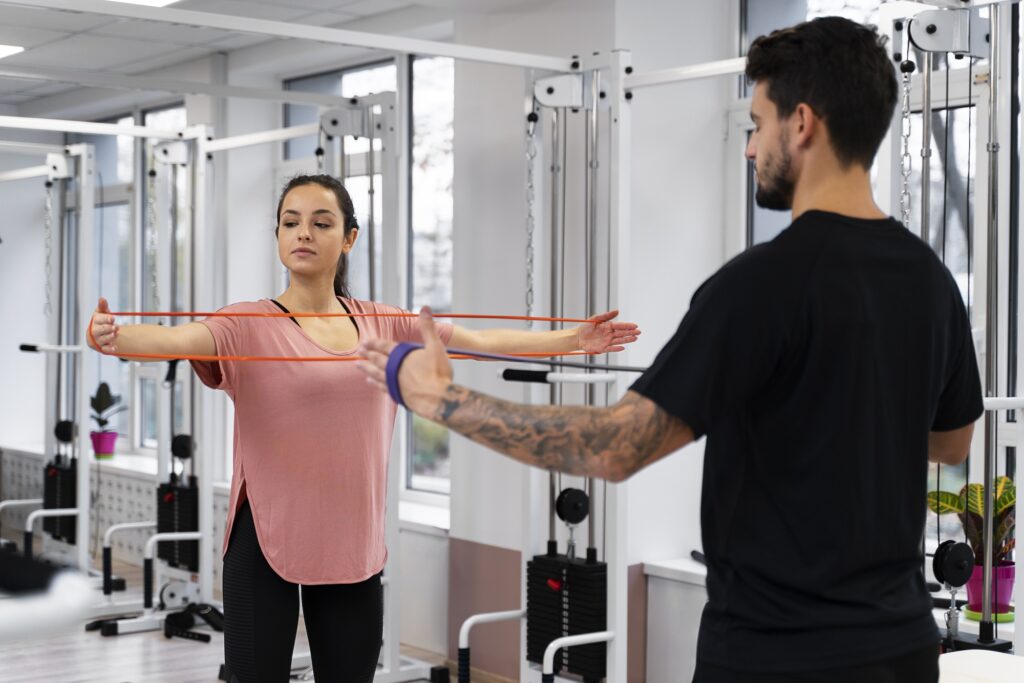
Understanding the Nervous System and Its Role in Performance The nervous system is the body’s command center, responsible for regulating everything from basic bodily functions to complex cognitive tasks. It consists of the central nervous system (CNS), which includes the brain and spinal cord, and the peripheral nervous system (PNS), which connects the CNS to the rest of the body. Together, these systems process information and coordinate responses throughout the body. Performance in sports, academics, and daily life largely depends on how efficiently the nervous system functions, playing a key role in overall body transformation. It controls muscle movement, reflexes, focus, and relaxation. Athletes rely on fast neural responses for coordination and agility, while students depend on the nervous system for concentration and memory. A well-trained nervous system can also improve overall quality of life by enhancing stress management, sleep, learning capacity, and adaptability. By understanding and optimizing nervous system function, individuals can improve both their physical and mental performance. How Stress Affects Your Nervous System Stress is a common part of modern life and has a significant impact on the nervous system, influencing overall body transformation. During stress, the body activates the fight-or-flight response, controlled by the sympathetic nervous system, preparing the body to respond to perceived threats. While this response is essential for survival, prolonged activation can harm nervous system function. Chronic stress keeps the nervous system in a constant state of alertness, leading to symptoms such as anxiety, fatigue, and reduced cognitive performance. Over time, it can disrupt neural networks, negatively affecting memory, focus, and emotional regulation. Recognizing the effects of stress and actively managing it through stress-reduction techniques is essential for protecting the nervous system, supporting long-term body transformation and maintaining optimal performance. Stress management is therefore a key component of effective nervous system training. Techniques for Nervous System Training Training your nervous system involves several techniques aimed at improving its efficiency and resilience. One effective method is neuroplastic exercises, which help strengthen brain connections and adaptability. Activities such as juggling, playing musical instruments, or solving puzzles challenge the brain and encourage continuous learning. Another important approach is proprioceptive training, which enhances the body’s awareness and control of movement. Exercises like balance training, yoga, and tai chi improve coordination and stability while also reducing the risk of injury by allowing quicker and more accurate responses to environmental changes. Biofeedback and neurofeedback are also valuable techniques for nervous system training. These methods use technology to monitor physiological signals such as brain activity or heart rate variability and provide real-time feedback. By learning to regulate these responses, individuals can improve stress control and overall nervous system performance. Mindfulness and Its Impact on Performance Mindfulness, the practice of being fully present in the moment, plays an important role in regulating the nervous system and enhancing performance. Incorporating mindfulness into daily routines can improve focus, reduce stress, and support emotional control, all of which are essential for efficient nervous system function. Mindfulness practices include meditation, deep breathing, and mindful movement. Meditation, in particular, has been shown to support brain health by improving cognitive functions such as memory, learning, and emotional regulation. Regular practice helps train the nervous system to stay balanced and attentive during challenging situations. Additionally, mindfulness enhances decision-making and problem-solving by increasing awareness of thoughts and emotions. This awareness allows individuals to respond thoughtfully rather than react impulsively, leading to better performance and mental clarity. Breathing Exercises for Nervous System Regulation Breathing exercises are a simple and effective method for regulating the nervous system. Focused breathing activates the parasympathetic nervous system, helping reduce stress and promote a relaxed yet alert state that supports better performance. Diaphragmatic breathing, also known as belly breathing, involves slow, deep breaths that allow the diaphragm to expand fully. This practice stimulates the vagus nerve, which plays a key role in nervous system regulation. With regular practice, diaphragmatic breathing can improve stress resilience, focus, and emotional control. Another useful technique is box breathing, which consists of inhaling, holding, exhaling, and holding again for equal counts of four. This method helps stabilize heart rate and calm the nervous system, making it effective for stress management and performance enhancement. The Role of Nutrition in Nervous System Health Nutrition plays an essential role in supporting nervous system health. The foods we consume provide the raw materials needed for neurotransmitters, which transmit signals throughout the nervous system. A balanced diet containing key nutrients helps maintain efficient nerve function and overall performance. Several nutrients are especially important for the nervous system. Omega-3 fatty acids, found in fish, flaxseeds, and walnuts, support nerve cell structure and neuroplasticity. B vitamins from whole grains, eggs, and leafy greens are necessary for energy production and neurotransmitter synthesis, while antioxidants in fruits and vegetables protect nerve cells from oxidative damage. Adequate hydration is also important, as dehydration can negatively affect cognitive function and increase fatigue. By maintaining a nutrient-rich and well-balanced diet, you can strengthen nervous system resilience and support long-term mental and physical performance. Creating a Personalized Nervous System Training Plan Creating a personalized nervous system training plan begins with understanding your goals, stress levels, and current activity habits. Aligning your training approach with these factors helps ensure more effective and sustainable results. Incorporate a mix of techniques such as mindfulness, breathing exercises, and movement practices into your routine. Explore different methods to identify what works best for you, gradually increasing intensity and duration. Consistency is essential, so aim to make nervous system training a regular part of your daily schedule. Regularly monitor your progress and adjust your plan based on how each practice affects your performance and well-being. A personalized and adaptable approach allows you to optimize results and maintain long-term nervous system health. Conclusion Training your nervous system is essential for enhancing both physical and cognitive performance. By understanding its role and incorporating techniques such as mindfulness, nutrition, and movement practices, you can strengthen nervous system function and resilience. Consistency and personalization are key. A tailored training plan that aligns
Lifting Heavy vs. Moving Well: What Matters More?

Understanding the Debate: Lifting Heavy vs. Moving Well In strength training, a common debate is whether to focus on lifting heavy weights or prioritizing movement quality. Proponents of lifting heavy emphasize building muscle strength, while advocates of moving well stress form, flexibility, and functional movement. Both approaches offer unique benefits. Lifting heavy can increase muscle mass and strength, while focusing on movement quality enhances agility, balance, and injury prevention. The key is to find a balance that aligns with your personal fitness goals and body transformation. By understanding the advantages and principles of each method, you can create a strength training plan that optimizes results and supports your individual objectives. The Importance of Proper Form in Strength Training Proper form is essential for effective strength training. It ensures that your body moves safely, minimizes the risk of injury, and maximizes the efficiency of each exercise. Prioritizing form engages the correct muscle groups, leading to better strength gains, improved functional movement, and long-term fitness benefits. In addition to enhancing performance, proper form supports posture, balance, and coordination, contributing to effective body transformation. For example, performing a squat or deadlift with correct alignment targets the intended muscles while reducing strain on joints, improving overall body control and stability. Developing proper form requires understanding the mechanics of each exercise, seeking guidance from fitness professionals when needed, and practicing consistently. By focusing on proper form, you create a strong foundation that promotes safe progress, optimal results, and long-term sustainability in your fitness journey. Benefits of Lifting Heavy Weights Lifting heavy weights offers several important benefits for strength training and body transformation. One of the primary advantages is increased muscle mass and strength. Heavier loads place greater tension on muscles, promoting hypertrophy and resulting in stronger, more powerful muscles that improve overall physical capabilities. Heavy lifting also supports a higher metabolic rate. As muscle mass grows, your body burns more calories at rest, which can help with weight management and fat loss over time. In addition, lifting heavy enhances bone density and joint strength. The stress on bones stimulates growth, reducing the risk of osteoporosis, while the increased load on joints strengthens supportive tissues, improving stability and resilience. Advantages of Focusing on Movement Quality Focusing on movement quality offers several important benefits in strength training. Prioritizing functional movement improves your body’s ability to handle everyday tasks efficiently and safely, from lifting objects to climbing stairs. This focus also plays a key role in injury prevention. Proper technique ensures that movements are biomechanically sound, reducing the risk of strains, sprains, and other injuries, and allowing you to train consistently without setbacks. Additionally, emphasizing movement quality enhances flexibility, mobility, balance, and coordination. These attributes not only support overall fitness but also improve athletic performance, making your training more effective, enjoyable, and sustainable over time. How to Balance Heavy Lifting and Proper Technique Finding the right balance between heavy lifting and proper technique is essential for maximizing strength training results. Integrating elements from both approaches allows you to benefit from each while maintaining safety. Implementing these strategies creates a balanced training regimen that enhances strength while minimizing injury risk. Tips for Incorporating Both Approaches into Your Routine Integrating heavy lifting and movement quality requires a thoughtful approach. Here are practical tips to achieve balance: Implementing these strategies creates a well-rounded training regimen that supports strength, technique, and long-term progress. Conclusion The key to strength training success lies in balancing lifting heavy and moving well. Integrating both approaches creates a comprehensive regimen that enhances strength, muscle mass, and functional movement while reducing injury risk. Stay focused on your personal goals and regularly evaluate your progress. By being consistent and adaptable, you can refine your training approach over time and achieve lasting improvements in both strength and movement quality.
How to Build a Diabetic-Friendly Plate Without Counting Calories

Understanding the Diabetic-Friendly Plate Managing diabetes involves much more than simply checking your blood sugar levels. It requires understanding how different foods influence your body and creating a balanced eating pattern that supports stable glucose control. A diabetic-friendly plate helps achieve this by focusing on food quality, variety, and appropriate portion sizes rather than only counting calories. This approach encourages you to choose nutrient-dense foods and limit items that may cause sudden spikes in blood sugar. By dividing your plate into balanced portions of carbohydrates, proteins, and healthy fats, you can enjoy satisfying meals while keeping your glucose levels in check. This method also makes it easier to plan meals without constant stress or complicated calculations. Over time, adopting a diabetic-friendly plate can improve energy levels, support weight management, and even contribute to your body transformation. It provides a clear, sustainable framework for making daily food choices that align with long-term diabetes management goals. Key Components of a Diabetic-Friendly Plate Creating a diabetic-friendly plate involves understanding key food groups that support balanced nutrition. The American Diabetes Association’s “Plate Method” divides your plate into three parts: half with non-starchy vegetables, one-quarter with lean proteins, and one-quarter with whole grains or starchy vegetables. This simple method ensures a balanced intake of essential nutrients. Lean Proteins: One-quarter of your plate should consist of lean proteins such as chicken, fish, tofu, or legumes. Proteins are vital for maintaining muscle mass and providing a feeling of fullness, which can help in controlling overall food intake and supporting your body transformation. Non-Starchy Vegetables: These should make up half of your plate and include options like leafy greens, broccoli, and bell peppers. These vegetables are low in calories and carbohydrates but rich in fiber, vitamins, and minerals, making them ideal for managing blood sugar levels. Whole Grains or Starchy Vegetables: The remaining quarter is for foods like brown rice, quinoa, or sweet potatoes. These provide slowly digested carbohydrates that help prevent rapid blood sugar spikes. Including small amounts of healthy fats—such as avocados, nuts, or olive oil—can enhance flavor and offer additional health benefits. Following these guidelines helps you build meals that are satisfying and supportive of diabetes management. Following these guidelines helps you build meals that are satisfying, supportive of diabetes management, and beneficial for your body transformation. Portion Control Without Counting Calories: Portion control is an important part of managing diabetes and can be done effectively without counting calories. Understanding and visualizing appropriate portion sizes allows you to enjoy a variety of foods while maintaining good blood sugar control. The Plate Method is a simple and reliable way to guide portion sizes. Visualizing Portions: Using visual cues can make portion control easier. For example, a serving of protein should be roughly the size of a deck of cards, while a serving of whole grains can be compared to the size of a computer mouse. Non-starchy vegetables can take up half the plate since they are low in calories and high in nutrients. Mindful Eating: Practicing mindful eating can also aid in portion control. This involves paying full attention to the food you are eating, savoring each bite, and recognizing your body’s hunger and fullness signals. Eating slowly and without distractions allows you to enjoy your meals and prevents overeating. Using Smaller Plates: Choosing smaller plates is another practical way to naturally limit portions. This simple psychological technique helps you feel satisfied with less food and supports healthy weight and blood sugar levels. By applying these strategies, you can manage portions easily without the stress of calorie counting, making diabetes management more flexible and sustainable. Foods to Avoid for Better Blood Sugar Control Knowing which foods to avoid is just as important as choosing the right ones, as certain foods can cause rapid spikes in blood sugar. Limiting these items helps maintain better glucose control. Sugary Beverages: Beverages like soda, sweetened teas, and fruit juices contain high amounts of sugar and can lead to quick blood sugar spikes. Opt for water, herbal teas, or sugar-free drinks to quench your thirst without compromising your health. Refined Carbohydrates: Refined carbohydrates, such as white bread, pastries, and pasta, are stripped of their fiber and nutrients, causing rapid increases in blood sugar. Instead, choose whole grain alternatives that provide more fiber and nutrients. Trans Fats: Found in processed snacks, baked goods, and fried foods, trans fats not only affect blood sugar levels but also increase the risk of heart disease. Avoid these unhealthy fats and choose healthier options like nuts or seeds for snacks. High-Sugar Desserts: Desserts high in sugar, such as candies, cakes, and ice cream, can be particularly challenging for diabetics. If you crave something sweet, opt for healthier alternatives like fruit or desserts made with sugar substitutes. By being mindful of these food choices, you can better manage your blood sugar levels and reduce the risk of diabetes-related complications. Sample Diabetic-Friendly Plate Ideas Creating a variety of diabetic-friendly meals keeps your diet interesting and satisfying. Here are some sample plate ideas to inspire you: Breakfast: Lunch: Dinner: Snacks: These meal ideas emphasize variety and balance, making it easier to stick to a diabetic-friendly diet without feeling deprived. Meal Prep Tips for Diabetic-Friendly Eating Meal prepping can be a game-changer for maintaining a healthy diabetic-friendly diet. By planning and preparing your meals in advance, you can ensure that nutritious options are always available, making it easier to stick to your goals. Plan Your Meals: Start by creating a weekly meal plan that includes a variety of foods from each food group. Consider your schedule and choose meals that can be easily prepared and stored. This reduces the temptation to opt for unhealthy options when you’re short on time. Batch Cooking: Prepare larger quantities of staple foods like grains, proteins, and roasted vegetables that can be used in multiple meals throughout the week. This saves time and ensures you always have healthy components ready to assemble into a meal. Portion and Store: Divide your prepared foods into individual
The Importance of Warm-Up and Cool-Down: What Most People Skip

Understanding the Importance of Warm-Up and Cool-Down Incorporating warm-up and cool-down phases into your workout routine is essential. These preparatory and concluding segments ensure that your body transitions smoothly into and out of physical activity. Skipping them can reduce workout effectiveness and increase the risk of injury. Warm-ups gradually increase heart rate and blood flow, loosen joints, and prepare muscles for strenuous activity an essential step in any effective body transformation. Cool-downs help lower heart rate and return the body to a resting state, preventing dizziness and other complications. By prioritizing these stages, you safeguard your body against injuries and enhance performance. This article will explore the science, benefits, techniques, and myths surrounding warm-up and cool-down to highlight their crucial role in fitness. Benefits of Warming Up Before Exercise Warming up before exercise offers numerous benefits that extend beyond the immediate workout. It prepares your cardiovascular system for the increased workload by gradually boosting heart rate and circulation, which reduces the risk of cardiovascular strain and helps your body handle the demands of exercise and body transformation more effectively. A proper warm-up also enhances mental readiness and focus. Engaging in a consistent warm-up routine helps you transition mentally from a state of rest to a state of alertness and engagement. This mental shift improves concentration and coordination, which are essential for performing exercises with proper form and technique. Additionally, warming up helps prevent injuries by loosening muscles and joints, making them more pliable and less prone to strains and sprains. This preventive measure not only protects you during workout but also ensures you can exercise consistently without interruptions due to injuries, an essential factor in achieving a successful body transformation. Common Warm-Up Techniques and Exercises Different exercises require different warm-up techniques, but some foundational elements are universally beneficial. Dynamic stretches involve active movements that warm up muscles and increase range of motion. Examples include arm circles, leg swings, and torso twists, which can target specific muscles relevant to your workout. Cardiovascular exercises such as jogging or cycling at low intensity for five to ten minutes are also effective. They gradually raise heart rate and activate muscles, preparing the body for more intense activity. Incorporating sport-specific drills can further enhance your warm-up. For example, if preparing for a basketball game, include dribbling and shooting drills. These warm up relevant muscles and help refine skills and technique. Benefits of Cooling Down After Exercise Cooling down after exercise is essential for aiding recovery and maintaining performance. One primary benefit is the gradual reduction of heart rate and blood pressure, which helps prevent dizziness or fainting that can occur if exercise stops abruptly. Cooling down also supports recovery by facilitating the removal of waste products like lactic acid from muscles, reducing stiffness and soreness. This can lead to quicker recovery times, allowing you to maintain a consistent exercise routine. Additionally, cooling down provides a moment for mental relaxation, helping you transition from a high-energy state to a more relaxed one. This wind-down period can reduce stress, improve focus, and allow you to reflect on your workout and progress. Effective Cool-Down Strategies and Practices A well-structured cool-down routine should last five to ten minutes and include activities that gradually decrease in intensity. Start with light aerobic exercises such as walking or slow jogging to help your heart rate decline steadily. This allows your circulatory system to adjust and prevents blood from pooling in your veins. Static stretching is another important component. Focus on major muscle groups used during your workout, holding each stretch for 15–30 seconds. This aids recovery and helps maintain flexibility over time. Incorporating breathing exercises can further enhance your cool-down. Deep breathing slows the heart rate and promotes relaxation, facilitating a smooth transition to a resting state. Techniques such as diaphragmatic breathing or progressive muscle relaxation are particularly effective. How Skipping Warm-Up and Cool-Down Affects Your Body Neglecting to warm up or cool down can have several adverse effects. Without a proper warm-up, muscles remain cold and tight, increasing the risk of strains, sprains, and other injuries. It can also reduce performance, as the body is not fully prepared for exercise. Skipping the cool-down can lead to prolonged muscle soreness and stiffness due to lactic acid accumulation. It may also cause blood pooling, resulting in dizziness or fainting. These effects can impede recovery and reduce the ability to exercise consistently. Consistently omitting warm-up and cool-down can have long-term consequences, including chronic injuries and cardiovascular issues. Prioritizing these steps helps maintain a healthy, active body and supports sustained fitness progress. Incorporating Warm-Up and Cool-Down into Your Routine To make warm-up and cool-down a regular part of your exercise, schedule them just like your main workout. Allocate specific times and treat them as essential components of your fitness regimen to consistently prioritize your health and safety. Customizing your warm-up and cool-down to fit your specific exercise needs can enhance their effectiveness. For example, a yoga session may require different exercises than high-intensity interval training. Consistency is key. Regularly incorporating these practices improves flexibility, performance, and overall well-being, reinforcing their importance in your fitness journey. Conclusion Incorporating warm-up and cool-down into your exercise routine is not just a recommendation; it’s a cornerstone of effective fitness practice. These essential steps prepare your body for physical activity, enhance performance, and facilitate recovery. As you continue on your fitness journey, make warm-up and cool-down non-negotiable parts of your routine. Remember, your fitness journey is a marathon, not a sprint, and taking the time to care for your body with these practices will pay off in the long run.