How Regular Physiotherapy Can Prevent Long-Term Disability

Understanding Mobility and Disability Mobility is a fundamental aspect of daily life, allowing you to perform necessary tasks and engage in activities that bring joy and fulfillment. When mobility is compromised, it can significantly affect your quality of life, leading to frustration and a sense of dependency. Disability can be defined as a physical or mental condition that limits a person’s movements, senses, or activities. Long-term disability can arise from various causes, such as chronic diseases, acute injuries, or congenital conditions. Many individuals with disabilities continue to lead active, fulfilling lives with the right support and interventions, and a focus on achievable body transformation goals tailored to their abilities. The interplay between mobility and disability highlights the importance of proactive measures. By understanding the potential risks and factors leading to reduced mobility, you can take steps to mitigate these risks, ensuring that you maintain your independence and ability to engage fully in life. Common Causes of Long-Term Disability Long-term disability can arise from a myriad of sources, each presenting unique challenges. Some common causes include: By recognizing these common causes, you can take proactive steps to manage your health. Regular check-ups and a healthy lifestyle can help prevent long-term disability. How Regular Physiotherapy Can Prevent Disability and Enhance Mobility Regular physiotherapy sessions are essential in preventing the progression of mobility issues into long-term disabilities. By focusing on strengthening, body transformation, flexibility, and balance exercises, physiotherapy helps maintain the integrity of muscles and joints. This proactive approach improves coordination, reducing the risk of falls particularly critical for older adults, as falls are a leading cause of disability. Physiotherapy also addresses the importance of posture and ergonomic practices. Poor posture can lead to chronic pain and musculoskeletal issues, which, if left uncorrected, may result in long-term disability. Physiotherapists provide personalized guidance on maintaining proper posture and modifying daily activities to prevent strain and injury. Moreover, physiotherapy employs various techniques to enhance mobility, including: Manual Therapy: Involves mobilization and manipulation of muscles and joints to reduce pain and restore movement. Exercise Therapy: Tailored programs designed to improve strength, flexibility, and endurance, which are crucial for maintaining independence and preventing deterioration. Electrotherapy: Modalities such as ultrasound, TENS, and electrical stimulation are used to promote healing, reduce pain, and enhance muscle strength. By integrating these physiotherapy techniques into your routine, you can significantly enhance your mobility and prevent the development of long-term disability. The Importance of Early Intervention Early intervention in physiotherapy is paramount in preventing long-term disability. The sooner you address mobility issues, the more effective the treatment will be. Early intervention allows for a focused approach to managing symptoms and preventing the progression of conditions that could lead to disability. By starting rehabilitation early, you can minimize the impact of the injury and regain function more quickly. This proactive approach not only improves outcomes but also enhances your overall quality of life. This proactive approach increases motivation and treatment adherence, maximizing the benefits of physiotherapy. Creating a Personalized Physiotherapy Plan Creating a personalized physiotherapy plan is essential for achieving optimal outcomes. A tailored approach considers your unique health status, goals, and lifestyle, ensuring that the interventions are both effective and sustainable. By following a personalized plan, you enhance your recovery and prevention, improving your quality of life and reducing the risk of long-term disability. Finding the Right Physiotherapist for Your Needs Consider the following factors when choosing a physiotherapist: Conclusion Embracing mobility through regular physiotherapy is a powerful strategy for improving quality of life and preventing long-term disability. By understanding the role of physiotherapy, you can take proactive steps to protect your health. Whether managing a chronic condition, recovering from an injury, or enhancing overall well-being, physiotherapy offers valuable tools to achieve your goals. With the right support and interventions, you can unlock your mobility and embrace a life of independence. Take the first step today by reaching out to a qualified physiotherapist and exploring the possibilities that await you.
Training Over 40: What You Need to Know About Aging & Fitness
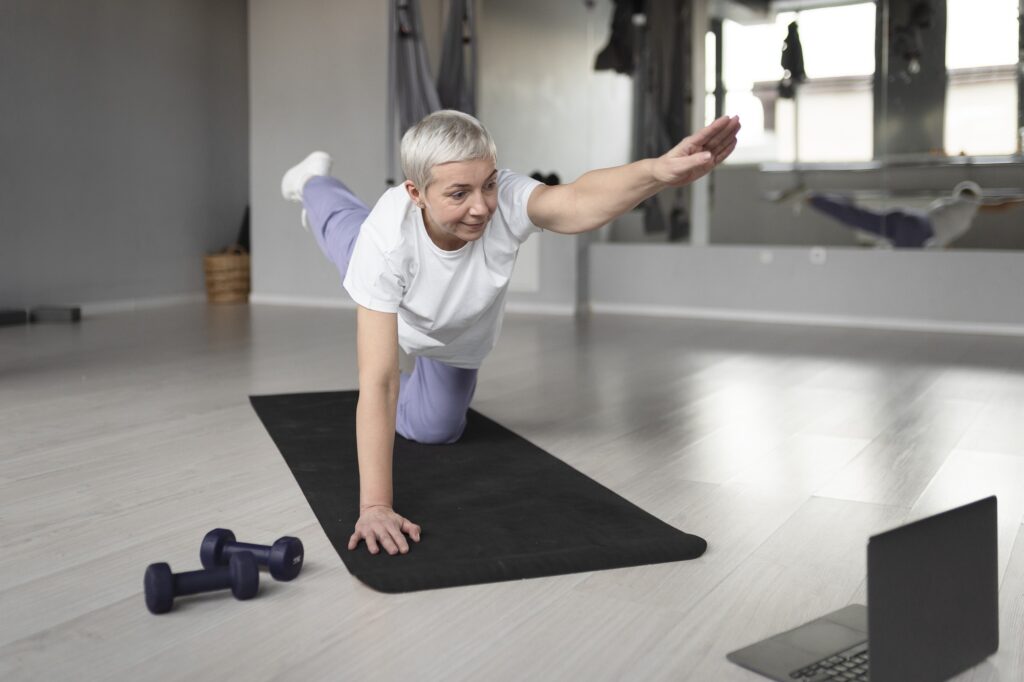
Reaching your 40s can feel like a crossroads when it comes to fitness. Your body doesn’t bounce back like it used to, recovery takes longer, and new aches seem to appear out of nowhere. But here’s the good news: getting older doesn’t mean giving up on performance or physique—it just means training smarter, not harder. Whether you’re starting fresh or adjusting your long-standing routine, understanding how aging affects your body is the key to unlocking results without injury or burnout. Here’s what you need to know. 1. Your Body Changes—But that’s Not a Bad Thing After 40, most people experience a natural decline in muscle mass, flexibility, hormone levels, and bone density. This is known as sarcopenia, and it can begin as early as your 30s, with muscle mass decreasing by about 1% per year if left unchecked. But this doesn’t mean you’re doomed to get weaker or softer. Resistance training, mobility work, body transformation and proper nutrition can slow or even reverse many of these effects. The key? Consistency and intentionality. 2. Prioritize Strength Training Strength training is non-negotiable after 40. It helps preserve muscle mass, increases metabolism, improves joint health, and supports better posture and balance. Focus on compound movements (like squats, deadlifts, presses, and rows) and incorporate both bodyweight and resistance exercises. You don’t need to lift heavy to make progress; moderate weight with proper form and volume is often more effective—and safer—for long-term gains. Start with 2–4 strength sessions per week for body transformation, depending on your fitness level and schedule. And don’t be afraid to get a coach or trainer to help fine-tune your form. 3. Recovery Is a Superpower You can’t out-train poor recovery, especially after 40. As you age, your body’s ability to repair itself slows down. That means sleep, mobility work, hydration, and stress management become just as important as your workouts. 4. Nutrition Needs Shift Your metabolism gradually slows as you age, which can lead to weight gain if calorie intake isn’t adjusted. But it’s not just about eating less—it’s about eating better. 5. Mindset Matters More Than Ever Staying fit over 40 is as much a mental game as a physical one. It’s easy to get frustrated when progress seems slower, or you can’t push as hard as you once did. But this is a perfect time to shift your focus toward longevity rather than intensity. Training now isn’t just about looking good—it’s about staying functional, pain-free, and active for decades to come. Celebrate the wins, stay patient with setbacks, and stay curious about your body’s capabilities. 6. Listen to Your Body (But Don’t Baby It) There’s a fine line between pushing through discomfort and knowing when to rest. After 40, you need to tune into your body’s signals more closely. Soreness is normal; sharp pain is not. Fatigue is normal; chronic fatigue syndrome is not. But don’t use age as an excuse to go soft. Your body is capable of far more than you think—it just needs the right stimulus and proper care. Final Thoughts Fitness after 40 isn’t about limitations—it’s about opportunity. It’s your chance to build a strong, resilient, and balanced body that supports you through every chapter of life. With a smart approach to training, recovery, and nutrition, you can continue to gain strength, energy, and vitality well into your 50s, 60s, and beyond. Don’t think of aging as a decline—think of it as an evolution. You’ve got wisdom, experience, and grit on your side. Now it’s just about putting it all to work.
Strength Training vs. Cardio: Which is Better for Diabetes Reversal?
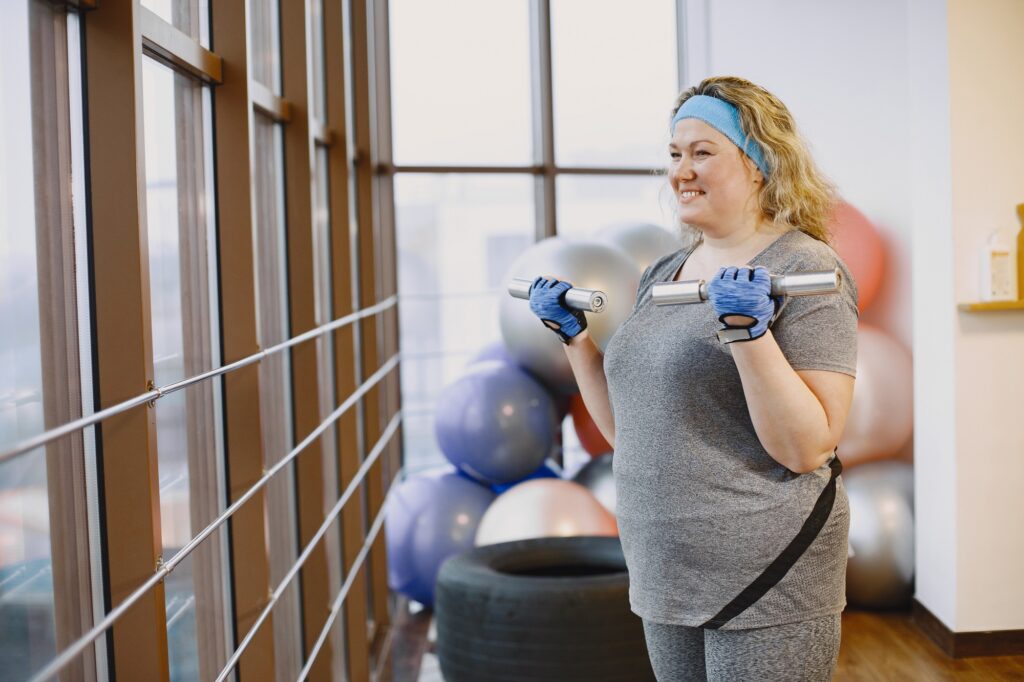
When it comes to managing or potentially reversing type 2 diabetes, exercise is a key player. But if you’re choosing between hitting the treadmill or picking up the dumbbells, which is the better bet? The debate between strength training and cardio isn’t just about preferences — it’s about results. Let’s dive into the science, benefits, and real-world impacts of both to help you decide which exercise approach might best support your diabetes journey. Understanding Diabetes Reversal Type 2 diabetes is characterized by insulin resistance, where the body’s cells no longer respond effectively to insulin. Over time, this can lead to elevated blood sugar levels and a host of complications. Reversal doesn’t mean a permanent cure, but it does mean reducing blood sugar levels to a non-diabetic range without medication. Lifestyle changes especially diet, exercise and body transformation play a crucial role in this process. Exercise enhances insulin sensitivity, improves blood sugar control, and supports weight loss, all of which are critical for diabetes management and potential reversal. Cardio: The Classic Go-To Cardiovascular exercises — think brisk walking, jogging, cycling, or swimming — are often the first recommendation for people with type 2 diabetes. Here’s why: Studies show that moderate-intensity cardio for at least 150 minutes a week can significantly improve glycemic control and reduce A1C levels — a key diabetes marker. Strength Training: The Underrated Contender Strength or resistance training involves working your muscles against a force — like weights, resistance bands, or your own body weight. While often overlooked in diabetes plans, strength training deserves attention: Research from the American Diabetes Association shows that strength training just 2-3 times per week can significantly reduce A1C and improve glucose uptake in cells. Head-to-Head: Which Is Better? The short answer? Both have their place — and combining them yields the best results. But if you’re forced to choose based on specific goals, here’s a breakdown: A 2014 study in Diabetologia found that combining aerobic and resistance training was more effective for managing blood sugar than either alone. Another study in the Journal of Applied Physiology confirmed that the duo improves both fat loss and insulin sensitivity significantly more than cardio-only routines. What the Experts Recommend? The American College of Sports Medicine and the American Diabetes Association suggest a mix: Getting Started If you’re new to exercise or dealing with complications from diabetes, talk to your doctor before beginning any routine. Start slow, be consistent, and consider working with a trainer familiar with diabetes-friendly programs. Beginner-friendly cardio options: Beginner-friendly strength exercises: Final Thoughts If you’re serious about reversing type 2 diabetes, don’t pit cardio and strength training against each other. They work better as a team. Cardio helps you quickly manage blood sugar and improve heart health, while strength training lays the groundwork for lasting metabolic change. So lace up your sneakers and grab those weights — your healthiest life may just be a well-rounded workout away.
Functional Fitness vs. Traditional Workouts: Which One is better?
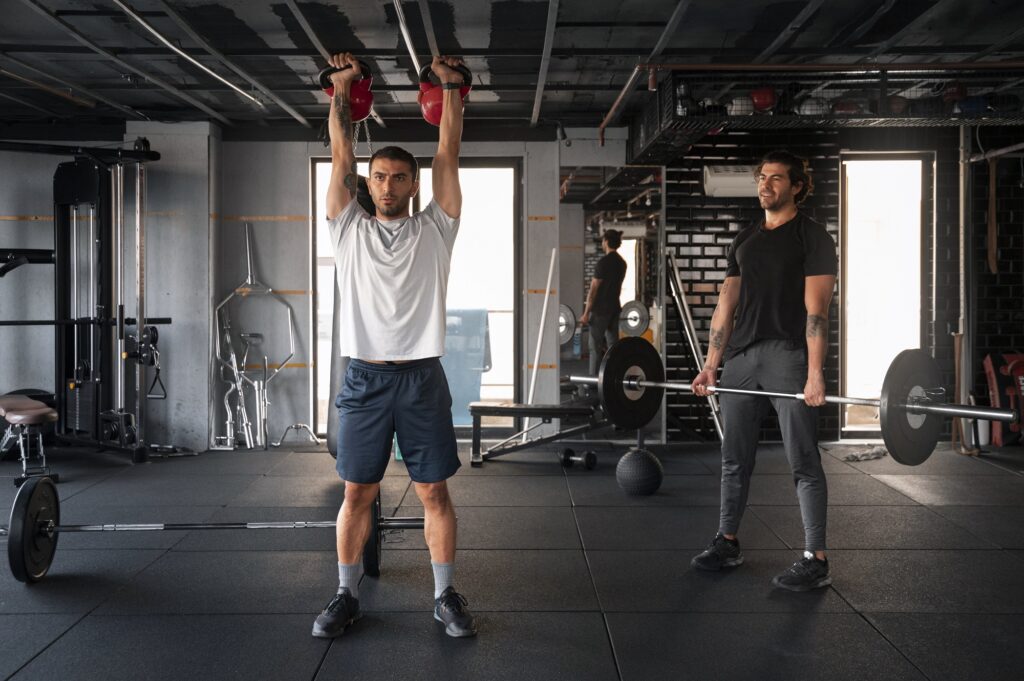
In the world of fitness, the debate between functional fitness and traditional workouts has been gaining attention in recent years. Both approaches aim to improve physical health, strength, and endurance, but they take distinct paths. If you’re considering which style of exercise to incorporate into your routine, understanding the differences, benefits, and potential drawbacks of each can help you make an informed choice. Let’s take a closer look at functional fitness and traditional workouts to see which one might be better suited for your goals. What is Functional Fitness? Functional fitness is a form of exercise designed to improve your ability to perform everyday activities. The exercises typically mimic movements you do in daily life—lifting groceries, carrying children, climbing stairs, or picking up a heavy object. Functional fitness training focuses on the use of multiple muscle groups simultaneously and emphasizes movement patterns like squatting, bending, pushing, pulling, and rotating essential for body transformation. Common examples of functional exercises include kettlebell swings, squats, lunges, deadlifts, and push-ups. These movements are often performed with free weights, resistance bands, or body weight, and many functional fitness workouts involve multi-planar exercises that require balance, coordination, and agility. What is Traditional Fitness? Traditional fitness, on the other hand, tends to focus on individual muscle groups or specific body transformation fitness goals like building muscle mass, increasing cardiovascular endurance, or improving flexibility. Traditional workouts often include exercises such as bicep curls, bench presses, leg presses, and treadmill running, which may target isolated muscle groups. These exercises are typically performed with the use of machines or free weights in a controlled, linear motion. Traditional workouts are often designed around specific fitness objectives, such as bodybuilding, weight loss, or improving cardiovascular health. Many people follow traditional workout routines in gyms where they adhere to a structured plan with sets, repetitions, and rest intervals. Benefits of Functional Fitness 1. Real-World Applicability: One of the most significant advantages of functional fitness is its focus on exercises that improve body transformation and your ability to perform everyday tasks. Whether you’re lifting boxes or bending down to tie your shoes, functional fitness can help reduce the risk of injury by teaching your body to move in ways that mimic real-world actions. 2. Increased Stability and Balance: Because functional exercises engage multiple muscle groups at once and often involve dynamic movements, they can improve overall stability and balance. This is especially beneficial for older adults or anyone looking to improve their overall mobility and prevent falls. 3. Improved Core Strength: Functional fitness workouts tend to activate the core muscles throughout each movement. Whether you’re squatting, lunging, or pushing, you’ll likely engage your core for stabilization, leading to greater core strength. 4. Variety and Fun: Functional fitness workouts often include a variety of movements and exercises, which can keep things interesting. Many workouts incorporate equipment like kettlebells, dumbbells, medicine balls, and even ropes, making them diverse and engaging. 5. Efficiency: Since functional fitness targets multiple muscle groups at once, it can provide a full-body workout in a short amount of time. This makes it an efficient option for those with busy schedules. Benefits of Traditional Fitness 1. Specific Muscle Building: Traditional workouts can be highly effective for individuals aiming to target specific muscles or achieve particular fitness goals like hypertrophy (muscle growth) or strength gains. Exercises like squats, deadlifts, and bench presses allow individuals to isolate specific muscles and progressively overload them for optimal growth. 2. Cardiovascular Health: For those primarily focused on cardiovascular health, traditional exercises like running, cycling, or swimming provide clear benefits. You can structure traditional workouts to include high-intensity interval training (HIIT) or long-duration cardio to improve heart health and stamina. 3. Measurable Progress: Traditional workouts often focus on measurable benchmarks such as lifting more weight, running longer distances, or completing more repetitions. This structured approach allows you to track progress clearly, which can be motivating for many. 4. Flexibility and Accessibility: Traditional fitness routines are often simpler to follow and can be performed in gyms, at home, or outdoors. Whether you’re following a pre-designed workout plan or creating your own, it’s easy to tailor a traditional workout to your fitness level and goals. 5. Better for Beginners: For someone new to exercise, traditional workouts can be more straightforward to begin with, especially if using machines that help guide your movements. This can be less intimidating than starting with free weights or complex multi-movement exercises. Which is better for you? The choice between functional fitness and traditional workouts ultimately depends on your goals and preferences. The Best of Both Worlds Ultimately, many fitness enthusiasts find that incorporating both functional fitness and traditional workouts into their routine provides the best-rounded results. For instance, you might focus on traditional weightlifting to build muscle and strength, while also including functional exercises like kettlebell swings and lunges to improve mobility and core strength. A balanced approach ensures you develop both the strength needed for specific tasks and the functional capabilities for day-to-day activities. Conclusion Whether functional fitness or traditional workouts are better depends on your personal fitness goals. Each approach has unique benefits that cater to different needs and preferences. For a comprehensive fitness journey, a combination of both may offer the best of both worlds. The key is to choose the workout style that keeps you motivated, supports your goals, and improves your overall well-being.
Why Core Strength Matters More Than Six-Pack Abs

When we think about fitness, the first image that often comes to mind is a sculpted body with well-defined six-pack abs. Many people associate a visible six-pack with a strong core, but this common misconception overlooks the true importance of core strength. While achieving six-pack abs is a common fitness goal, it’s essential to understand that a strong core encompasses far more than just visible abdominal muscles. Core strength is the foundation of overall health and athletic performance, and it plays a vital role in your posture, injury prevention, and daily movements. In this article, we’ll explore why core strength matters more than just six-pack abs. What Is Core Strength? The term “core” refers to the muscles that surround your torso, including the abdominals, lower back, obliques (the muscles on the sides of your abdomen), and even your glutes. These muscles work together to stabilize your spine, pelvis, and ribcage, allowing you to move efficiently and safely. A strong core means these muscles can function as a unit, providing support for nearly every physical activity and body transformation you do—whether it’s lifting heavy objects, running, or even sitting at your desk. The Difference between Core Strength and Six-Pack Abs While a six-pack is a sign of well-defined abdominal muscles, it doesn’t necessarily indicate strong core strength. In fact, it’s possible to have visible abs but still suffer from poor core stability. Core strength is more about endurance and functionality than aesthetics. It involves the ability to maintain proper posture, perform daily tasks without pain or strain, and engage in athletic movements with stability and control. Having six-pack abs generally requires low body fat, which is achieved through a combination of diet and body transformation exercise. However, achieving a six-pack does not guarantee that you have the strength or functionality in your core that’s necessary for overall well-being. On the other hand, a strong core can be built through a range of exercises designed to improve stability, balance, and coordination—not just through crunches and sit-ups. The Importance of Core Strength Injury Prevention: One of the primary benefits of core strength is injury prevention. A weak core can lead to poor posture and improper movement patterns, which in turn put strain on the spine and surrounding muscles. This can lead to back pain, muscle strains, and even joint injuries. A strong core helps distribute the load of everyday activities, reducing the risk of injury when lifting objects, running, or performing physical tasks. When your core is engaged, it stabilizes the spine, keeping it in a neutral position and preventing unnecessary stress on your body. Improved Posture: A strong core is the foundation of good posture. Without core stability, it’s easy to fall into slouching habits or develop imbalances that affect your alignment. Poor posture not only affects your appearance but can also cause discomfort and strain on your muscles, ligaments, and joints. When your core is strong, your spine remains supported, reducing the likelihood of developing poor posture, back pain, or musculoskeletal imbalances. This is particularly important for people who spend long hours sitting at desks or working at computers. Better Athletic Performance: Whether you’re an athlete or someone who enjoys recreational sports, and body transformation, having a strong core is essential for peak performance. Core muscles are responsible for transmitting force between your upper and lower body during movements such as running, jumping, throwing, and cycling. A stable core allows you to move more efficiently, with better coordination and less wasted energy. It also reduces the risk of muscle fatigue and enhances agility, speed, and power, all of which are important for improving your overall athletic ability. Functional Fitness: Core strength isn’t just about performing well in the gym or on the field—it’s about performing well in life. Everyday movements like bending over to tie your shoes, picking up groceries, or carrying a child all require core stability. If your core is weak, you may struggle with these simple tasks, leading to strain or discomfort. By strengthening your core, you improve your functional fitness, making daily activities easier and less taxing on your body. Core exercises such as planks, bird dogs, and Russian twists enhance stability and mobility, making it easier to move through your day with ease. How to Build Core Strength? Building a strong core requires more than just doing ab exercises. Incorporating a variety of exercises that target all aspects of your core—including the front, sides, and lower back—is crucial for overall strength. Some of the most effective exercises for building core strength include: Additionally, strength training that engage multiple muscle groups, such as squats and deadlifts, can also enhance your core strength as they require stability and control. Conclusion While six-pack abs may look impressive, they don’t tell the whole story when it comes to core strength. True core strength is about building a stable, functional, and resilient body that can handle the physical demands of life. A strong core not only helps with injury prevention and posture but also improves athletic performance and functional fitness. So, instead of obsessing over getting the perfect six-pack, focus on building a strong and functional core that will benefit you in every aspect of your life.
Overhydration Risks: Drinking Too Much Water During Exercise
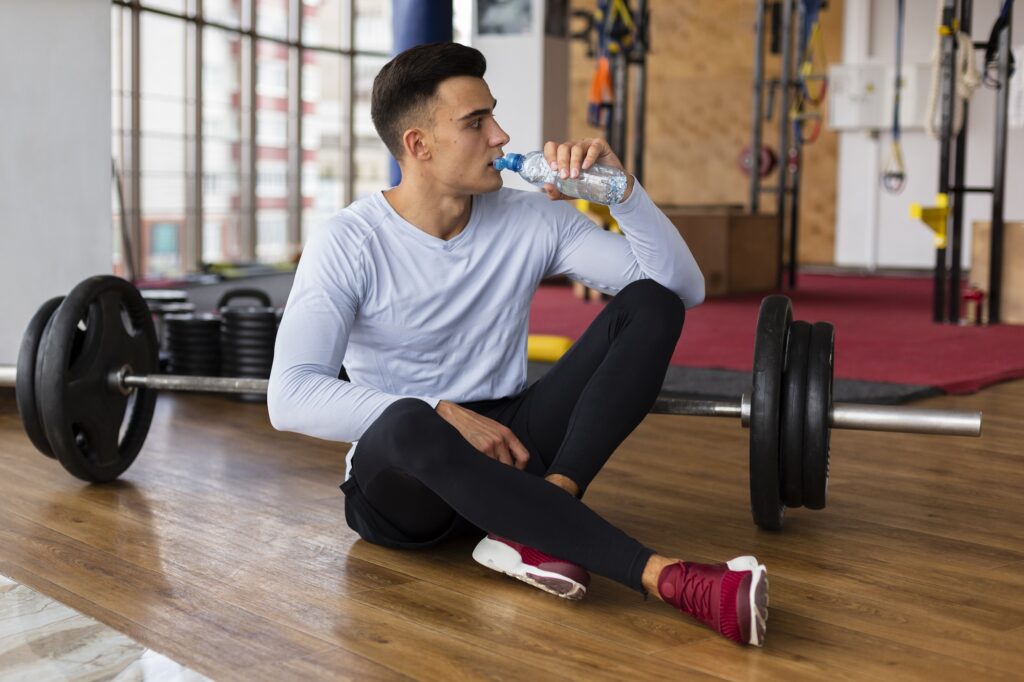
We’ve all heard that staying hydrated is crucial for maintaining peak performance during exercise. And indeed, drinking water helps regulate body temperature, keeps joints lubricated, and prevents fatigue. But just like anything in life, moderation is key. While it’s important to drink enough water, it’s equally important to avoid the risks associated with drinking too much—a condition known as overhydration. In this article, we’ll take a closer look at overhydration during exercise, how to spot it, and the hidden dangers that can arise from drinking excessive amounts of water. The Balance between Dehydration and Overhydration When we think of hydration problems, dehydration usually comes to mind. It’s the condition where the body doesn’t have enough water to perform essential functions, leading to symptoms like dry mouth, dizziness, fatigue, and muscle cramps during body transformation. Most people know to avoid this by drinking water regularly throughout their workout. However, overhydration is equally concerning but far less discussed. Overhydration, or water intoxication, occurs when you drink so much water that it dilutes the concentration of sodium in your bloodstream to dangerously low levels, a condition known as hyponatremia. This can lead to swelling of the cells, including those in the brain, which can cause serious complications, even death. Why Does Overhydration Happen During Exercise? Overhydration during exercise and body transformation typically happens when individuals drink water beyond their body’s needs. Many people, especially during long workouts or endurance activities like marathons or triathlons, tend to drink large quantities of water in an attempt to prevent dehydration. This is often driven by the belief that more water equals better performance or safety. However, exercise increases the loss of both water and sodium through sweat. If you drink too much water without replacing electrolytes (particularly sodium), the balance between water and sodium in your body gets thrown off. This can lead to the dangerous condition of hyponatremia. The Symptoms of Overhydration The signs of overhydration can be subtle at first, making it challenging to identify early on. Symptoms may include: – Nausea and vomiting: The body’s attempt to get rid of excess water. – Headaches: The swelling of brain cells causes pressure, resulting in headaches. – Swelling: Especially in the hands, feet, or ankles, due to fluid retention. – Confusion and disorientation: Severe cases can impair mental clarity. – Muscle cramps: Sodium imbalance disrupts muscle function, causing cramps or spasms. – Severe cases can lead to seizures, coma, or even death. It’s easy to confuse these symptoms with regular fatigue or dehydration, which is why being aware of your hydration habits is crucial, particularly during intense exercise and body transformation. Who Is At Risk? Some individuals are more at risk of overhydration than others. Here are a few key factors: – Endurance athletes: Long-distance runners, cyclists, and participants in ultra-endurance events are often at higher risk because they might drink excessive amounts of water to stay hydrated over many hours. – People who sweat heavily: If you’re someone who sweats a lot during exercise, it’s easy to think you need more water than your body truly requires. – Hot and humid environments: Exercise in extreme heat or humidity increases anhidrosis or sweat loss, which might prompt you to drink more water to compensate. If not done properly, this can lead to overhydration. – Individuals with underlying health conditions: Those with kidney problems or other health issues might struggle to regulate fluid intake and output effectively. How Much Water Should You Really Be Drinking? So, how do you find the right balance? The key to hydration is listening to your body. There’s no universal amount of water that applies to everyone, as it depends on several factors, including your body size, exercise intensity, duration, and environmental conditions. Staying properly hydrated can also support overall skin health and complement acne treatment, helping to flush out toxins and keep your complexion clearer. However, some general guidelines can help you stay safe: – Drink when you’re thirsty: Your body has an excellent built-in system for hydration. Thirst is a good indicator that you need water. You don’t need to force yourself to drink excessive amounts. – Don’t drink too quickly: Sipping water regularly is far more effective than drinking large amounts all at once. Drinking too fast can overload the kidneys and lead to water retention. – Monitor your urine color: Clear urine usually indicates adequate hydration, while dark yellow or amber suggests you need more water. If your urine becomes clear but you’re also experiencing bloating or feeling sluggish, you may be drinking too much. – Consider electrolytes: For long endurance events, consider drinking sports drinks or electrolyte solutions that help replace lost sodium, potassium, and other minerals. This will help maintain balance and avoid dilution of sodium levels. Conclusion While staying hydrated is essential for performance, it’s just as important not to go overboard. Overhydration is a hidden danger that can derail your health, just as dehydration can. The key is finding a balance that works for your body and the intensity of your workout. If you’re engaging in moderate exercise, simply drinking when thirsty and maintaining a healthy hydration routine is usually sufficient. For more intense workouts, endurance training, or hot conditions, monitor your water intake carefully, replace lost electrolytes when needed, and avoid drinking excessive amounts of water all at once. Remember: just like in all areas of life, the right amount of hydration is all about balance. Drink enough to fuel your body, but not so much that you risk overhydrating and throwing your electrolytes off balance. Stay hydrated—safely!
Why Some People Sweat More During Workouts

When it comes to exercising, sweat is often seen as a sign of hard work and effort. However, not everyone sweats the same amount during their workout sessions. Some people seem to sweat more than others, and this can raise questions: Is there something wrong with them? Is it a sign of a better workout or just a normal variation in the way our bodies function? Let’s dive into why some people sweat more during workouts and what it means for your fitness journey. The Science of Sweating Sweating is the body’s natural way of regulating temperature. As you exercise for body transformation, your muscles generate heat. To prevent overheating, your body activates sweat glands to cool you down through evaporation. Sweating is essential for maintaining optimal body temperature and avoiding heat-related issues like heat stroke. Your body contains two types of sweat glands: Sweating during a workout can vary based on factors like intensity, environment, and individual characteristics. Let’s explore why some people may sweat more than others. 1. Fitness Level It might seem counterintuitive, but more physically fit people often sweat more. When you exercise regularly, your body becomes more efficient at cooling itself down. As your body transformation fitness level improves, your cardiovascular system gets better at handling physical stress, leading to an increased rate of sweat production. For example, a seasoned runner or someone who regularly participates in high-intensity workouts will sweat more quickly and in higher volumes compared to someone just starting their fitness journey. This is because their bodies have adapted to regular exercise, meaning the body kicks into cooling mode sooner and more efficiently. 2. Genetics and Body Type Genetics plays a significant role in determining how much a person sweats. Some individuals are naturally predisposed to sweat more, thanks to their sweat glands’ activity levels. If your family members tend to sweat a lot, there’s a good chance that you’ll sweat more than others, too. Body size and composition also come into play. Larger individuals tend to sweat more simply because they have more muscle mass and body fat, both of which generate more heat. Likewise, people with higher body fat percentages may sweat more because their bodies work harder to regulate temperature. People with more muscle mass can also sweat more due to the higher energy expenditure required during physical activity and body transformation. 3. Environmental Factors The environment where you work out can significantly affect how much you sweat. Hot and humid conditions force your body to sweat more to cool down. If you’re exercising outdoors in the summer or in an indoor gym with poor ventilation, expect to sweat more than you would in a cool, dry environment. Humidity, in particular, can be tricky. When the air is saturated with moisture, sweat evaporates less efficiently, and your body compensates by producing even more sweat during workouts. Conversely, dry heat allows sweat to evaporate faster, but it can still be uncomfortable, leading to more sweat. 4. Hydration and Diet What you consume before and after a workout can influence your sweat production. Staying well-hydrated is crucial for maintaining proper sweat function. Dehydration can reduce your body’s ability to sweat efficiently, leading to heat exhaustion or heat stroke. On the other hand, being well-hydrated helps your body produce sweat that cools you down faster and more effectively. Certain foods and drinks can also make you sweat more. Spicy foods, caffeine, and alcohol can increase sweat production by stimulating your sweat glands. Caffeine, in particular, is a stimulant that elevates your heart rate, which increases your body temperature and leads to more sweat. 5. Hormones and Stress Hormones play a significant role in how much you sweat. Men and women can experience different sweating patterns due to hormonal fluctuations. Women may sweat more during the second half of their menstrual cycle due to changes in hormone levels. Similarly, stress-induced sweating, often called “nervous sweat,” can make you sweat more during intense workouts or stressful situations. This type of sweat is produced by the apocrine glands and is typically thicker and odoriferous. 6. Health Conditions and Medications Some medical conditions can cause excessive sweating during exercise. Known as hyperhidrosis, this condition leads to abnormally high sweat production, even when not physically exerting yourself. Conditions like thyroid disorders, obesity, diabetes, and certain heart conditions can also increase sweating during exercise, as these issues can affect the body’s temperature regulation mechanisms. Moreover, some medications may contribute to excessive sweating. Medications used to treat depression, anxiety, and pain, among others, may disrupt the body’s natural temperature regulation and lead to excessive sweating during physical activity. What Does Sweating More Mean? Sweating more during a workout generally isn’t a bad thing. It’s a sign that your body is working hard to maintain its temperature and is adapting to the physical demands placed on it. If you’re someone who sweats a lot, it’s a sign that your body is efficient at regulating heat. However, hyperhidrosis or excessive sweating could indicate underlying health issues, especially if it occurs without any physical exertion or is accompanied by other concerning symptoms. Conclusion While some people sweat more than others during workouts, it’s essential to remember that this variation is usually perfectly normal. Your fitness level, body type, environment, diet, hormones, and even genetics all play a role in determining how much you sweat. Embrace the sweat—it’s a sign that your body is working hard to keep you cool and healthy during exercise! However, if you experience abnormal sweating, it’s always worth consulting a healthcare professional to rule out potential health concerns.
Outdoor Fitness Ideas for Every Season

Staying fit doesn’t have to mean being confined to a gym. Outdoor fitness allows you to experience nature, enjoy fresh air, and break free from the monotony of indoor workouts. Whether it’s the crisp air of fall, the chill of winter, the warmth of summer, or the bloom of spring, there are plenty of ways to stay active outdoors all year round. Here’s a guide to outdoor fitness ideas for each season to help you stay healthy and motivated. Spring: Embrace the Blooming Season As the weather warms up and nature begins to bloom, spring is the perfect time to shake off the winter blues and reintroduce outdoor activities into your routine. Summer: Soak Up the Sun The sunny days of summer bring endless outdoor fitness opportunities. This is the season to take advantage of long days, warm weather, and outdoor sports. Fall: Enjoy the Crisp Air and Colorful Leaves The cooler temperatures and vibrant foliage of fall create the perfect environment for outdoor fitness. Fall is a great time for those who want to enjoy a variety of activities without the heat of summer. Winter: Embrace the Chill and Stay Active Winter often deters many from exercising outdoors, but with the right mindset and preparation, this season can offer exciting fitness opportunities. Tips for Outdoor Fitness Year-Round Conclusion Outdoor fitness offers endless opportunities to stay active and healthy, regardless of the season. By embracing the unique conditions each season offers, you can keep your workouts fresh, fun, and motivating. Whether it’s hiking through fall foliage, swimming in the summer heat, or cross-country skiing in winter, there’s an outdoor activity to match every interest and fitness level. So, step outside and make the most of each season — your body (and mind) will thank you!
How to Track Your Progress without Obsessing Over the Scale?
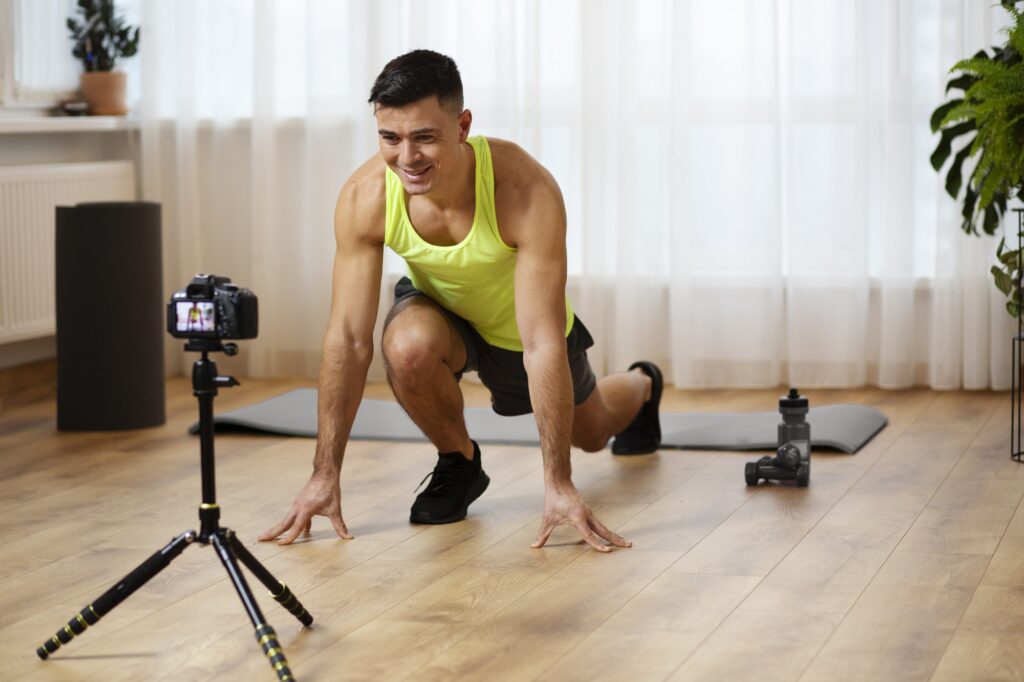
When it comes to health and fitness goals, the scale is often considered the ultimate indicator of success. But relying solely on the number on the scale to measure progress can lead to unnecessary stress and an unhealthy relationship with your body. Weight fluctuates due to many factors, and it doesn’t always reflect the improvements you’re making in terms of strength, fitness, or overall well-being. Fortunately, there are several other ways to track your progress that don’t involve stepping on the scale. Here’s how to track your progress effectively without obsessing over the number on the scale: 1. Focus on How You Feel One of the most important indicators of progress is how you feel physically and emotionally. Are you feeling more energized throughout the day? Are you noticing improvements in your mood, sleep, or mental clarity? These intangible factors are a clear sign that your efforts are paying off, even if the scale doesn’t budge. Make it a habit to check in with yourself regularly. Track how your body feels after workouts and body transformation—whether you’re recovering quicker or feeling less sore. Pay attention to your energy levels and your overall outlook on life. These changes often happen long before any noticeable weight loss occurs and can provide a more sustainable sense of progress. 2. Monitor Your Strength and Fitness Gains One of the most rewarding aspects of a fitness journey is seeing your strength and endurance improve over time. Whether you’re lifting heavier weights, running longer distances, or mastering new yoga poses, these milestones are proof of your hard work. You don’t need to rely on the scale to see improvements in your fitness. Instead, track your performance with a workout journal or a fitness app. Record your workouts, noting the weights you’re lifting, the number of reps or sets you’re completing, or the time it takes you to run a certain distance. As you progress, you’ll notice that you’re pushing yourself harder and achieving more than you did when you first started. 3. Track Your Measurements While the scale only shows a single number, body measurements can provide a more complete picture of your progress. Taking measurements of your waist, hips, thighs, arms, and chest can reveal changes in your body composition, even when the scale doesn’t change much. These measurements are key indicators of your overall body transformation, helping you track improvements beyond just weight. Keep in mind that muscle weighs more than fat, so as you build muscle and lose fat, the scale may stay the same, but your body could be transforming. Use a soft measuring tape to take your measurements every 4-6 weeks and record the results. This can help you see changes in areas like your waistline or thighs, which might not show up on the scale right away. 4. Take Progress Photos Sometimes, the changes in your body are more visible than the scale lets on. Taking progress photos can be an incredibly powerful tool for tracking your transformation. By comparing photos taken at regular intervals—such as weekly or monthly—you can see subtle changes that may not be as noticeable day-to-day. When taking progress photos, try to use the same lighting, pose, and time of day to ensure consistency. These visual reminders can keep you motivated and provide an objective way to track your progress, even when the scale seems stubbornly stuck. 5. Listen to Your Clothes One of the easiest ways to gauge progress is by paying attention to how your clothes fit. If your pants are looser, your shirt fits differently, or you notice you’re pulling up your waistband more often, it’s a sign that your body is changing. Rather than focusing on whether you’ve lost pounds, track how your clothes feel over time. Keep a favorite pair of jeans or a dress that you can use as a baseline. When it becomes easier to wear them, or you can see that they’re fitting better, you’ll know you’re making progress. 6. Set Non-Scale Goals One of the best ways to stay motivated is by setting non-scale goals. These are goals that focus on performance, habits, and lifestyle rather than a specific weight. For example, you might aim to walk 10,000 steps a day, drink more water, or reduce stress through meditation. Non-scale goals help you stay focused on the bigger picture of health and well-being, rather than just the number on the scale. They can give you a sense of accomplishment and pride as you achieve them, regardless of what the scale says. These types of goals also promote a healthier, more balanced approach to fitness, which can lead to long-term success. 7. Celebrate Non-Physical Achievements Your fitness journey is about so much more than physical changes. Celebrate other achievements like improved mental clarity, better sleep, or even an increase in your self-esteem. These milestones are just as valuable as weight loss, and they contribute to your overall sense of well-being. Take a moment to recognize when you’ve hit milestones such as running your first 5k, cooking healthier meals, or prioritizing self-care. These are the moments that help keep you motivated and give you a deeper sense of fulfillment than simply seeing a lower number on the scale. Conclusion Tracking progress is essential for staying motivated, but it’s important to remember that the scale doesn’t tell the full story. By focusing on how you feel, tracking your fitness progress, taking measurements, celebrating non-physical milestones, and listening to your body, you’ll have a much more holistic and healthy approach to measuring your journey. Remember, true progress is about making consistent, sustainable changes to improve your overall health and well-being—not just about what the scale says. Embrace the journey, and celebrate the victories that go far beyond the numbers.
Building Endurance: Top Exercises for Stamina and Energy

Endurance training is essential for improving stamina, energy levels, and overall fitness. Whether you’re an athlete training for a race, a fitness enthusiast, or someone simply aiming to improve your energy levels, increasing your endurance can significantly enhance your daily life. Building endurance involves gradually improving the body’s ability to sustain physical effort over longer periods, which not only boosts stamina but also strengthens the cardiovascular system, muscles, and mental resilience. In this article, we will explore top exercises that can help you build endurance, improve stamina, and increase your energy levels. Let’s dive into the key exercises you can incorporate into your fitness and body transformation routine to boost your endurance. 1. Running or Jogging Running or jogging is one of the most effective exercises for improving endurance. It engages multiple muscle groups, including the legs, core, and cardiovascular system, making it an excellent cardiovascular workout. Regular running or jogging increases heart rate, strengthens the heart, and improves oxygen uptake, which directly translates into better stamina. How to Get Started: Tips: Ensure you maintain proper form while running to avoid injuries, and incorporate rest days to allow your body to recover. 2. Cycling Cycling is another great endurance exercise that engages the lower body muscles, particularly the quadriceps, hamstrings, calves, and glutes. It’s also gentle on the joints, making it suitable for people of all fitness and body transformation levels. Cycling improves cardiovascular health, boosts leg strength, and builds stamina over time. How to Get Started: Tips: Incorporate cycling into your routine at least 2-3 times per week for optimal results, and make sure your bike is properly adjusted to avoid discomfort. 3. Swimming Swimming is a full-body workout that enhances cardiovascular endurance and builds strength in both the upper and lower body. The resistance of water makes swimming a low-impact exercise that is easy on the joints while still providing an excellent workout. It’s especially beneficial for improving stamina, as it requires sustained effort to keep moving against the resistance of water. How to Get Started: Tips: Be mindful of your breathing technique when swimming, as proper breathing will help you maintain your stamina and improve your efficiency in the water. 4. HIIT (High-Intensity Interval Training) HIIT involves alternating between short bursts of intense activity and periods of rest or low-intensity exercise. This form of training is ideal for improving both cardiovascular and muscular endurance. HIIT workouts are typically short but very effective, making them perfect for people with limited time. They help build stamina quickly by pushing your body to work at maximum capacity for short periods. How to Get Started: Tips: It’s important to push yourself during the high-intensity intervals but to listen to your body to avoid overexertion. 5. Rowing Rowing is another excellent exercise for building endurance, as it works both the upper and lower body. The rowing motion activates your legs, back, arms, and core, making it a full-body workout that enhances cardiovascular endurance. Rowing also improves muscle endurance and increases stamina. How to Get Started: Tips: Maintain good posture while rowing to prevent strain on your back and shoulders. 6. Jump Rope Jumping rope is a simple yet highly effective exercise for building endurance and stamina. It’s a full-body workout that improves cardiovascular health, foot speed, coordination, and agility. Jump rope exercises also help tone the legs, arms, and core, providing an all-around workout that boosts stamina. How to Get Started: Tips: Ensure your jump rope is the correct length for your height, and jump on a soft surface to reduce impact on your joints. 7. Circuit Training Circuit training involves performing a series of exercises in a row with minimal rest in between. It can include strength exercises (like push-ups or squats) along with cardiovascular moves (like jumping jacks or running in place). This combination is effective for building both muscle endurance and cardiovascular stamina. How to Get Started: Tips: Focus on proper form and technique during each exercise to prevent injury. Conclusion Building endurance is a gradual process, but with consistent effort and dedication, you’ll notice improvements in your stamina and energy levels. Incorporating a variety of exercises, such as running, cycling, swimming, HIIT, and circuit training, will keep your workouts engaging and help you build endurance in different ways. As you get stronger, you can progressively increase the intensity, duration, and complexity of your workouts to continue challenging your body. Remember, the key to improving endurance is consistency. Stay committed to your fitness routine, listen to your body, and rest when necessary. With time, you’ll see significant gains in both your physical endurance and overall energy levels. So, get moving and start building that stamina today!