

As you stand on the cusp of 2026, it’s evident that the fitness industry is undergoing a remarkable transformation. The integration of cutting-edge technology and innovative methodologies has redefined how you approach your workouts, making them more efficient and tailored to your unique needs. This new era of fitness training isn’t just about breaking a sweat; it’s about achieving smarter workouts that yield optimal results.
In the past, fitness was often seen as a one-size-fits-all approach. However, advancements in technology have paved the way for a more personalized experience, especially for those pursuing a body transformation. By incorporating data-driven insights and sophisticated equipment, you’re now able to craft a fitness regimen that aligns perfectly with your goals and lifestyle. This shift not only enhances your physical well-being but also elevates your overall quality of life.
As you delve deeper into the future of fitness training, you’ll discover how technology is the cornerstone of this evolution. From smart wearables to AI-driven programs, each component plays a vital role in transforming your fitness journey.
The Role of Technology in Fitness Training Evolution
Technology has become an integral part of your fitness journey, revolutionizing the way you approach training. Modern gadgets and software deliver real-time feedback and personalized insights to improve your workout experience.
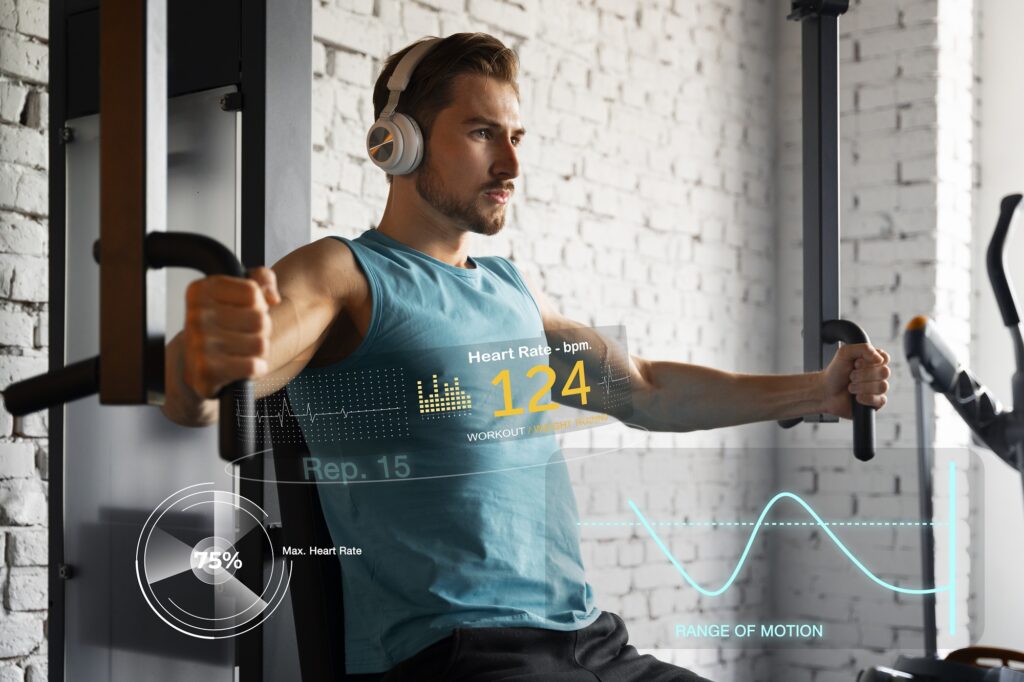
One of the most profound changes is the use of smart wearables, especially for individuals focused on body transformation goals. These devices, ranging from fitness trackers to smartwatches, monitor your heart rate, steps, calories burned, and even sleep patterns. Analyzing workout data helps optimize each session for maximum efficiency and better results. This level of personalization was unimaginable a few years ago, but today, it forms the backbone of modern fitness routines.
Moreover, technology has bridged the gap between fitness enthusiasts and experts. Online platforms and mobile applications offer virtual coaching, enabling you to access professional guidance from the comfort of your home. Accessible fitness knowledge empowers everyone to take control of their health, regardless of location or budget.
Smart Wearables: Enhancing Workout Efficiency
Smart wearables have emerged as game-changers in the fitness landscape, providing you with unprecedented insights into your health and performance. These versatile devices are designed to seamlessly integrate into your daily routine, offering a comprehensive view of your physical activity and wellness.
A key feature of smart wearables is their ability to track various metrics in real-time. Whether you’re running, cycling, or doing yoga, these gadgets monitor your heart rate, calorie expenditure, and even GPS data to map your activities. By analyzing this information, you can identify areas for improvement, set realistic goals, and track your progress with precision.
In addition to tracking physical activity, smart wearables also play a crucial role in monitoring your overall well-being, especially during a body transformation journey. Many devices include features such as sleep tracking and stress management, giving you a holistic view of your health. By understanding how different aspects of your life impact your fitness, you’re better equipped to make informed choices that promote long-term wellness.
AI and Machine Learning in Personalized Fitness Programs
Artificial Intelligence (AI) and Machine Learning (ML) are revolutionizing personalized fitness programs, offering you tailored solutions that adapt to your evolving needs. These technologies analyze vast amounts of data to create customized workout plans, ensuring that every session is aligned with your goals and capabilities.
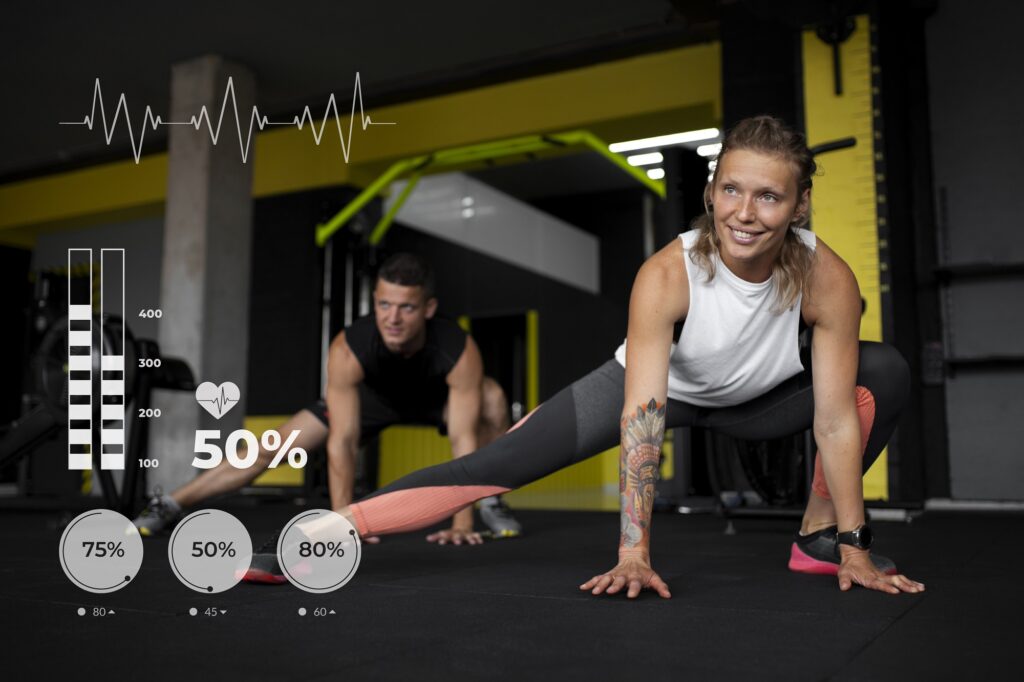
AI-powered fitness applications are designed to learn from your behavior and preferences, providing recommendations that evolve alongside your progress. For instance, if your goal is to build strength, the app might suggest weightlifting routines that incrementally increase in intensity. Similarly, if you’re focused on endurance, it may recommend interval training sessions to boost your stamina.
Machine Learning algorithms also enhance your experience by predicting and preventing potential injuries. By analyzing your movement patterns and historical data, these systems can identify risky behaviors and suggest modifications to your routine. This proactive approach not only safeguards your health but also enables you to train more effectively, maximizing your results over time.
Virtual and Augmented Reality Workouts
Virtual Reality (VR) and Augmented Reality (AR) are transforming how you experience workouts, bringing an element of excitement and engagement to your fitness routine. These technologies immerse you in a digital environment, making exercise feel more like an adventure than a chore.
VR workouts transport you to different settings, from serene beaches to bustling cityscapes, allowing you to escape the monotony of traditional gym environments. As you engage in these virtual experiences, your brain perceives the activity as real, enhancing motivation and enjoyment. This immersive approach not only makes workouts more enjoyable but also encourages you to push your limits.
Augmented Reality, on the other hand, overlays digital elements onto your physical surroundings, providing real-time feedback and guidance. For example, AR apps can project a virtual trainer into your living room, demonstrating exercises and correcting your form. This interactive experience ensures that you’re performing each movement correctly, reducing the risk of injury and optimizing your results.
The Importance of Data Analytics in Fitness Training
Data analytics is at the heart of modern fitness training, enabling you to make informed decisions based on concrete evidence. By collecting and analyzing data from various sources, you gain valuable insights into your performance, helping you refine your approach and achieve your goals more efficiently.
One of the primary benefits of data analytics is its ability to track progress over time. By reviewing historical data, you can identify trends, measure improvements, and pinpoint areas that require attention. This level of insight empowers you to adjust your training regimen as needed, ensuring that you’re consistently moving towards your objectives.
Furthermore, data analytics facilitates a deeper understanding of your body’s response to different stimuli. By examining metrics such as heart rate variability, recovery time, and muscle activation, you can tailor your workouts to suit your unique physiology. This personalized approach not only enhances your performance but also reduces the risk of overtraining and injury.
Integrating Nutrition with Fitness for Optimal Results
Achieving optimal results in your fitness journey requires a harmonious blend of exercise and nutrition. As you strive for peak performance, it’s essential to fuel your body with the right nutrients to support your training efforts and recovery.
Nutrition plays a crucial role in providing the energy needed for workouts and facilitating muscle repair post-exercise. By consuming a balanced diet rich in proteins, carbohydrates, and healthy fats, you ensure that your body has the resources it needs to perform at its best. Additionally, staying hydrated is vital for maintaining energy levels and preventing fatigue during intense sessions.

To maximize your results, consider working with a nutritionist or using technology to track your dietary intake. Many modern apps provide detailed insights into your macronutrient and micronutrient consumption, allowing you to make informed choices about your meals. By aligning your nutrition with your fitness goals, you create a synergy that enhances your overall well-being and propels you towards success.
Community and Social Engagement in Fitness Training
In the digital age, community and social engagement have become pivotal aspects of your fitness journey. Connecting with like-minded individuals not only provides motivation but also fosters a sense of accountability and camaraderie, enhancing your overall experience.
Online platforms and social media groups offer a space for you to share your progress, challenges, and achievements with others. By engaging with a supportive community, you gain access to valuable advice, encouragement, and inspiration. This sense of belonging can be a powerful motivator, pushing you to stay committed and strive for greatness.
Moreover, participating in group activities, whether in-person or virtual, adds an element of fun and competitiveness to your routine. From virtual races to group fitness classes, these experiences create a shared sense of purpose, making workouts more enjoyable and rewarding. By embracing the social aspect of fitness, you enrich your journey and cultivate lasting relationships built on mutual support.
Trends to Watch in Fitness Training for 2026
As you look ahead to 2026, several trends are poised to shape the future of fitness training. Staying informed about these developments ensures that you remain at the forefront of innovation, maximizing your potential and achieving your goals.
- Hybrid Fitness Models: The combination of in-person and virtual training options offers flexibility and convenience, catering to diverse preferences and schedules.
- Sustainable Fitness Practices: Eco-friendly gyms and sustainable workout gear are gaining traction, appealing to environmentally conscious individuals who seek to minimize their carbon footprint.
- Holistic Wellness Approaches: Fitness programs that integrate mental health and mindfulness practices are becoming increasingly popular, promoting a balanced and comprehensive approach to well-being.
- Advanced Recovery Techniques: Innovations in recovery, such as cryotherapy and infrared saunas, are enhancing post-workout recuperation, allowing you to train harder and recover faster.
- Wearable Tech Advancements: The next generation of wearables promises even greater accuracy and functionality, offering deeper insights into your health and fitness journey.
By embracing these trends, you position yourself to take full advantage of the evolving fitness landscape, ensuring that your training remains relevant and effective.
Conclusion: Embracing a Smarter Approach to Fitness
As you navigate the ever-evolving world of fitness training, embracing a smarter approach is key to unlocking your full potential. By leveraging technology, personalized programs, and a supportive community, you create a dynamic and engaging experience that aligns with your aspirations.
Incorporating these innovations into your routine not only enhances your physical performance but also enriches your overall quality of life. Whether you’re a seasoned athlete or a newcomer to the fitness scene, the tools and resources available today empower you to achieve your goals with precision and confidence.