

Protein is a fundamental macronutrient that plays a critical role in building and maintaining muscle tissue. When you consume protein, your body breaks it down into amino acids, which are then used to repair and grow muscles. This process is vital not just for athletes and bodybuilders, but for anyone interested in maintaining muscle mass, especially during a weight loss journey.
Muscle preservation is essential when losing weight because it helps maintain strength and metabolic rate. Losing muscle can lead to a slower metabolism, making it harder to shed fat. By ensuring adequate protein intake, you support muscle repair and growth, even when your calorie intake is reduced, which is an important part of body transformation.
In addition to muscle preservation, protein contributes to various bodily functions, including hormone production, immune function, and enzyme activity. Thus, prioritizing protein intake is crucial not only for muscle health but overall well-being.
The Importance of Protein During Weight Loss
When you’re on a weight loss journey, your primary goal might be to shed excess fat. However, it’s equally important to preserve lean muscle mass. Protein plays a pivotal role in achieving this balance. By consuming sufficient protein, you can minimize muscle loss while promoting fat loss, resulting in a healthier body composition.
Protein has a higher thermic effect compared to fats and carbohydrates, meaning your body burns more calories digesting protein. This can slightly boost your metabolism, aiding in body transformation and weight loss efforts. Additionally, protein helps increase satiety, reducing hunger and the likelihood of overeating, which is crucial when trying to maintain a calorie deficit.
Moreover, research indicates that high-protein diets can lead to more significant weight loss and fat reduction compared to lower-protein diets. Therefore, prioritizing protein is not just about muscle preservation; it’s also about achieving more effective and sustainable weight loss results.
Recommended Protein Intake for Muscle Preservation
Determining the right amount of protein for your needs can depend on several factors, including your age, gender, activity level, and personal goals. However, general guidelines can help you get started. The Recommended Dietary Allowance (RDA) for protein is 0.8 grams per kilogram of body weight, but this may not be sufficient for those aiming to preserve muscle during weight loss.
For individuals focused on muscle preservation, a higher protein intake is often recommended. Research suggests consuming between 1.2 to 2.2 grams of protein per kilogram of body weight, which can support body transformation goals. The higher end of this range is particularly beneficial for those engaging in regular strength training or other forms of intense physical activity.
It’s essential to tailor your protein intake to your specific needs and goals. Keeping track of your progress and making adjustments as necessary can help ensure you’re providing your body with enough protein to preserve muscle while losing weight.
How to Calculate Your Protein Needs
Calculating your protein needs involves a straightforward process. Begin by determining your current weight in kilograms (1 kg = 2.2 lbs). Once you have your weight in kilograms, multiply it by the protein intake recommendation suited to your activity level and goals.
For example, if you weigh 70 kilograms and aim for a protein intake of 1.6 grams per kilogram, your daily protein requirement would be:
[ 70 , \text{kg} \times 1.6 , \text{g/kg} = 112 , \text{grams of protein per day} ]
This calculation provides a baseline for your daily protein intake. However, it’s essential to consider factors like exercise intensity, overall calorie intake, and dietary preferences when refining your protein goals.
Monitoring your progress and adjusting your protein intake as needed can help ensure you’re meeting your muscle preservation objectives while working towards weight loss. Consulting with a nutritionist or dietitian can also provide personalized guidance tailored to your unique circumstances.
Best Sources of Protein for Weight Loss
Choosing the right protein sources is crucial for supporting muscle preservation and weight loss. Opt for lean, high-quality protein options that provide essential amino acids and nutrients without excessive calories or unhealthy fats.

Some excellent sources of protein include:
- Lean Meats: Chicken breast, turkey, and lean cuts of beef or pork.
- Fish and Seafood: Salmon, tuna, shrimp, and other fish rich in omega-3 fatty acids.
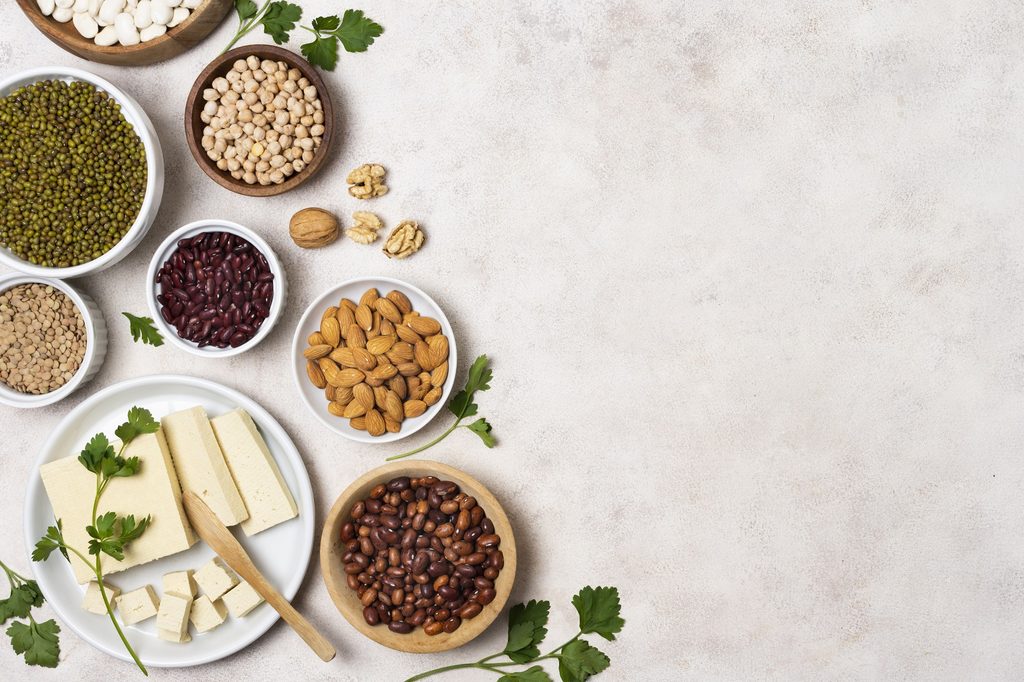
- Plant-Based Proteins: Lentils, chickpeas, beans, tofu, and tempeh.
- Dairy Products: Greek yogurt, cottage cheese, and low-fat milk.
- Eggs: Whole eggs and egg whites are versatile protein sources.
Incorporate a variety of these protein sources into your diet to ensure a balanced intake of essential nutrients. Each source offers unique benefits, and combining them can help you meet your protein needs while enjoying diverse and flavorful meals.
Timing Your Protein Intake: When is Best?
The timing of your protein intake can significantly impact muscle preservation and overall weight loss success. Distributing your protein consumption evenly throughout the day ensures a steady supply of amino acids for muscle maintenance and repair.
Consider the following protein timing strategies:
- Start Your Day with Protein: Consuming a protein-rich breakfast can help curb hunger and stabilize energy levels throughout the day. Opt for options like eggs, Greek yogurt, or a protein smoothie.
- Post-Workout Protein: After exercise, your muscles are more receptive to nutrient uptake. Consuming protein within 30 minutes to an hour post-workout can enhance muscle recovery and growth. A protein shake or a meal with lean protein can be effective.
- Even Distribution: Aim to include a source of protein with each meal and snack. This approach maintains muscle protein synthesis and helps prevent muscle breakdown.
By implementing these timing strategies, you can optimize your protein intake for muscle preservation and support your weight loss efforts effectively.
Common Myths About Protein and Weight Loss
There are several myths surrounding protein intake and weight loss that can lead to confusion. It’s essential to separate fact from fiction to make informed decisions about your diet.
Myth 1: High-Protein Diets Are Dangerous
Some believe that high-protein diets can harm the kidneys or bones. However, studies indicate that protein intake within recommended ranges is safe for healthy individuals. It’s important to stay within the appropriate limits and consult a healthcare professional if you have existing health conditions.
Myth 2: You Can Only Absorb a Limited Amount of Protein Per Meal
While the body can only utilize a finite amount of protein for muscle protein synthesis at one time, excess protein is not wasted. It contributes to other bodily functions and can be used for energy. Eating protein throughout the day, rather than focusing on meal size, is more beneficial.
Myth 3: Protein Supplements Are Necessary for Everyone
While protein supplements can be convenient, they are not essential for everyone. Meeting your protein needs through whole foods is possible and often preferable due to the additional nutrients they provide. Supplements should be considered based on individual dietary requirements and lifestyle.
Understanding these myths and focusing on evidence-based information can help you make smarter choices about your protein intake and weight loss strategy.
Supplements vs. Whole Foods: What You Should Know
The debate between protein supplements and whole foods often arises when discussing nutrition and weight loss. Both have their place, and understanding their roles can help you make informed decisions.
Whole Foods
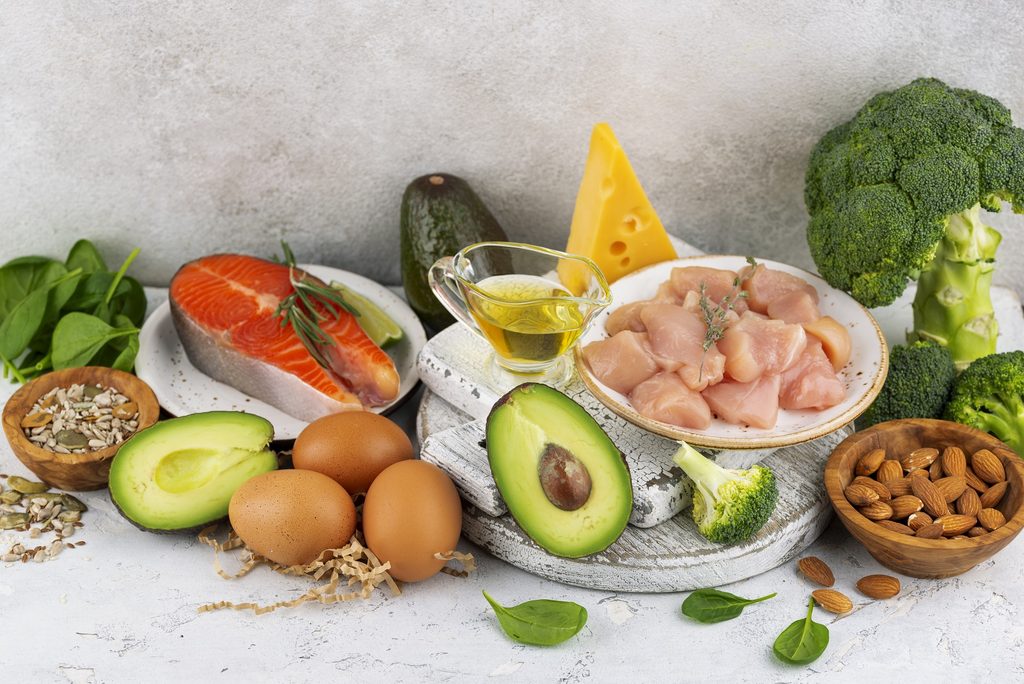
Whole foods, such as lean meats, dairy, and plant-based proteins, offer a wide range of nutrients beyond protein. They provide vitamins, minerals, and fiber, contributing to overall health. Whole foods are often more satisfying and can be part of a balanced diet.
Protein Supplements
Supplements like protein powders and bars offer convenience, especially for those with busy lifestyles or increased protein needs. They can be beneficial post-workout or when it’s challenging to meet protein goals through diet alone. However, relying solely on supplements can result in missing out on the diverse nutrients found in whole foods.
Incorporating both whole foods and supplements can create a balanced approach, ensuring you meet your protein needs while enjoying the benefits of a varied diet. Evaluate your lifestyle and goals to determine the right balance for you.
Creating a Balanced Diet Plan for Muscle Preservation
Designing a diet plan that supports muscle preservation while promoting weight loss requires careful consideration of macronutrient ratios and food choices. A balanced approach ensures you’re providing your body with the nutrients it needs to function optimally.
1. Prioritize Protein
Ensure each meal contains a source of high-quality protein. This can include lean meats, fish, eggs, dairy, or plant-based options.
2. Include Healthy Fats
Incorporate healthy fats from sources like avocados, nuts, seeds, and olive oil. These fats support hormone production and overall health.
3. Choose Complex Carbohydrates
Opt for whole grains, fruits, and vegetables as your primary carbohydrate sources. They provide essential nutrients and fiber, aiding digestion and maintaining steady energy levels.
4. Monitor Portion Sizes
Pay attention to portion sizes to maintain a calorie deficit for weight loss. Use measuring tools or visual cues to ensure you’re consuming appropriate amounts.
5. Stay Hydrated
Adequate hydration supports metabolism and satiety. Aim for at least 8 cups (64 ounces) of water per day, adjusting for activity level and climate.
By following these guidelines, you can create a diet plan that supports muscle preservation and aligns with your weight loss goals.
Conclusion: Prioritizing Protein for Effective Weight Loss
In conclusion, protein is a vital component of any successful weight loss strategy. By understanding its role in muscle preservation and implementing strategies to meet your protein needs, you can achieve your weight loss goals while maintaining lean muscle mass.Remember, the key is to tailor your protein intake to your specific needs and goals, incorporating a variety of high-quality protein sources. Consider timing your protein intake strategically for optimal muscle preservation and weight loss results.