
How Much Protein Do You Need Daily to Preserve Muscle While Losing Weight?
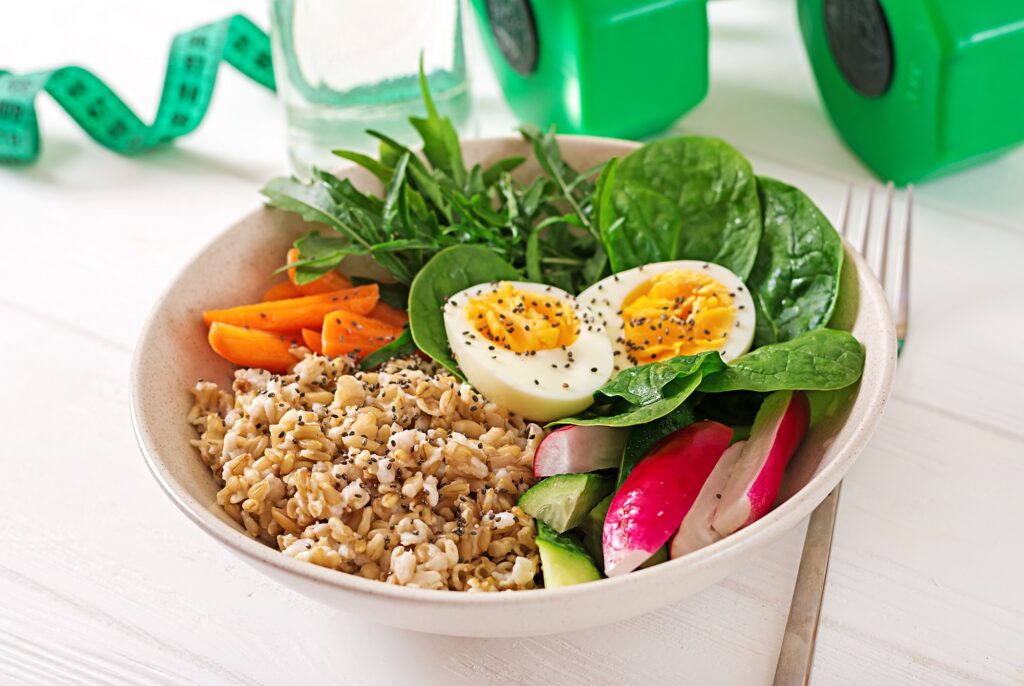
Protein is a fundamental macronutrient that plays a critical role in building and maintaining muscle tissue. When you consume protein, your body breaks it down into amino acids, which are then used to repair and grow muscles. This process is vital not just for athletes and bodybuilders, but for anyone interested in maintaining muscle mass, especially during a weight loss journey. Muscle preservation is essential when losing weight because it helps maintain strength and metabolic rate. Losing muscle can lead to a slower metabolism, making it harder to shed fat. By ensuring adequate protein intake, you support muscle repair and growth, even when your calorie intake is reduced, which is an important part of body transformation. In addition to muscle preservation, protein contributes to various bodily functions, including hormone production, immune function, and enzyme activity. Thus, prioritizing protein intake is crucial not only for muscle health but overall well-being. The Importance of Protein During Weight Loss When you’re on a weight loss journey, your primary goal might be to shed excess fat. However, it’s equally important to preserve lean muscle mass. Protein plays a pivotal role in achieving this balance. By consuming sufficient protein, you can minimize muscle loss while promoting fat loss, resulting in a healthier body composition. Protein has a higher thermic effect compared to fats and carbohydrates, meaning your body burns more calories digesting protein. This can slightly boost your metabolism, aiding in body transformation and weight loss efforts. Additionally, protein helps increase satiety, reducing hunger and the likelihood of overeating, which is crucial when trying to maintain a calorie deficit. Moreover, research indicates that high-protein diets can lead to more significant weight loss and fat reduction compared to lower-protein diets. Therefore, prioritizing protein is not just about muscle preservation; it’s also about achieving more effective and sustainable weight loss results. Recommended Protein Intake for Muscle Preservation Determining the right amount of protein for your needs can depend on several factors, including your age, gender, activity level, and personal goals. However, general guidelines can help you get started. The Recommended Dietary Allowance (RDA) for protein is 0.8 grams per kilogram of body weight, but this may not be sufficient for those aiming to preserve muscle during weight loss. For individuals focused on muscle preservation, a higher protein intake is often recommended. Research suggests consuming between 1.2 to 2.2 grams of protein per kilogram of body weight, which can support body transformation goals. The higher end of this range is particularly beneficial for those engaging in regular strength training or other forms of intense physical activity. It’s essential to tailor your protein intake to your specific needs and goals. Keeping track of your progress and making adjustments as necessary can help ensure you’re providing your body with enough protein to preserve muscle while losing weight. How to Calculate Your Protein Needs Calculating your protein needs involves a straightforward process. Begin by determining your current weight in kilograms (1 kg = 2.2 lbs). Once you have your weight in kilograms, multiply it by the protein intake recommendation suited to your activity level and goals. For example, if you weigh 70 kilograms and aim for a protein intake of 1.6 grams per kilogram, your daily protein requirement would be: [ 70 , \text{kg} \times 1.6 , \text{g/kg} = 112 , \text{grams of protein per day} ] This calculation provides a baseline for your daily protein intake. However, it’s essential to consider factors like exercise intensity, overall calorie intake, and dietary preferences when refining your protein goals. Monitoring your progress and adjusting your protein intake as needed can help ensure you’re meeting your muscle preservation objectives while working towards weight loss. Consulting with a nutritionist or dietitian can also provide personalized guidance tailored to your unique circumstances. Best Sources of Protein for Weight Loss Choosing the right protein sources is crucial for supporting muscle preservation and weight loss. Opt for lean, high-quality protein options that provide essential amino acids and nutrients without excessive calories or unhealthy fats. Some excellent sources of protein include: Incorporate a variety of these protein sources into your diet to ensure a balanced intake of essential nutrients. Each source offers unique benefits, and combining them can help you meet your protein needs while enjoying diverse and flavorful meals. Timing Your Protein Intake: When is Best? The timing of your protein intake can significantly impact muscle preservation and overall weight loss success. Distributing your protein consumption evenly throughout the day ensures a steady supply of amino acids for muscle maintenance and repair. Consider the following protein timing strategies: By implementing these timing strategies, you can optimize your protein intake for muscle preservation and support your weight loss efforts effectively. Common Myths About Protein and Weight Loss There are several myths surrounding protein intake and weight loss that can lead to confusion. It’s essential to separate fact from fiction to make informed decisions about your diet. Myth 1: High-Protein Diets Are Dangerous Some believe that high-protein diets can harm the kidneys or bones. However, studies indicate that protein intake within recommended ranges is safe for healthy individuals. It’s important to stay within the appropriate limits and consult a healthcare professional if you have existing health conditions. Myth 2: You Can Only Absorb a Limited Amount of Protein Per Meal While the body can only utilize a finite amount of protein for muscle protein synthesis at one time, excess protein is not wasted. It contributes to other bodily functions and can be used for energy. Eating protein throughout the day, rather than focusing on meal size, is more beneficial. Myth 3: Protein Supplements Are Necessary for Everyone While protein supplements can be convenient, they are not essential for everyone. Meeting your protein needs through whole foods is possible and often preferable due to the additional nutrients they provide. Supplements should be considered based on individual dietary requirements and lifestyle. Understanding these myths and focusing on evidence-based information can help you make smarter choices about your protein intake and weight loss strategy. Supplements vs.