How Progressive Overload Changes Your Body Over Time
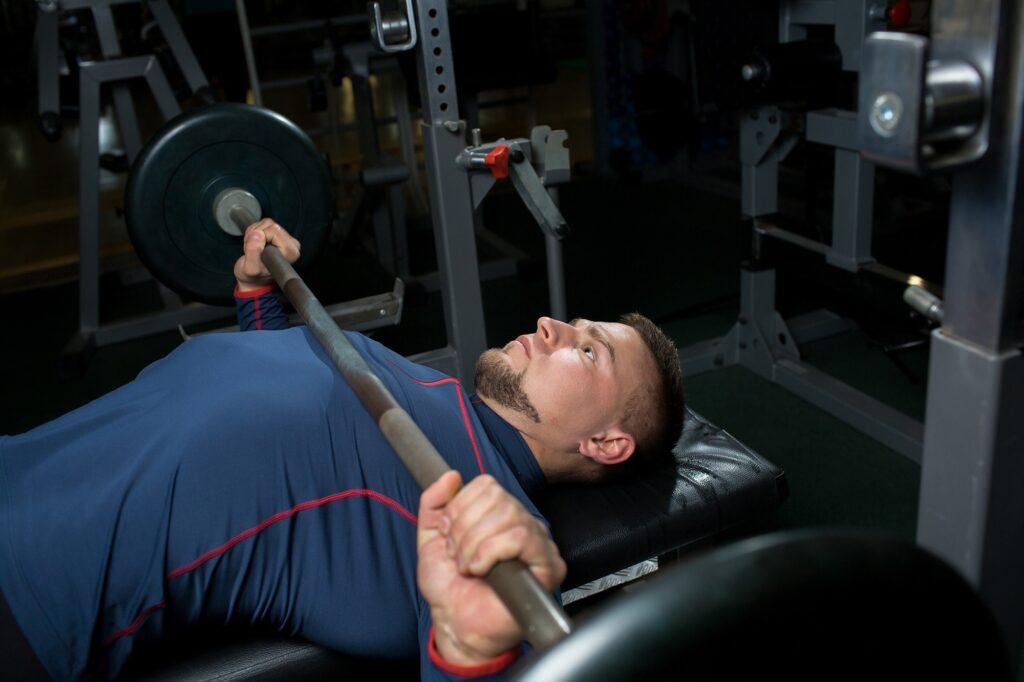
Progressive overload is a fundamental principle in strength training and fitness. It refers to the gradual increase of stress placed upon the body during exercise. When you consistently challenge your muscles with increasing loads, they adapt by growing stronger and more resilient. This concept is crucial for anyone looking to enhance their physical performance and achieve long-term fitness goals. To effectively implement progressive overload, it’s important to understand that it doesn’t solely rely on lifting heavier weights. There are various ways to apply this principle, such as increasing the volume (more repetitions or sets), the intensity (lifting heavier weights), the frequency (more workouts per week), or by improving your form and technique. By systematically challenging your body, you encourage it to adapt, leading to significant improvements over time and supporting a lasting body transformation. The success of progressive overload lies in its adaptability. Regardless of your current fitness level, you can tailor this approach to fit your needs. Whether you are a beginner or an advanced athlete, incorporating progressive overload into your routine ensures continual progression and helps you avoid plateaus that may otherwise hinder your progress. The Science Behind Muscle Growth Muscle growth, also known as hypertrophy, occurs when the fibers in muscles experience stress beyond their current capabilities. This stress causes small tears in the muscle fibers. During the recovery process, the body repairs these fibers, making them larger and stronger than before. Progressive overload is the mechanism that initiates this cycle of stress and repair, leading to increased muscle mass and strength. At the cellular level, muscle growth is facilitated by protein synthesis. When you engage in resistance training, your body responds by boosting protein synthesis to repair damaged muscle fibers. Consuming adequate protein and ensuring sufficient rest are essential components of this process, as they provide the necessary building blocks and recovery time for muscle repair. These factors are also fundamental to achieving a successful body transformation, as they support sustained muscle development and overall physical progress. Understanding the role of hormones like testosterone and growth hormone is also critical in muscle development. These hormones are naturally elevated after resistance training and are crucial for muscle growth. By consistently applying progressive overload, you can optimize these hormonal responses, further enhancing your gains. Benefits of Progressive Overload Progressive overload offers numerous advantages beyond muscle growth. One of the most notable benefits is increased strength. As your muscles adapt to the increased demands, they become capable of handling heavier loads. This not only improves your performance in the gym but also enhances your functional strength in daily activities. Another significant benefit is enhanced endurance. By gradually increasing the intensity and duration of your workouts, you train your cardiovascular system to become more efficient. This results in improved stamina, allowing you to perform longer and more intense exercise sessions without fatigue setting in too quickly. Improved endurance is also a key component of a successful body transformation, helping you sustain higher levels of physical activity and achieve your fitness goals more effectively. In addition to physical improvements, progressive overload also has mental benefits. Overcoming the challenges of increased training demands builds mental resilience. This can lead to improved confidence both in fitness contexts and in other areas of life. Embracing the discomfort of pushing your limits can foster a growth mindset, encouraging you to pursue continuous improvement. Different Methods of Implementing Progressive Overload Progressive overload can be implemented using various methods, allowing you to tailor your approach based on your goals and preferences. Here are some effective strategies: How Progressive Overload Affects Strength and Endurance Progressive overload is integral to building both strength and endurance. As you progressively increase the demands on your muscles, they adapt by becoming stronger. This increase in strength translates to better performance in various physical activities, from lifting heavy objects to performing high-intensity workouts. Endurance is similarly improved through gradual increments in training stress. By enhancing your muscles’ ability to sustain prolonged activity, you build endurance. This is especially important for athletes and individuals participating in endurance sports like running or cycling. The cumulative effect of progressive overload on endurance allows for longer and more efficient performance. Moreover, the benefits of progressive overload extend beyond physical capabilities. As you witness improvements in strength and endurance, your motivation and commitment to your fitness journey are reinforced. This cycle of progress and reward keeps you engaged and eager to continue pushing your limits. Tracking Your Progress: Importance of Consistency Consistent tracking of your progress is essential in a progressive overload plan. Keeping a detailed record of your workouts allows you to monitor improvements and adjust your training program as needed. This can involve noting down weights lifted, repetitions completed, and any changes in body measurements. Consistency is key to achieving your fitness goals. Regularly applying progressive overload ensures that you continue to challenge your body, preventing plateaus and maximizing results. It’s important to stay committed to your routine, even when progress seems slow. Remember, muscle growth and strength improvements are gradual processes that require patience and dedication. Utilizing tools such as fitness apps, journals, or spreadsheets can help you stay organized and focused on your goals. By tracking your progress, you gain valuable insights into what works best for you and what areas may need adjustment. This empowers you to make informed decisions, optimizing your training for maximum effectiveness. Common Mistakes to Avoid with Progressive Overload While progressive overload is a powerful tool, there are common mistakes that can hinder your progress. One of the most prevalent errors is increasing the weight too quickly. This can lead to poor form, increased risk of injury, and ultimately, limited gains. It’s crucial to prioritize proper technique over heavier loads, gradually increasing the weight as your strength improves. Another mistake is neglecting recovery. Overtraining without adequate rest can lead to burnout and diminish your progress. Ensure you incorporate rest days and prioritize sleep to allow your muscles to recover and grow. Listening to your body and recognizing the
The Hidden Role of the Nervous System in Strength Gains
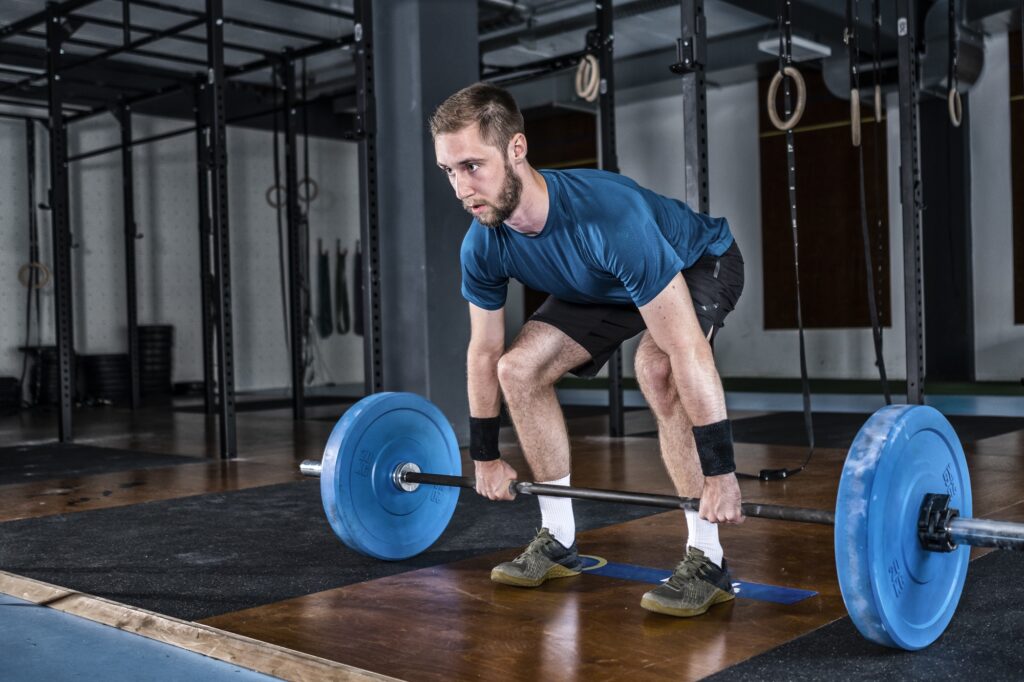
When delving into the world of strength training, it’s crucial to recognize the pivotal role your nervous system plays. At its core, the nervous system is a complex network that controls and coordinates all bodily functions. It includes the central nervous system (CNS), comprising the brain and spinal cord, and the peripheral nervous system (PNS), which extends throughout the body. The CNS acts as the control center, processing information and issuing commands. Meanwhile, the PNS functions as the messenger, transmitting signals between the CNS and the rest of the body. This intricate communication system ensures that your muscles contract and relax, allowing for movement and strength development. Understanding how these systems work together can help optimize training strategies and support a successful body transformation. Understanding these basic functions of the nervous system is essential as it forms the foundation for comprehending how it influences muscle strength. By appreciating its complexity, you can better utilize its capabilities to enhance your strength training endeavors. The Connection Between the Nervous System and Muscle Strength Muscle strength is not solely a function of muscle size; rather, it’s closely tied to the efficiency of your nervous system. The nervous system dictates how your muscles contract, determining the force and speed of these contractions. This connection is crucial for maximizing strength gains. When you engage in strength training, your nervous system adapts by improving the efficiency of signal transmission. This means that over time, your body becomes better at recruiting motor units—groups of muscle fibers activated by a single motor neuron. The more motor units you can recruit, the stronger you become. In essence, a well-functioning nervous system enhances your ability to generate force with each contraction. It optimizes the synchronization of muscle fibers, leading to greater strength without necessarily increasing muscle size. Understanding this relationship allows you to focus on training methods that enhance nervous system efficiency, an important factor in achieving a sustainable body transformation. How the Nervous System Affects Performance in Strength Training Your nervous system plays a critical role in your performance during strength training. It determines how effectively you can execute movements and how quickly you can adapt to new exercises. A well-tuned nervous system translates into improved coordination, balance, and agility. During strength training, the nervous system’s role isn’t limited to muscle contractions. It also involves the regulation of muscle tension and the prevention of fatigue. This means that a robust nervous system not only allows you to lift heavier weights but also enables you to sustain effort over longer periods. Moreover, the nervous system’s adaptability ensures that you continue to make progress in your training regimen. As you expose your body to various stimuli, the nervous system learns to respond more efficiently, leading to gains in strength and performance. By focusing on techniques that enhance neural efficiency, you can push past plateaus, achieve your strength goals, and support a lasting body transformation. The Role of Motor Units in Strength Development Motor units are fundamental to understanding strength development. Each motor unit consists of a motor neuron and the muscle fibers it innervates. The size of a motor unit varies, with some controlling a few muscle fibers and others controlling thousands. The recruitment of motor units is critical for maximizing strength. During strength training, your nervous system learns to recruit more motor units simultaneously, resulting in increased force production. This process is known as motor unit synchronization, and it’s a key factor in developing greater strength. Additionally, the recruitment of larger motor units, which are typically associated with fast-twitch muscle fibers, contributes to explosive strength gains. By training your nervous system to efficiently recruit these motor units, you can enhance your ability to perform powerful movements, such as lifting heavier weights or executing dynamic exercises. Neuromuscular Adaptations: What Happens When You Train? Neuromuscular adaptations refer to the changes that occur in your nervous and muscular systems as a result of consistent strength training. These adaptations are crucial for achieving long-term strength gains and improving overall performance. One significant adaptation is increased neural drive, which enhances the ability of your nervous system to send stronger signals to your muscles. This leads to improved muscle activation and greater force production. Additionally, neuromuscular adaptations include enhanced motor unit recruitment and synchronization, resulting in more efficient muscle contractions. Another adaptation is the reduction of inhibitory signals that limit muscle activation. This means that your nervous system becomes more adept at overriding the body’s natural mechanisms that prevent excessive force production, allowing for increased strength. By understanding and leveraging these adaptations, you can tailor your training to maximize strength gains. The Importance of Recovery for Nervous System Health Recovery is a vital component of any strength training program, and it plays a significant role in maintaining nervous system health. An overworked nervous system can lead to fatigue, decreased performance, and increased risk of injury. Therefore, prioritizing recovery is essential for sustainable progress. Adequate sleep is one of the most critical factors in nervous system recovery. During sleep, your body repairs and rejuvenates, allowing your nervous system to recover from the stress of training. Aim for 7-9 hours of quality sleep each night to support optimal recovery. Additionally, incorporating rest days and active recovery sessions into your routine can prevent overtraining. Engaging in activities like yoga, stretching, or light aerobic exercise promotes blood flow and aids in the removal of metabolic waste, contributing to nervous system health. By respecting the need for recovery, you ensure that your nervous system remains robust and capable of supporting your strength training goals. Techniques to Optimize Nervous System Function for Strength Gains Optimizing your nervous system function involves implementing specific techniques that enhance its efficiency and adaptability. These techniques can significantly impact your strength training outcomes and overall performance. By integrating these techniques into your training regimen, you can effectively stimulate your nervous system, promoting strength development and maximizing performance. The Impact of Stress on the Nervous System and Strength Performance Stress, whether physical or psychological, can have a
Fitness Training in 2026: Smarter Workouts, Better Results

As you stand on the cusp of 2026, it’s evident that the fitness industry is undergoing a remarkable transformation. The integration of cutting-edge technology and innovative methodologies has redefined how you approach your workouts, making them more efficient and tailored to your unique needs. This new era of fitness training isn’t just about breaking a sweat; it’s about achieving smarter workouts that yield optimal results. In the past, fitness was often seen as a one-size-fits-all approach. However, advancements in technology have paved the way for a more personalized experience, especially for those pursuing a body transformation. By incorporating data-driven insights and sophisticated equipment, you’re now able to craft a fitness regimen that aligns perfectly with your goals and lifestyle. This shift not only enhances your physical well-being but also elevates your overall quality of life. As you delve deeper into the future of fitness training, you’ll discover how technology is the cornerstone of this evolution. From smart wearables to AI-driven programs, each component plays a vital role in transforming your fitness journey. The Role of Technology in Fitness Training Evolution Technology has become an integral part of your fitness journey, revolutionizing the way you approach training. Modern gadgets and software deliver real-time feedback and personalized insights to improve your workout experience. One of the most profound changes is the use of smart wearables, especially for individuals focused on body transformation goals. These devices, ranging from fitness trackers to smartwatches, monitor your heart rate, steps, calories burned, and even sleep patterns. Analyzing workout data helps optimize each session for maximum efficiency and better results. This level of personalization was unimaginable a few years ago, but today, it forms the backbone of modern fitness routines. Moreover, technology has bridged the gap between fitness enthusiasts and experts. Online platforms and mobile applications offer virtual coaching, enabling you to access professional guidance from the comfort of your home. Accessible fitness knowledge empowers everyone to take control of their health, regardless of location or budget. Smart Wearables: Enhancing Workout Efficiency Smart wearables have emerged as game-changers in the fitness landscape, providing you with unprecedented insights into your health and performance. These versatile devices are designed to seamlessly integrate into your daily routine, offering a comprehensive view of your physical activity and wellness. A key feature of smart wearables is their ability to track various metrics in real-time. Whether you’re running, cycling, or doing yoga, these gadgets monitor your heart rate, calorie expenditure, and even GPS data to map your activities. By analyzing this information, you can identify areas for improvement, set realistic goals, and track your progress with precision. In addition to tracking physical activity, smart wearables also play a crucial role in monitoring your overall well-being, especially during a body transformation journey. Many devices include features such as sleep tracking and stress management, giving you a holistic view of your health. By understanding how different aspects of your life impact your fitness, you’re better equipped to make informed choices that promote long-term wellness. AI and Machine Learning in Personalized Fitness Programs Artificial Intelligence (AI) and Machine Learning (ML) are revolutionizing personalized fitness programs, offering you tailored solutions that adapt to your evolving needs. These technologies analyze vast amounts of data to create customized workout plans, ensuring that every session is aligned with your goals and capabilities. AI-powered fitness applications are designed to learn from your behavior and preferences, providing recommendations that evolve alongside your progress. For instance, if your goal is to build strength, the app might suggest weightlifting routines that incrementally increase in intensity. Similarly, if you’re focused on endurance, it may recommend interval training sessions to boost your stamina. Machine Learning algorithms also enhance your experience by predicting and preventing potential injuries. By analyzing your movement patterns and historical data, these systems can identify risky behaviors and suggest modifications to your routine. This proactive approach not only safeguards your health but also enables you to train more effectively, maximizing your results over time. Virtual and Augmented Reality Workouts Virtual Reality (VR) and Augmented Reality (AR) are transforming how you experience workouts, bringing an element of excitement and engagement to your fitness routine. These technologies immerse you in a digital environment, making exercise feel more like an adventure than a chore. VR workouts transport you to different settings, from serene beaches to bustling cityscapes, allowing you to escape the monotony of traditional gym environments. As you engage in these virtual experiences, your brain perceives the activity as real, enhancing motivation and enjoyment. This immersive approach not only makes workouts more enjoyable but also encourages you to push your limits. Augmented Reality, on the other hand, overlays digital elements onto your physical surroundings, providing real-time feedback and guidance. For example, AR apps can project a virtual trainer into your living room, demonstrating exercises and correcting your form. This interactive experience ensures that you’re performing each movement correctly, reducing the risk of injury and optimizing your results. The Importance of Data Analytics in Fitness Training Data analytics is at the heart of modern fitness training, enabling you to make informed decisions based on concrete evidence. By collecting and analyzing data from various sources, you gain valuable insights into your performance, helping you refine your approach and achieve your goals more efficiently. One of the primary benefits of data analytics is its ability to track progress over time. By reviewing historical data, you can identify trends, measure improvements, and pinpoint areas that require attention. This level of insight empowers you to adjust your training regimen as needed, ensuring that you’re consistently moving towards your objectives. Furthermore, data analytics facilitates a deeper understanding of your body’s response to different stimuli. By examining metrics such as heart rate variability, recovery time, and muscle activation, you can tailor your workouts to suit your unique physiology. This personalized approach not only enhances your performance but also reduces the risk of overtraining and injury. Integrating Nutrition with Fitness for Optimal Results Achieving optimal results in your fitness journey requires a
The Importance of Warm-Up and Cool-Down: What Most People Skip

Understanding the Importance of Warm-Up and Cool-Down Incorporating warm-up and cool-down phases into your workout routine is essential. These preparatory and concluding segments ensure that your body transitions smoothly into and out of physical activity. Skipping them can reduce workout effectiveness and increase the risk of injury. Warm-ups gradually increase heart rate and blood flow, loosen joints, and prepare muscles for strenuous activity an essential step in any effective body transformation. Cool-downs help lower heart rate and return the body to a resting state, preventing dizziness and other complications. By prioritizing these stages, you safeguard your body against injuries and enhance performance. This article will explore the science, benefits, techniques, and myths surrounding warm-up and cool-down to highlight their crucial role in fitness. Benefits of Warming Up Before Exercise Warming up before exercise offers numerous benefits that extend beyond the immediate workout. It prepares your cardiovascular system for the increased workload by gradually boosting heart rate and circulation, which reduces the risk of cardiovascular strain and helps your body handle the demands of exercise and body transformation more effectively. A proper warm-up also enhances mental readiness and focus. Engaging in a consistent warm-up routine helps you transition mentally from a state of rest to a state of alertness and engagement. This mental shift improves concentration and coordination, which are essential for performing exercises with proper form and technique. Additionally, warming up helps prevent injuries by loosening muscles and joints, making them more pliable and less prone to strains and sprains. This preventive measure not only protects you during workout but also ensures you can exercise consistently without interruptions due to injuries, an essential factor in achieving a successful body transformation. Common Warm-Up Techniques and Exercises Different exercises require different warm-up techniques, but some foundational elements are universally beneficial. Dynamic stretches involve active movements that warm up muscles and increase range of motion. Examples include arm circles, leg swings, and torso twists, which can target specific muscles relevant to your workout. Cardiovascular exercises such as jogging or cycling at low intensity for five to ten minutes are also effective. They gradually raise heart rate and activate muscles, preparing the body for more intense activity. Incorporating sport-specific drills can further enhance your warm-up. For example, if preparing for a basketball game, include dribbling and shooting drills. These warm up relevant muscles and help refine skills and technique. Benefits of Cooling Down After Exercise Cooling down after exercise is essential for aiding recovery and maintaining performance. One primary benefit is the gradual reduction of heart rate and blood pressure, which helps prevent dizziness or fainting that can occur if exercise stops abruptly. Cooling down also supports recovery by facilitating the removal of waste products like lactic acid from muscles, reducing stiffness and soreness. This can lead to quicker recovery times, allowing you to maintain a consistent exercise routine. Additionally, cooling down provides a moment for mental relaxation, helping you transition from a high-energy state to a more relaxed one. This wind-down period can reduce stress, improve focus, and allow you to reflect on your workout and progress. Effective Cool-Down Strategies and Practices A well-structured cool-down routine should last five to ten minutes and include activities that gradually decrease in intensity. Start with light aerobic exercises such as walking or slow jogging to help your heart rate decline steadily. This allows your circulatory system to adjust and prevents blood from pooling in your veins. Static stretching is another important component. Focus on major muscle groups used during your workout, holding each stretch for 15–30 seconds. This aids recovery and helps maintain flexibility over time. Incorporating breathing exercises can further enhance your cool-down. Deep breathing slows the heart rate and promotes relaxation, facilitating a smooth transition to a resting state. Techniques such as diaphragmatic breathing or progressive muscle relaxation are particularly effective. How Skipping Warm-Up and Cool-Down Affects Your Body Neglecting to warm up or cool down can have several adverse effects. Without a proper warm-up, muscles remain cold and tight, increasing the risk of strains, sprains, and other injuries. It can also reduce performance, as the body is not fully prepared for exercise. Skipping the cool-down can lead to prolonged muscle soreness and stiffness due to lactic acid accumulation. It may also cause blood pooling, resulting in dizziness or fainting. These effects can impede recovery and reduce the ability to exercise consistently. Consistently omitting warm-up and cool-down can have long-term consequences, including chronic injuries and cardiovascular issues. Prioritizing these steps helps maintain a healthy, active body and supports sustained fitness progress. Incorporating Warm-Up and Cool-Down into Your Routine To make warm-up and cool-down a regular part of your exercise, schedule them just like your main workout. Allocate specific times and treat them as essential components of your fitness regimen to consistently prioritize your health and safety. Customizing your warm-up and cool-down to fit your specific exercise needs can enhance their effectiveness. For example, a yoga session may require different exercises than high-intensity interval training. Consistency is key. Regularly incorporating these practices improves flexibility, performance, and overall well-being, reinforcing their importance in your fitness journey. Conclusion Incorporating warm-up and cool-down into your exercise routine is not just a recommendation; it’s a cornerstone of effective fitness practice. These essential steps prepare your body for physical activity, enhance performance, and facilitate recovery. As you continue on your fitness journey, make warm-up and cool-down non-negotiable parts of your routine. Remember, your fitness journey is a marathon, not a sprint, and taking the time to care for your body with these practices will pay off in the long run.
The Role of Breathing Techniques in Strength and Endurance Training

Breathing is often overlooked in physical training, yet it plays a crucial role in enhancing strength and endurance. Mastering specific breathing techniques can improve performance by optimizing oxygen delivery to muscles, sustaining energy during workouts. Beyond physical benefits, mindful breathing reduces stress and increases focus, which is vital during intense training sessions of body transformation where mental strength matters as much as physical power. Incorporating structured breathing also lowers injury risk by ensuring muscles receive adequate oxygen, reducing fatigue and strain. Prioritizing breathing creates a more efficient and safer workout. How Breathing Affects Strength and Endurance Breathing directly affects how your body produces and utilizes energy. During strength training, your muscles need a steady supply of oxygen to perform optimally. Proper breathing ensures maximum oxygen intake and carbon dioxide expulsion, maintaining balance for muscle function and growth. For endurance activities like running or cycling or intense body transformation exercises, breathing efficiency is even more critical. Controlling your breath helps maintain pace and delays fatigue. Athletes use specific breathing patterns to enhance stamina and sustain performance over longer durations. In both strength and endurance training, improper breathing can reduce performance and increase fatigue. Focusing on breath control enhances force exertion and energy maintenance, improving overall athletic performance. Different Breathing Techniques for Strength Training In strength training, body transformation exercises require distinct breathing strategies to maximize effectiveness and safety. One popular technique is the Valsalva maneuver, which involves taking a deep breath and holding it while lifting heavy weights. This helps stabilize your core and protect your spine during intense lifts. Another technique is exhaling during the exertion phase, such as when pushing a weight overhead. This maintains oxygen flow and avoids unnecessary strain. Timing your breath with your movements optimizes strength and control throughout each exercise. Additionally, rhythmic breathing helps maintain a steady pace during circuit training or high-intensity interval training (HIIT). Syncing your breath with movements sustains energy levels and enhances performance over multiple sets. Breathing Techniques for Endurance Training For endurance training, such as long-distance running or cycling, maintaining a consistent and efficient breathing pattern is crucial. One effective method is diaphragmatic breathing, involving deep breaths that fully engage the diaphragm to maximize oxygen intake and carbon dioxide expulsion. Pacing your breath with your steps or pedal strokes can enhance endurance. For example, a 3:2 or 2:2 breathing pattern—inhaling and exhaling for set counts—helps maintain rhythm and prevent fatigue, keeping your mind focused and body coordinated. Incorporating nasal breathing can further optimize oxygen utilization by filtering and humidifying the air, improving oxygen exchange. This technique is especially beneficial for sustaining a steady pace during long-duration activities. Integrating Breathing Techniques into Your Workout Routine Integrating breathing techniques into your workout requires practice and mindfulness. Start by incorporating focused breathing exercises into your warm-up to prepare your body and mind. This can include deep diaphragmatic breathing or simple breath awareness to center yourself before training. During your workout, consciously apply specific breathing techniques to different exercises. Whether using the Valsalva maneuver for heavy lifts or rhythmic breathing for endurance, ensure your breath complements your movements and enhances performance. After your workout, include breathing exercises in your cool-down to aid recovery. Deep, slow breaths help lower your heart rate and promote relaxation, facilitating a smooth transition from exercise to rest. Over time, these practices become second nature, enhancing your training regimen. Common Breathing Mistakes to Avoid During Training While mastering breathing techniques enhances training, common mistakes can undermine your efforts. One frequent error is shallow breathing, which limits oxygen intake and leads to premature fatigue. Focus on deep, diaphragmatic breaths to ensure adequate oxygen delivery. Another mistake is holding your breath during exercises, especially in strength training. This can increase blood pressure and cause dizziness. Instead, exhale during exertion to maintain oxygen flow and stabilize your core. Finally, neglecting to synchronize breath with movements can disrupt rhythm and decrease efficiency. Consciously aligning your breath with exercise enhances coordination and helps maintain a consistent pace. Benefits of Mindful Breathing in Sports Performance Mindful breathing offers numerous physical and mental benefits in sports performance. Physically, it improves oxygen delivery to muscles, enhances endurance, and supports efficient energy use, leading to greater strength and stamina. Mentally, mindful breathing promotes focus and reduces stress. Concentrating on your breath helps you enter a state of flow, where mind and body work in harmony, enhancing concentration and decision-making in high-pressure situations. Additionally, mindful breathing aids recovery and reduces injury risk by optimizing oxygen exchange and promoting relaxation. Incorporating mindful breathing into your routine can elevate your sports performance. Resources and Tools for Learning Breathing Techniques To effectively learn and integrate breathing techniques into your training, various resources can be highly beneficial. Books and online courses provide in-depth knowledge and practical exercises to master different techniques. Mobile apps offer guided breath techniques and training with customizable routines, pacing features, reminders, and progress tracking to keep you consistent and motivated. Additionally, working with a coach or attending workshops provides personalized guidance and feedback. Experts can identify areas for improvement and tailor techniques to your goals, helping you maximize benefits in your training. Conclusion Incorporating proper breathing techniques into your training can be transformative, enhancing both strength and endurance. By understanding the science behind breathing and applying specific techniques, you can optimize performance and achieve your athletic goals. Practice mindful breathing consistently and integrate it into every aspect of your training. As you refine breath control, you’ll notice improvements in stamina, focus, and recovery, leading to a more effective and enjoyable workout. Take the next step in your fitness journey by prioritizing your breath. Explore resources, seek expert guidance, and commit to making mindful breathing an integral part of your training to unlock your full potential.
Strength Training Myths: Lifting Won’t Make Women Bulky
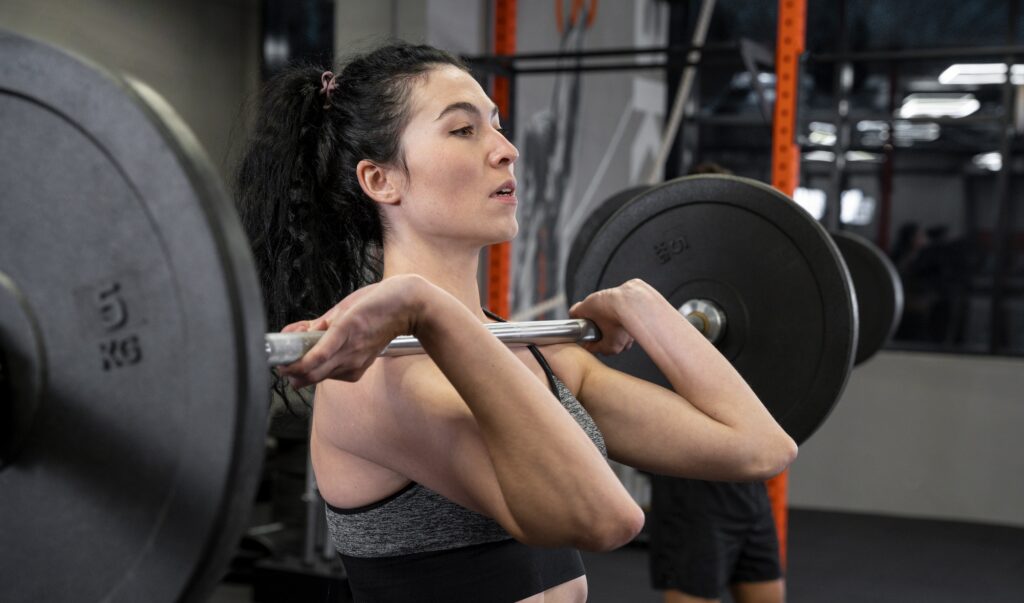
Introduction to Strength Training for Women Strength training is often misunderstood. It’s an exercise form that not only enhances physical strength but also boosts mental well-being. Understanding the benefits and debunking the myths surrounding strength training can significantly impact your fitness journey and overall health. While some women worry about becoming too muscular, it’s crucial to recognize that strength training offers a myriad of benefits beyond aesthetics, such as body transformation. By embracing strength training, you’re not only investing in your physical capabilities but also in your long-term health. The Science behind Strength Training and Muscle Growth Muscle hypertrophy, the increase in muscle size, occurs when the muscle fibers are subjected to stress and tension during weightlifting. This process causes microscopic damage to the fibers, which the body repairs and rebuilds. The role of hormones in muscle growth is also significant. Testosterone plays a vital role in muscle development, and since women naturally have lower levels of this hormone, their potential for large muscle growth is limited. Nutrition is another critical factor in muscle growth. Consuming adequate protein provides the building blocks necessary for muscle repair, body transformation and growth. A balanced diet supports overall health and enhances the effectiveness of strength training. By understanding these scientific principles, you can optimize your strength training results. Benefits of Strength Training for Women The advantages of strength training extend far beyond mere physical appearance. One of its most significant benefits is the improvement of bone density, helping prevent osteoporosis, a condition that disproportionately affects women as they age. Strength training also contributes to better balance and coordination. By strengthening the muscles that support your joints, you enhance your ability to move confidently and safely. Moreover, strength training has profound mental health benefits. The release of endorphins during a workout and body transformation session can boost your mood and alleviate symptoms of anxiety and depression. Engaging in regular strength training can lead to increased self-esteem and a more positive body image. How Strength Training Affects Body Composition Body composition refers to the proportion of fat and non-fat mass in your body. Strength training plays a pivotal role in altering body composition by increasing muscle mass and reducing body fat. This process, known as the “afterburn effect,” ensures that your metabolism remains elevated for hours after a workout. In addition to fat loss, strength training can enhance muscle definition, giving your body a more toned and athletic appearance. By focusing on body composition rather than just the number on the scale, you can achieve a healthier and more sustainable relationship with your body and fitness goals. Debunking Common Myths: Why Lifting Won’t Make Them Bulky Many women worry that lifting weights will make them bulky, but this is a common misconception. Due to naturally lower testosterone levels, women have a much harder time building large muscle mass. Instead, strength training helps develop lean, toned muscles that create a sculpted appearance. Another myth is that cardio is the only effective way to lose weight. In reality, strength training plays a vital role by increasing lean muscle mass, which boosts metabolism and helps the body burn more calories even at rest. There is also a belief that strength training can cause injuries. However, when performed with proper form and technique, it is one of the safest types of exercise. It strengthens tendons, ligaments, and joints, reducing the risk of injury in daily activities. By dispelling these myths, women can confidently embrace strength training as part of their fitness routine and enjoy its numerous physical and mental health benefits. Proper Techniques for Effective Strength Training Adopting proper techniques is crucial for maximizing the benefits of strength training while minimizing the risk of injury. Proper form ensures that the targeted muscles are activated effectively, reducing strain on joints and ligaments. Engaging in a balanced routine improves overall strength and enhances functional fitness, making everyday activities easier. Strength Training for Different Fitness Levels Strength training is accessible to individuals at all fitness levels, from beginners to advanced athletes. Beginners can start with bodyweight exercises or light resistance to build a foundation of strength and endurance. As strength improves, gradually incorporating free weights and machines can enhance progress. Intermediate lifters should focus on refining their technique and adding variety to their workouts to prevent plateaus and keep motivation high. Advanced lifters benefit from structured training plans that cycle through phases of varying intensity and volume to promote continuous progress while avoiding overtraining. Regardless of your fitness level, maintaining consistency and gradually increasing the challenge in your workouts are essential to reaching your strength training goals. Incorporating Strength Training into Your Routine Start by assessing your current schedule and identifying opportunities to incorporate strength sessions. Aim for at least two to three strength training sessions per week, allowing for adequate rest and recovery between workouts. Create a balanced routine by combining strength training with cardiovascular and flexibility exercises to ensure comprehensive fitness and overall health. To stay motivated, set realistic and measurable goals. Tracking your progress can help you stay focused and celebrate your achievements along the way. Conclusion Embracing strength training as part of your fitness routine can transform both your physical and mental well-being. By debunking myths and understanding the science behind muscle growth, you can approach strength training with confidence and enthusiasm. The benefits extend beyond aesthetics, contributing to a healthier and more active lifestyle. Strength training is about empowering yourself, improving your health, and enhancing your quality of life. As you embark on your journey, prioritize consistency, proper technique, and a positive mindset.
Why Some People Sweat More During Workouts

When it comes to exercising, sweat is often seen as a sign of hard work and effort. However, not everyone sweats the same amount during their workout sessions. Some people seem to sweat more than others, and this can raise questions: Is there something wrong with them? Is it a sign of a better workout or just a normal variation in the way our bodies function? Let’s dive into why some people sweat more during workouts and what it means for your fitness journey. The Science of Sweating Sweating is the body’s natural way of regulating temperature. As you exercise for body transformation, your muscles generate heat. To prevent overheating, your body activates sweat glands to cool you down through evaporation. Sweating is essential for maintaining optimal body temperature and avoiding heat-related issues like heat stroke. Your body contains two types of sweat glands: Sweating during a workout can vary based on factors like intensity, environment, and individual characteristics. Let’s explore why some people may sweat more than others. 1. Fitness Level It might seem counterintuitive, but more physically fit people often sweat more. When you exercise regularly, your body becomes more efficient at cooling itself down. As your body transformation fitness level improves, your cardiovascular system gets better at handling physical stress, leading to an increased rate of sweat production. For example, a seasoned runner or someone who regularly participates in high-intensity workouts will sweat more quickly and in higher volumes compared to someone just starting their fitness journey. This is because their bodies have adapted to regular exercise, meaning the body kicks into cooling mode sooner and more efficiently. 2. Genetics and Body Type Genetics plays a significant role in determining how much a person sweats. Some individuals are naturally predisposed to sweat more, thanks to their sweat glands’ activity levels. If your family members tend to sweat a lot, there’s a good chance that you’ll sweat more than others, too. Body size and composition also come into play. Larger individuals tend to sweat more simply because they have more muscle mass and body fat, both of which generate more heat. Likewise, people with higher body fat percentages may sweat more because their bodies work harder to regulate temperature. People with more muscle mass can also sweat more due to the higher energy expenditure required during physical activity and body transformation. 3. Environmental Factors The environment where you work out can significantly affect how much you sweat. Hot and humid conditions force your body to sweat more to cool down. If you’re exercising outdoors in the summer or in an indoor gym with poor ventilation, expect to sweat more than you would in a cool, dry environment. Humidity, in particular, can be tricky. When the air is saturated with moisture, sweat evaporates less efficiently, and your body compensates by producing even more sweat during workouts. Conversely, dry heat allows sweat to evaporate faster, but it can still be uncomfortable, leading to more sweat. 4. Hydration and Diet What you consume before and after a workout can influence your sweat production. Staying well-hydrated is crucial for maintaining proper sweat function. Dehydration can reduce your body’s ability to sweat efficiently, leading to heat exhaustion or heat stroke. On the other hand, being well-hydrated helps your body produce sweat that cools you down faster and more effectively. Certain foods and drinks can also make you sweat more. Spicy foods, caffeine, and alcohol can increase sweat production by stimulating your sweat glands. Caffeine, in particular, is a stimulant that elevates your heart rate, which increases your body temperature and leads to more sweat. 5. Hormones and Stress Hormones play a significant role in how much you sweat. Men and women can experience different sweating patterns due to hormonal fluctuations. Women may sweat more during the second half of their menstrual cycle due to changes in hormone levels. Similarly, stress-induced sweating, often called “nervous sweat,” can make you sweat more during intense workouts or stressful situations. This type of sweat is produced by the apocrine glands and is typically thicker and odoriferous. 6. Health Conditions and Medications Some medical conditions can cause excessive sweating during exercise. Known as hyperhidrosis, this condition leads to abnormally high sweat production, even when not physically exerting yourself. Conditions like thyroid disorders, obesity, diabetes, and certain heart conditions can also increase sweating during exercise, as these issues can affect the body’s temperature regulation mechanisms. Moreover, some medications may contribute to excessive sweating. Medications used to treat depression, anxiety, and pain, among others, may disrupt the body’s natural temperature regulation and lead to excessive sweating during physical activity. What Does Sweating More Mean? Sweating more during a workout generally isn’t a bad thing. It’s a sign that your body is working hard to maintain its temperature and is adapting to the physical demands placed on it. If you’re someone who sweats a lot, it’s a sign that your body is efficient at regulating heat. However, hyperhidrosis or excessive sweating could indicate underlying health issues, especially if it occurs without any physical exertion or is accompanied by other concerning symptoms. Conclusion While some people sweat more than others during workouts, it’s essential to remember that this variation is usually perfectly normal. Your fitness level, body type, environment, diet, hormones, and even genetics all play a role in determining how much you sweat. Embrace the sweat—it’s a sign that your body is working hard to keep you cool and healthy during exercise! However, if you experience abnormal sweating, it’s always worth consulting a healthcare professional to rule out potential health concerns.
Outdoor Fitness Ideas for Every Season

Staying fit doesn’t have to mean being confined to a gym. Outdoor fitness allows you to experience nature, enjoy fresh air, and break free from the monotony of indoor workouts. Whether it’s the crisp air of fall, the chill of winter, the warmth of summer, or the bloom of spring, there are plenty of ways to stay active outdoors all year round. Here’s a guide to outdoor fitness ideas for each season to help you stay healthy and motivated. Spring: Embrace the Blooming Season As the weather warms up and nature begins to bloom, spring is the perfect time to shake off the winter blues and reintroduce outdoor activities into your routine. Summer: Soak Up the Sun The sunny days of summer bring endless outdoor fitness opportunities. This is the season to take advantage of long days, warm weather, and outdoor sports. Fall: Enjoy the Crisp Air and Colorful Leaves The cooler temperatures and vibrant foliage of fall create the perfect environment for outdoor fitness. Fall is a great time for those who want to enjoy a variety of activities without the heat of summer. Winter: Embrace the Chill and Stay Active Winter often deters many from exercising outdoors, but with the right mindset and preparation, this season can offer exciting fitness opportunities. Tips for Outdoor Fitness Year-Round Conclusion Outdoor fitness offers endless opportunities to stay active and healthy, regardless of the season. By embracing the unique conditions each season offers, you can keep your workouts fresh, fun, and motivating. Whether it’s hiking through fall foliage, swimming in the summer heat, or cross-country skiing in winter, there’s an outdoor activity to match every interest and fitness level. So, step outside and make the most of each season — your body (and mind) will thank you!
The Benefits of Functional Fitness Training
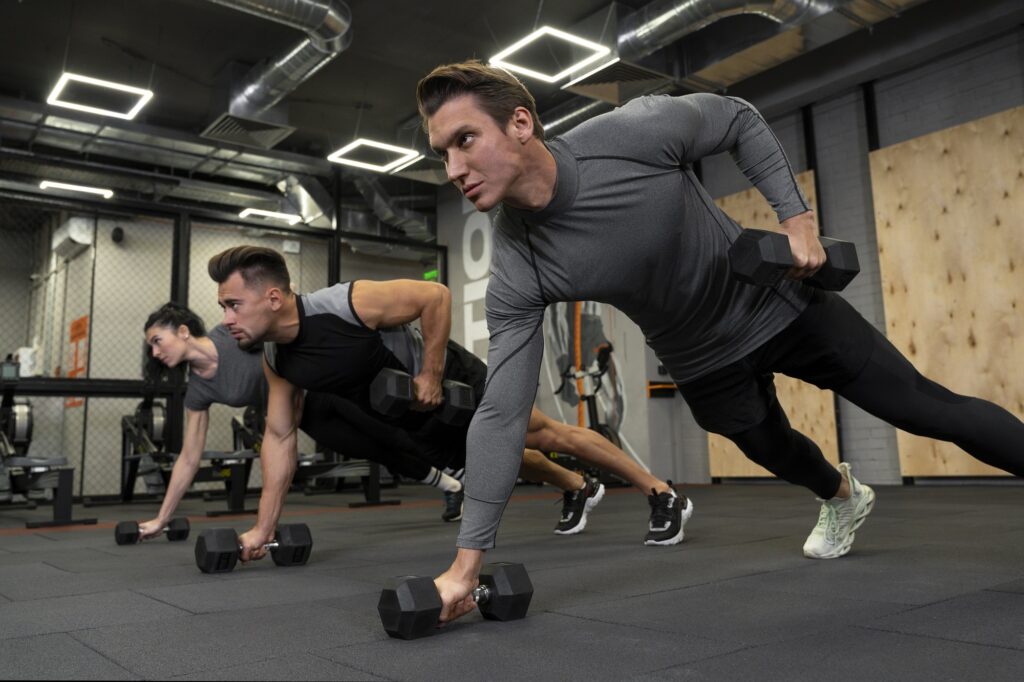
Functional fitness training has become increasingly popular in recent years, and for good reason. This form of exercise focuses on movements that mimic the natural motions of daily life, such as bending, lifting, squatting, and twisting. By enhancing strength, coordination, and flexibility in ways that matter most, functional fitness offers a range of benefits for people of all ages and fitness levels. Whether you’re a seasoned athlete or just getting started, incorporating functional training into your routine can significantly improve your overall health and quality of life. What is Functional Fitness Training? Functional fitness training involves exercises that help your body perform everyday activities with ease. The goal is not just to get stronger or build muscle, but to improve your overall body transformation and functional capacity. This means working on movements that improve balance, coordination, mobility, and endurance — all key components that make everyday tasks feel easier. The exercises often combine multiple muscle groups and focus on training the body as a whole rather than isolating specific muscles. Some common functional movements include squats, lunges, deadlifts, push-ups, and rotational exercises. These movements are designed to work on the body’s core, stability, and flexibility, making them especially beneficial for individuals who want to increase their performance in everyday life and sports. 1. Improved Strength and Endurance Functional fitness is an excellent way to build strength because it targets both the larger muscle groups and the smaller stabilizing muscles. The compound movements involved in functional training require the body to work as a unit, improving overall strength and endurance. For instance, exercises like kettlebell swings, squats, and burpees engage multiple muscle groups at once, increasing your cardiovascular endurance while building strength. This holistic approach to training and body transformation means that your muscles learn to work together more efficiently, enhancing your endurance for daily activities. Whether you’re lifting groceries, carrying children, or doing home repairs, functional training ensures that you have the strength and stamina to handle whatever life throws at you. 2. Better Balance and Coordination Functional fitness training helps to improve balance and coordination by focusing on movements that engage the core and require stabilization. Core strength is vital for maintaining balance in everyday life, as it supports proper posture and alignment. Exercises such as single-leg squats, planks, and medicine ball throws require coordination between various body parts. By improving these aspects, functional training helps to reduce the risk of falls, especially as you age. This is crucial for maintaining independence and preventing injuries that can occur due to a lack of balance or coordination. 3. Enhanced Flexibility and Mobility Flexibility and mobility are integral components of functional fitness. Many of the exercises, such as lunges and hip stretches, encourage joint mobility and flexibility, which are necessary for maintaining an active and pain-free lifestyle. Regular functional training improves your range of motion, making it easier to perform activities like bending over to pick up an object or reaching for something on a high shelf. Better flexibility also helps reduce muscle stiffness and tension, which can be a source of discomfort or injury, particularly as we get older. 4. Reduced Risk of Injury One of the key benefits of functional fitness is its ability to reduce the risk of injury. By training the body to move efficiently and strengthening the muscles that support the joints, functional fitness helps improve overall body mechanics. This makes the body more resilient to stress and less prone to injuries. For example, strengthening the muscles around your knees, hips, and ankles through functional exercises can help prevent injuries related to running, jumping, and sudden movements. Additionally, functional training helps to improve posture and alignment, which can alleviate strain on the back and shoulders. Proper posture during functional exercises can translate to better posture in everyday activities, reducing the likelihood of overuse injuries caused by poor body mechanics. 5. Improved Athletic Performance Whether you’re an avid runner, a swimmer, or a cyclist, functional fitness can help improve your athletic performance by focusing on the specific movements required in your sport. For example, a runner would benefit from exercises that improve hip flexibility, ankle strength, and core stability, while a swimmer might focus on upper body mobility and shoulder strength. By improving your body’s range of motion, flexibility, strength, and endurance, functional fitness training supports better performance across a variety of sports. This type of training can enhance your stamina, speed, and power, allowing you to push your limits and achieve your athletic goals. 6. Better Posture and Alignment Functional fitness training is designed to improve your overall body awareness, which has a direct impact on posture and alignment. Many functional exercises strengthen the muscles that support the spine and promote proper posture, such as the core, lower back, and shoulder muscles. When you improve your posture, it can help relieve discomfort caused by slumping or poor alignment. This is particularly important for individuals who sit at desks for extended periods or spend long hours in front of a screen. By practicing functional movements that emphasize alignment and body control, you can correct imbalances that contribute to poor posture and chronic pain. 7. Increased Mobility in Older Adults As we age, we naturally lose muscle mass and joint flexibility, which can limit our ability to perform everyday tasks. Functional fitness training helps older adults maintain their mobility and independence by focusing on exercises that mimic daily movements, such as getting in and out of a chair, climbing stairs, or carrying groceries. By regularly engaging in functional training, older adults can experience improved balance, flexibility, and strength, which all contribute to a higher quality of life. Additionally, functional exercises help reduce the risk of falls, a common concern for seniors, by improving coordination and stability. 8. Mental and Emotional Benefits Functional fitness training isn’t just about physical strength — it also offers a range of mental and emotional benefits. Exercise, in general, has been shown to reduce stress, anxiety, and depression. When you engage in functional