Why Some People Sweat More During Workouts

When it comes to exercising, sweat is often seen as a sign of hard work and effort. However, not everyone sweats the same amount during their workout sessions. Some people seem to sweat more than others, and this can raise questions: Is there something wrong with them? Is it a sign of a better workout or just a normal variation in the way our bodies function? Let’s dive into why some people sweat more during workouts and what it means for your fitness journey. The Science of Sweating Sweating is the body’s natural way of regulating temperature. As you exercise for body transformation, your muscles generate heat. To prevent overheating, your body activates sweat glands to cool you down through evaporation. Sweating is essential for maintaining optimal body temperature and avoiding heat-related issues like heat stroke. Your body contains two types of sweat glands: Sweating during a workout can vary based on factors like intensity, environment, and individual characteristics. Let’s explore why some people may sweat more than others. 1. Fitness Level It might seem counterintuitive, but more physically fit people often sweat more. When you exercise regularly, your body becomes more efficient at cooling itself down. As your body transformation fitness level improves, your cardiovascular system gets better at handling physical stress, leading to an increased rate of sweat production. For example, a seasoned runner or someone who regularly participates in high-intensity workouts will sweat more quickly and in higher volumes compared to someone just starting their fitness journey. This is because their bodies have adapted to regular exercise, meaning the body kicks into cooling mode sooner and more efficiently. 2. Genetics and Body Type Genetics plays a significant role in determining how much a person sweats. Some individuals are naturally predisposed to sweat more, thanks to their sweat glands’ activity levels. If your family members tend to sweat a lot, there’s a good chance that you’ll sweat more than others, too. Body size and composition also come into play. Larger individuals tend to sweat more simply because they have more muscle mass and body fat, both of which generate more heat. Likewise, people with higher body fat percentages may sweat more because their bodies work harder to regulate temperature. People with more muscle mass can also sweat more due to the higher energy expenditure required during physical activity and body transformation. 3. Environmental Factors The environment where you work out can significantly affect how much you sweat. Hot and humid conditions force your body to sweat more to cool down. If you’re exercising outdoors in the summer or in an indoor gym with poor ventilation, expect to sweat more than you would in a cool, dry environment. Humidity, in particular, can be tricky. When the air is saturated with moisture, sweat evaporates less efficiently, and your body compensates by producing even more sweat during workouts. Conversely, dry heat allows sweat to evaporate faster, but it can still be uncomfortable, leading to more sweat. 4. Hydration and Diet What you consume before and after a workout can influence your sweat production. Staying well-hydrated is crucial for maintaining proper sweat function. Dehydration can reduce your body’s ability to sweat efficiently, leading to heat exhaustion or heat stroke. On the other hand, being well-hydrated helps your body produce sweat that cools you down faster and more effectively. Certain foods and drinks can also make you sweat more. Spicy foods, caffeine, and alcohol can increase sweat production by stimulating your sweat glands. Caffeine, in particular, is a stimulant that elevates your heart rate, which increases your body temperature and leads to more sweat. 5. Hormones and Stress Hormones play a significant role in how much you sweat. Men and women can experience different sweating patterns due to hormonal fluctuations. Women may sweat more during the second half of their menstrual cycle due to changes in hormone levels. Similarly, stress-induced sweating, often called “nervous sweat,” can make you sweat more during intense workouts or stressful situations. This type of sweat is produced by the apocrine glands and is typically thicker and odoriferous. 6. Health Conditions and Medications Some medical conditions can cause excessive sweating during exercise. Known as hyperhidrosis, this condition leads to abnormally high sweat production, even when not physically exerting yourself. Conditions like thyroid disorders, obesity, diabetes, and certain heart conditions can also increase sweating during exercise, as these issues can affect the body’s temperature regulation mechanisms. Moreover, some medications may contribute to excessive sweating. Medications used to treat depression, anxiety, and pain, among others, may disrupt the body’s natural temperature regulation and lead to excessive sweating during physical activity. What Does Sweating More Mean? Sweating more during a workout generally isn’t a bad thing. It’s a sign that your body is working hard to maintain its temperature and is adapting to the physical demands placed on it. If you’re someone who sweats a lot, it’s a sign that your body is efficient at regulating heat. However, hyperhidrosis or excessive sweating could indicate underlying health issues, especially if it occurs without any physical exertion or is accompanied by other concerning symptoms. Conclusion While some people sweat more than others during workouts, it’s essential to remember that this variation is usually perfectly normal. Your fitness level, body type, environment, diet, hormones, and even genetics all play a role in determining how much you sweat. Embrace the sweat—it’s a sign that your body is working hard to keep you cool and healthy during exercise! However, if you experience abnormal sweating, it’s always worth consulting a healthcare professional to rule out potential health concerns.
Outdoor Fitness Ideas for Every Season

Staying fit doesn’t have to mean being confined to a gym. Outdoor fitness allows you to experience nature, enjoy fresh air, and break free from the monotony of indoor workouts. Whether it’s the crisp air of fall, the chill of winter, the warmth of summer, or the bloom of spring, there are plenty of ways to stay active outdoors all year round. Here’s a guide to outdoor fitness ideas for each season to help you stay healthy and motivated. Spring: Embrace the Blooming Season As the weather warms up and nature begins to bloom, spring is the perfect time to shake off the winter blues and reintroduce outdoor activities into your routine. Summer: Soak Up the Sun The sunny days of summer bring endless outdoor fitness opportunities. This is the season to take advantage of long days, warm weather, and outdoor sports. Fall: Enjoy the Crisp Air and Colorful Leaves The cooler temperatures and vibrant foliage of fall create the perfect environment for outdoor fitness. Fall is a great time for those who want to enjoy a variety of activities without the heat of summer. Winter: Embrace the Chill and Stay Active Winter often deters many from exercising outdoors, but with the right mindset and preparation, this season can offer exciting fitness opportunities. Tips for Outdoor Fitness Year-Round Conclusion Outdoor fitness offers endless opportunities to stay active and healthy, regardless of the season. By embracing the unique conditions each season offers, you can keep your workouts fresh, fun, and motivating. Whether it’s hiking through fall foliage, swimming in the summer heat, or cross-country skiing in winter, there’s an outdoor activity to match every interest and fitness level. So, step outside and make the most of each season — your body (and mind) will thank you!
How to Track Your Progress without Obsessing Over the Scale?

When it comes to health and fitness goals, the scale is often considered the ultimate indicator of success. But relying solely on the number on the scale to measure progress can lead to unnecessary stress and an unhealthy relationship with your body. Weight fluctuates due to many factors, and it doesn’t always reflect the improvements you’re making in terms of strength, fitness, or overall well-being. Fortunately, there are several other ways to track your progress that don’t involve stepping on the scale. Here’s how to track your progress effectively without obsessing over the number on the scale: 1. Focus on How You Feel One of the most important indicators of progress is how you feel physically and emotionally. Are you feeling more energized throughout the day? Are you noticing improvements in your mood, sleep, or mental clarity? These intangible factors are a clear sign that your efforts are paying off, even if the scale doesn’t budge. Make it a habit to check in with yourself regularly. Track how your body feels after workouts and body transformation—whether you’re recovering quicker or feeling less sore. Pay attention to your energy levels and your overall outlook on life. These changes often happen long before any noticeable weight loss occurs and can provide a more sustainable sense of progress. 2. Monitor Your Strength and Fitness Gains One of the most rewarding aspects of a fitness journey is seeing your strength and endurance improve over time. Whether you’re lifting heavier weights, running longer distances, or mastering new yoga poses, these milestones are proof of your hard work. You don’t need to rely on the scale to see improvements in your fitness. Instead, track your performance with a workout journal or a fitness app. Record your workouts, noting the weights you’re lifting, the number of reps or sets you’re completing, or the time it takes you to run a certain distance. As you progress, you’ll notice that you’re pushing yourself harder and achieving more than you did when you first started. 3. Track Your Measurements While the scale only shows a single number, body measurements can provide a more complete picture of your progress. Taking measurements of your waist, hips, thighs, arms, and chest can reveal changes in your body composition, even when the scale doesn’t change much. These measurements are key indicators of your overall body transformation, helping you track improvements beyond just weight. Keep in mind that muscle weighs more than fat, so as you build muscle and lose fat, the scale may stay the same, but your body could be transforming. Use a soft measuring tape to take your measurements every 4-6 weeks and record the results. This can help you see changes in areas like your waistline or thighs, which might not show up on the scale right away. 4. Take Progress Photos Sometimes, the changes in your body are more visible than the scale lets on. Taking progress photos can be an incredibly powerful tool for tracking your transformation. By comparing photos taken at regular intervals—such as weekly or monthly—you can see subtle changes that may not be as noticeable day-to-day. When taking progress photos, try to use the same lighting, pose, and time of day to ensure consistency. These visual reminders can keep you motivated and provide an objective way to track your progress, even when the scale seems stubbornly stuck. 5. Listen to Your Clothes One of the easiest ways to gauge progress is by paying attention to how your clothes fit. If your pants are looser, your shirt fits differently, or you notice you’re pulling up your waistband more often, it’s a sign that your body is changing. Rather than focusing on whether you’ve lost pounds, track how your clothes feel over time. Keep a favorite pair of jeans or a dress that you can use as a baseline. When it becomes easier to wear them, or you can see that they’re fitting better, you’ll know you’re making progress. 6. Set Non-Scale Goals One of the best ways to stay motivated is by setting non-scale goals. These are goals that focus on performance, habits, and lifestyle rather than a specific weight. For example, you might aim to walk 10,000 steps a day, drink more water, or reduce stress through meditation. Non-scale goals help you stay focused on the bigger picture of health and well-being, rather than just the number on the scale. They can give you a sense of accomplishment and pride as you achieve them, regardless of what the scale says. These types of goals also promote a healthier, more balanced approach to fitness, which can lead to long-term success. 7. Celebrate Non-Physical Achievements Your fitness journey is about so much more than physical changes. Celebrate other achievements like improved mental clarity, better sleep, or even an increase in your self-esteem. These milestones are just as valuable as weight loss, and they contribute to your overall sense of well-being. Take a moment to recognize when you’ve hit milestones such as running your first 5k, cooking healthier meals, or prioritizing self-care. These are the moments that help keep you motivated and give you a deeper sense of fulfillment than simply seeing a lower number on the scale. Conclusion Tracking progress is essential for staying motivated, but it’s important to remember that the scale doesn’t tell the full story. By focusing on how you feel, tracking your fitness progress, taking measurements, celebrating non-physical milestones, and listening to your body, you’ll have a much more holistic and healthy approach to measuring your journey. Remember, true progress is about making consistent, sustainable changes to improve your overall health and well-being—not just about what the scale says. Embrace the journey, and celebrate the victories that go far beyond the numbers.
Building Endurance: Top Exercises for Stamina and Energy

Endurance training is essential for improving stamina, energy levels, and overall fitness. Whether you’re an athlete training for a race, a fitness enthusiast, or someone simply aiming to improve your energy levels, increasing your endurance can significantly enhance your daily life. Building endurance involves gradually improving the body’s ability to sustain physical effort over longer periods, which not only boosts stamina but also strengthens the cardiovascular system, muscles, and mental resilience. In this article, we will explore top exercises that can help you build endurance, improve stamina, and increase your energy levels. Let’s dive into the key exercises you can incorporate into your fitness and body transformation routine to boost your endurance. 1. Running or Jogging Running or jogging is one of the most effective exercises for improving endurance. It engages multiple muscle groups, including the legs, core, and cardiovascular system, making it an excellent cardiovascular workout. Regular running or jogging increases heart rate, strengthens the heart, and improves oxygen uptake, which directly translates into better stamina. How to Get Started: Tips: Ensure you maintain proper form while running to avoid injuries, and incorporate rest days to allow your body to recover. 2. Cycling Cycling is another great endurance exercise that engages the lower body muscles, particularly the quadriceps, hamstrings, calves, and glutes. It’s also gentle on the joints, making it suitable for people of all fitness and body transformation levels. Cycling improves cardiovascular health, boosts leg strength, and builds stamina over time. How to Get Started: Tips: Incorporate cycling into your routine at least 2-3 times per week for optimal results, and make sure your bike is properly adjusted to avoid discomfort. 3. Swimming Swimming is a full-body workout that enhances cardiovascular endurance and builds strength in both the upper and lower body. The resistance of water makes swimming a low-impact exercise that is easy on the joints while still providing an excellent workout. It’s especially beneficial for improving stamina, as it requires sustained effort to keep moving against the resistance of water. How to Get Started: Tips: Be mindful of your breathing technique when swimming, as proper breathing will help you maintain your stamina and improve your efficiency in the water. 4. HIIT (High-Intensity Interval Training) HIIT involves alternating between short bursts of intense activity and periods of rest or low-intensity exercise. This form of training is ideal for improving both cardiovascular and muscular endurance. HIIT workouts are typically short but very effective, making them perfect for people with limited time. They help build stamina quickly by pushing your body to work at maximum capacity for short periods. How to Get Started: Tips: It’s important to push yourself during the high-intensity intervals but to listen to your body to avoid overexertion. 5. Rowing Rowing is another excellent exercise for building endurance, as it works both the upper and lower body. The rowing motion activates your legs, back, arms, and core, making it a full-body workout that enhances cardiovascular endurance. Rowing also improves muscle endurance and increases stamina. How to Get Started: Tips: Maintain good posture while rowing to prevent strain on your back and shoulders. 6. Jump Rope Jumping rope is a simple yet highly effective exercise for building endurance and stamina. It’s a full-body workout that improves cardiovascular health, foot speed, coordination, and agility. Jump rope exercises also help tone the legs, arms, and core, providing an all-around workout that boosts stamina. How to Get Started: Tips: Ensure your jump rope is the correct length for your height, and jump on a soft surface to reduce impact on your joints. 7. Circuit Training Circuit training involves performing a series of exercises in a row with minimal rest in between. It can include strength exercises (like push-ups or squats) along with cardiovascular moves (like jumping jacks or running in place). This combination is effective for building both muscle endurance and cardiovascular stamina. How to Get Started: Tips: Focus on proper form and technique during each exercise to prevent injury. Conclusion Building endurance is a gradual process, but with consistent effort and dedication, you’ll notice improvements in your stamina and energy levels. Incorporating a variety of exercises, such as running, cycling, swimming, HIIT, and circuit training, will keep your workouts engaging and help you build endurance in different ways. As you get stronger, you can progressively increase the intensity, duration, and complexity of your workouts to continue challenging your body. Remember, the key to improving endurance is consistency. Stay committed to your fitness routine, listen to your body, and rest when necessary. With time, you’ll see significant gains in both your physical endurance and overall energy levels. So, get moving and start building that stamina today!
The Benefits of Functional Fitness Training
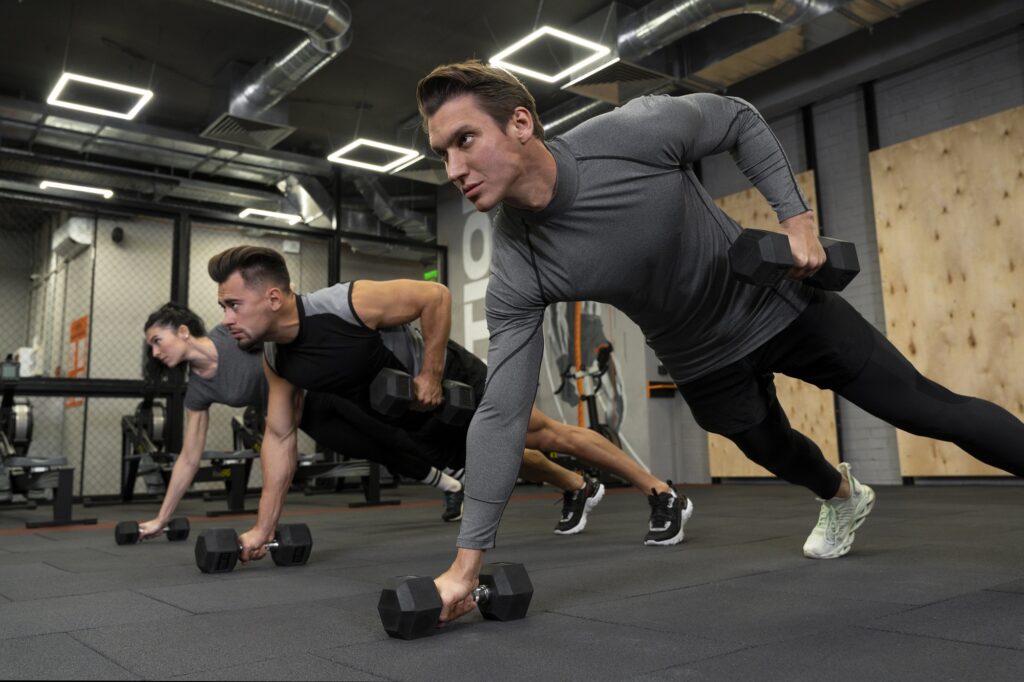
Functional fitness training has become increasingly popular in recent years, and for good reason. This form of exercise focuses on movements that mimic the natural motions of daily life, such as bending, lifting, squatting, and twisting. By enhancing strength, coordination, and flexibility in ways that matter most, functional fitness offers a range of benefits for people of all ages and fitness levels. Whether you’re a seasoned athlete or just getting started, incorporating functional training into your routine can significantly improve your overall health and quality of life. What is Functional Fitness Training? Functional fitness training involves exercises that help your body perform everyday activities with ease. The goal is not just to get stronger or build muscle, but to improve your overall body transformation and functional capacity. This means working on movements that improve balance, coordination, mobility, and endurance — all key components that make everyday tasks feel easier. The exercises often combine multiple muscle groups and focus on training the body as a whole rather than isolating specific muscles. Some common functional movements include squats, lunges, deadlifts, push-ups, and rotational exercises. These movements are designed to work on the body’s core, stability, and flexibility, making them especially beneficial for individuals who want to increase their performance in everyday life and sports. 1. Improved Strength and Endurance Functional fitness is an excellent way to build strength because it targets both the larger muscle groups and the smaller stabilizing muscles. The compound movements involved in functional training require the body to work as a unit, improving overall strength and endurance. For instance, exercises like kettlebell swings, squats, and burpees engage multiple muscle groups at once, increasing your cardiovascular endurance while building strength. This holistic approach to training and body transformation means that your muscles learn to work together more efficiently, enhancing your endurance for daily activities. Whether you’re lifting groceries, carrying children, or doing home repairs, functional training ensures that you have the strength and stamina to handle whatever life throws at you. 2. Better Balance and Coordination Functional fitness training helps to improve balance and coordination by focusing on movements that engage the core and require stabilization. Core strength is vital for maintaining balance in everyday life, as it supports proper posture and alignment. Exercises such as single-leg squats, planks, and medicine ball throws require coordination between various body parts. By improving these aspects, functional training helps to reduce the risk of falls, especially as you age. This is crucial for maintaining independence and preventing injuries that can occur due to a lack of balance or coordination. 3. Enhanced Flexibility and Mobility Flexibility and mobility are integral components of functional fitness. Many of the exercises, such as lunges and hip stretches, encourage joint mobility and flexibility, which are necessary for maintaining an active and pain-free lifestyle. Regular functional training improves your range of motion, making it easier to perform activities like bending over to pick up an object or reaching for something on a high shelf. Better flexibility also helps reduce muscle stiffness and tension, which can be a source of discomfort or injury, particularly as we get older. 4. Reduced Risk of Injury One of the key benefits of functional fitness is its ability to reduce the risk of injury. By training the body to move efficiently and strengthening the muscles that support the joints, functional fitness helps improve overall body mechanics. This makes the body more resilient to stress and less prone to injuries. For example, strengthening the muscles around your knees, hips, and ankles through functional exercises can help prevent injuries related to running, jumping, and sudden movements. Additionally, functional training helps to improve posture and alignment, which can alleviate strain on the back and shoulders. Proper posture during functional exercises can translate to better posture in everyday activities, reducing the likelihood of overuse injuries caused by poor body mechanics. 5. Improved Athletic Performance Whether you’re an avid runner, a swimmer, or a cyclist, functional fitness can help improve your athletic performance by focusing on the specific movements required in your sport. For example, a runner would benefit from exercises that improve hip flexibility, ankle strength, and core stability, while a swimmer might focus on upper body mobility and shoulder strength. By improving your body’s range of motion, flexibility, strength, and endurance, functional fitness training supports better performance across a variety of sports. This type of training can enhance your stamina, speed, and power, allowing you to push your limits and achieve your athletic goals. 6. Better Posture and Alignment Functional fitness training is designed to improve your overall body awareness, which has a direct impact on posture and alignment. Many functional exercises strengthen the muscles that support the spine and promote proper posture, such as the core, lower back, and shoulder muscles. When you improve your posture, it can help relieve discomfort caused by slumping or poor alignment. This is particularly important for individuals who sit at desks for extended periods or spend long hours in front of a screen. By practicing functional movements that emphasize alignment and body control, you can correct imbalances that contribute to poor posture and chronic pain. 7. Increased Mobility in Older Adults As we age, we naturally lose muscle mass and joint flexibility, which can limit our ability to perform everyday tasks. Functional fitness training helps older adults maintain their mobility and independence by focusing on exercises that mimic daily movements, such as getting in and out of a chair, climbing stairs, or carrying groceries. By regularly engaging in functional training, older adults can experience improved balance, flexibility, and strength, which all contribute to a higher quality of life. Additionally, functional exercises help reduce the risk of falls, a common concern for seniors, by improving coordination and stability. 8. Mental and Emotional Benefits Functional fitness training isn’t just about physical strength — it also offers a range of mental and emotional benefits. Exercise, in general, has been shown to reduce stress, anxiety, and depression. When you engage in functional
Why Losing Weight Isn’t Always Easy
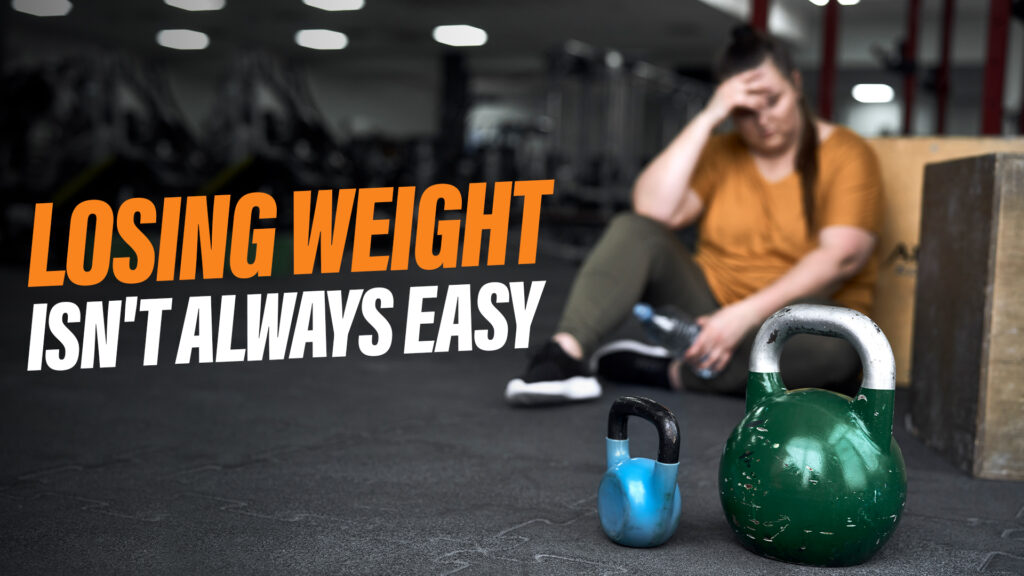
Have you ever wondered why losing weight feels like climbing Everest for some and a Sunday stroll for others? It turns out there’s more to the story than merely cutting calories and hitting the gym. Let’s unravel why dropping pounds isn’t always as simple as it seems. The Irony of Weight Loss Don’t you think? Isn’t it ironic how the food that kept us alive now makes weight loss a tricky challenge? Back in the day, when food was scarce, our bodies were designed to store fat for survival. This ability to acquire fat was a lifesaver during times of famine. But in today’s world, where food is everywhere, this same mechanism works against us. Our bodies are still wired to hold onto fat and, making it harder to shed those extra pounds. We were built for survival in the past, but now we face the effects of living in a world of abundance. Understanding our body’s survival mechanisms can help us take a more thoughtful and lasting approach to achieving our goals. Understanding the Physiology Behind Diet Failures The weight loss journey can be frustrating. We’ve all heard it before just burn more calories than you eat, and your weight will start to drop. But it’s definitely more than just eating less and moving more. A significant part of this struggle lies in our body’s physiological responses to calorie restriction. You think of your body as a super-complex machine where many factors influence weight management: Drop in Basal Metabolic Rate (BMR): When we cut calories, our basal metabolic rate decreases. This adaptation helps our bodies conserve energy, making it more challenging to continue losing weight over time. Move It or Lose It: Your daily activity level outside the regular exercise plays a big role. So, if you feel like doing nothing and sitting all day after an intense workout session of two hours, this is not all for you. In fact, studies show that reduced caloric intake often leads to decreased physical activity or N.E.A.T (non-exercise activity thermogenesis). As our bodies naturally preserve energy when we lose weight, we often find ourselves moving less. This not only reduces our energy expenditure but also encourages fat storage. Hunger Games: It’s not just about resisting that donut; your hunger signals and appetite are influenced by more than just willpower. Hormones like ghrelin and leptin play their own roles in deciding when you feel hungry or full, making it feel like you’re in a never-ending battle. Sometimes, no matter how much you eat, your body tells you it’s not enough. This is known as the “starvation response to calorie deficit and weight loss.” A classic example of this comes from the Minnesota Semi-Starvation Study, conducted in the mid-20th century. In a six-month study, lean male participants were given only half of their needed calories while walking 5-6 miles daily. By the end of the study, their body fat dropped to around 5%. After being allowed to eat normally again, they quickly regained fat and even exceeded their original body fat levels. Because of the drop in leptin and high ghrelin, the increased hunger and cravings drive us to eat more food, often resulting in regaining weight—sometimes even exceeding it. By understanding these physiological responses, we can better navigate the complexities of weight loss. Your Tribe Defines Your Life: We are living in an obesogenic environment, where highly palatable caloric-dense food is available in abundance, and technology has given us an extra excuse to limit physical activity whenever convenient. In an environment like that, trying to lose pounds feels like an uphill battle. It is important to realize that willpower and determination are also limited resources that can only last for so long. It is important to pay attention to your surroundings rather than relying only on your dedication. Genetics: Genes are key players in your weight loss journey. If obesity runs in your family or you face certain challenges growing up, here’s the truth: you might have a tougher road ahead. Research shows that if your family has a history of obesity, you’re more likely to face similar struggles. You can’t compare your weight loss journey to someone who loses weight effortlessly. So, it’s not about how much an individual puts effort into it because there’s a lot going on behind the scenes. Health Education: The obesity epidemic has come to be a societal challenge, not just a personal one. Now, it’s essential that governments step up and provide access to health education and awareness so people can make informed choices for a healthier lifestyle. Studies have shown a significant impact of education on blood pressure and obesity could be one of the major approaches to reducing the prevalence of obesity, hypertension, and other obesity-related diseases. Financial Constraints: The ever-so-high inflation and financial constraints can also affect how easy or hard it is to manage your weight. While the unhealthy food is cheap healthy options are treated as luxury and financial strain can limit access to healthy food and fitness options, making it harder to stay on track. My Advice is to “Find Strength in Your Story”: The weight loss journey is unique for everybody. Not everyone faces the same challenges and rewards on their journey to better health, and that’s perfectly okay. If you’re navigating a different path, I encourage you to use the set of cards you deal with; instead of worrying about the “cards” you cannot control, embrace acceptance and then adapt. Be part of the supportive communities around that provide honest communication, credible Advice, and shared goals. The road may be bumpy, but you will find strength in your story by recognizing and sharing your experiences. The Bottom Line Losing weight might not be easy, but understanding the bigger picture makes it a bit less challenging. It’s not just about the number on the scale; it’s about empathizing with your struggles, making healthier choices, and celebrating small wins along the way.
TOP 8 DAILY FAT LOSS HABITS

Losing fat isn’t just about dieting and training hard; it’s about carefully building a lifestyle that supports lasting results. While the end goal might seem daunting, the journey doesn’t have to be overwhelming. The key is to take small steps and turn them into sustainable habits that become second nature. When starting your fat loss journey, the internet can overwhelm you with countless tips and strategies. But don’t worry—losing fat isn’t an impossible mission if you start it right. If you want to feel healthier and more energized but don’t know where to start, here is a set of small habits that can significantly improve your health and fitness. Imagine your habits as building blocks—you wouldn’t try to construct a whole house at once, would you? The same goes for your health. Follow a step-by-step strategy and believe in the process so you can achieve your health goals by picking one habit at a time. Let’s explore a simple yet powerful principle: “The Power of Tiny Steps” Start by choosing one habit from the list below and committing to it for the next 14 days. Think of it as a mini-challenge. Once you’ve made that habit part of your lifestyle, move on to the next one and stick with it as you did the first. This approach helps you avoid feeling burdened, and each habit becomes firmly rooted in your routine. Here’s the order I follow, but feel free to pick what works best for you. 1. Sips Over Scrolls (Drink 3-4 Liters of Water a Day) Keep your water bottle close, just like you do with your phone, and take sips regularly throughout the day. Using a bottle helps you monitor your intake, keeping you hydrated and refreshed. When you can see how much water you’re drinking, it not only keeps you motivated but also supports your overall well-being. Make water your go-to drink whenever possible. Always choose it over sugary beverages like soda or juice, which are loaded with simple sugars and extra calories. Water is essential for countless bodily functions, including digestion and nutrient absorption. Staying hydrated can also curb cravings and keep you feeling fuller for longer. Try to drink at least 3 to 4 liters of water every day. 2. Sweet and Sound Sleep, Not Endless Streams Rest is your body’s reset button. Adequate sleep regulates hormones that influence hunger and metabolism. Sleep is as essential as eating, drinking, and breathing. Circadian rhythms, our natural body clocks, work with light and darkness to tell us when to sleep, wake up, and eat. We often spend our best hours of sleep in front of screens or binge-watching Netflix, which might not seem harmful right now but could damage your health in the long term. Following circadian rhythm helps us stay healthy, feel more energetic, and improve our mood. it’s important to limit screen time, especially before bed. During sleep, your body undergoes various processes and stages that help maintain healthy brain function and physical health. Not getting proper sleep can lead to problems such as poor mental health, low recovery, fatigue, and lower academic and work performance. Get 7-9 hours of quality sleep each night, including naps during the day if needed. 3. Go Lean with Protein Try to add a portion of protein to every meal. Examples of good sources of protein are chicken, beef, mutton, fish, eggs, cottage, etc. Protein is a super important macronutrient: it builds muscle, helps balance hormones, stabilizes appetite, controls sugar cravings, improves bone health, strengthens hair, nails, and skin, and improves brain health. Only adding protein to every meal will improve food cravings, blood sugar imbalances in the immune system, and symptoms of fatigue and weakness. 4. Greens Over Grains in Every Meal Make vegetables your new go-to option in your meals as they’re packed with nutrients and fiber, keeping you satisfied without adding extra calories. Swapping grains for veggies at every meal is a simple change that can transform your diet and life. A plate full of colorful, delicious vegetables is packed with essential vitamins, minerals, and fiber. This not only creates a nutrient-dense foundation for your meals but also boosts your immune system, aids digestion, and potentially reduces your risk of chronic diseases. Think about how great it feels when your blood sugar levels are steady and you’re not constantly hungry. The high fiber in vegetables can help control blood sugar levels and boost a sense of fullness, which supports your weight management goals. 5. Four Cups a Day, the Veggie Way We discussed earlier that we should use more vegetables and fewer grains. But how much more is enough for a day? To make sure you’re getting enough vegetables, make it a habit to add at least four 1-cup servings to your daily diet. This easy goal helps you meet your nutritional needs and keeps your meals balanced. Vegetables are a great source of nutrients, low in calories and fat, with complex carbohydrates that provide energy without causing blood sugar spikes. Whether it’s a cup of mixed greens with lunch, a side of steamed broccoli at dinner, or even some raw carrots for a snack, just keep track of those servings throughout the day. It’s an easy way to boost your health and add variety to your meals. 6. Listen to Your Body, Not Your Plate Listen to your body’s hunger cues. Instead of stuffing yourself, stop eating before you feel completely full. This mindful approach helps you avoid overeating and connect with your body’s natural signals of hunger and fullness. Here is a tip: if you do not know when to stop eating. Look at your plate, decide how much you might need to feel full, and then assess what 80% of that amount of food would look like. Then eat that amount. You will feel satisfied and not hungry anymore. This habit helps you enjoy your meal and feel satisfied without the discomfort of overeating. 7. Strength Training For Strong Body Strength training
What is Online Personal Training and Is It Worth It?

In the age of digital convenience, everything from shopping to socializing has moved online. So, it’s no surprise that personal training has followed suit. But what exactly is online personal training, and more importantly, is it worth your time, money, and effort? Let’s find out what online personal training is all about, and why it might just be the game-changer you didn’t know you needed. Your First Scroll Starts Your Training… Yes, you heard it right. To understand online personal training; Picture this: You wake up in the morning, grab your phone, and instead of scrolling through social media, you check your personalized workout plan sent by your trainer. No need to rush to the gym or rearrange your schedule for a workout session—you have everything you need right at your fingertips. In simple words, online personal training is lifestyle coaching that’s delivered virtually. It could be through workout videos, live sessions, customized nutrition, personalized training plans, or even real-time messaging with your coach. It’s designed to be flexible, convenient, and designed to your specific goals, whether you’re aiming to lose weight, build muscle, or simply stay active. Is It Really Worth Your Time and Money? Let’s Break It Down. Now, let’s address the big question: Is online personal training worth it? To answer that, we need to look at what you’re really getting and how it stacks up against other ways you could spend your time and money. 1. Unmatched Convenience Workout Whenever, Wherever: Imagine the freedom of working out on your terms. Online personal training allows you to exercise whenever it suits you, without being tied to a specific time or location. Whether you’re at home, in a hotel, or even outdoors, your workout plan is just a click away. No More Commutes: Skip the traffic, parking hassles, and crowded gyms. Your commute to your workout space is now just a few steps to your living room, bedroom, or backyard. This convenience alone can be a huge motivator, making it easier to stick to your fitness routine. 2. A Program Just for You Personalized Plans: One size does not fit all, especially when it comes to health and fitness. With online personal training, your workouts are customized to fit your needs and goals. Whether you’re managing a health condition, aiming for a specific goal, or just getting started, your trainer designs a plan that’s all about you. Holistic Approach to Well-being: Dr. Waseem Fitness (DWF) takes a holistic approach. Our experienced team of dietitians, trainers, lifestyle coaches, psychologists, pharmacists, and physiotherapists work together to ensure you get a well-rounded program that addresses your body and mind. If you are facing challenges with your workout plan, our experienced physiotherapist can remove this hurdle and help you start your fitness journey. 3. Cost-Effective Fitness Save More, Gain More: Let’s talk money. Traditional in-person training can be expensive, especially when you add in gym memberships and travel costs. Online training typically comes at a fraction of the cost, giving you access to professional coaching without disturbing your budget. A Priceless Investment: Think of online personal training as an investment in your health, not an expense. The benefits of regular exercise, a balanced diet, and a healthy lifestyle are immeasurable. We often spend on dining out, fast food, and expensive medications—this is nothing compared to these expenses. You’re not just spending money—you’re investing in a longer, healthier, and more fulfilling life. 4. Support That Keeps You Going 24/7 Access to Your Trainer: One of the best things about online training is the constant support. Whether you have a quick question, need motivation, or want to share a milestone, your trainer is just a message away. This level of support can make a world of difference in staying committed to your goals. Expert Guidance Whenever You Need It: Even without a community, you still get top-notch expertise. Your trainer can offer advice, adjust your plan, and provide solutions to any challenges you face. This ongoing guidance ensures you’re never alone on your fitness journey. 5. Flexibility and Variety Workouts that Fit Your Routine: Life doesn’t always go as planned, and neither do workout schedules. Online personal training offers the flexibility to adapt your workouts as needed. Whether you’re injured, traveling, or just need a change, your trainer can adjust your plan to keep you on track. Wellness in Every Aspect: Our center’s team isn’t just about fitness. We have experts in nutrition, mental health, and physical therapy, ensuring that every aspect of your well-being is covered. This variety of expertise can be crucial in addressing all facets of your health. Wrapping It Up: Health is the Ultimate Luxury At the end of the day, the question isn’t whether online personal training is worth it—it’s whether you believe your health is worth it. In a world where we spend so much on things that bring temporary happiness, investing in your health should be a no-brainer. Online personal training offers convenience, customization, and support that make it easier than ever to achieve your health goals. And let’s be honest—no luxury can replace the feeling of being healthy and full of energy. So, if you’re on the fence about online personal training, consider this: it’s not just about getting fit; it’s about embracing a lifestyle that puts your health first. And that, without a doubt, is worth every penny.