
Why Motivation Fades and How Exercise Habits Keep You Going
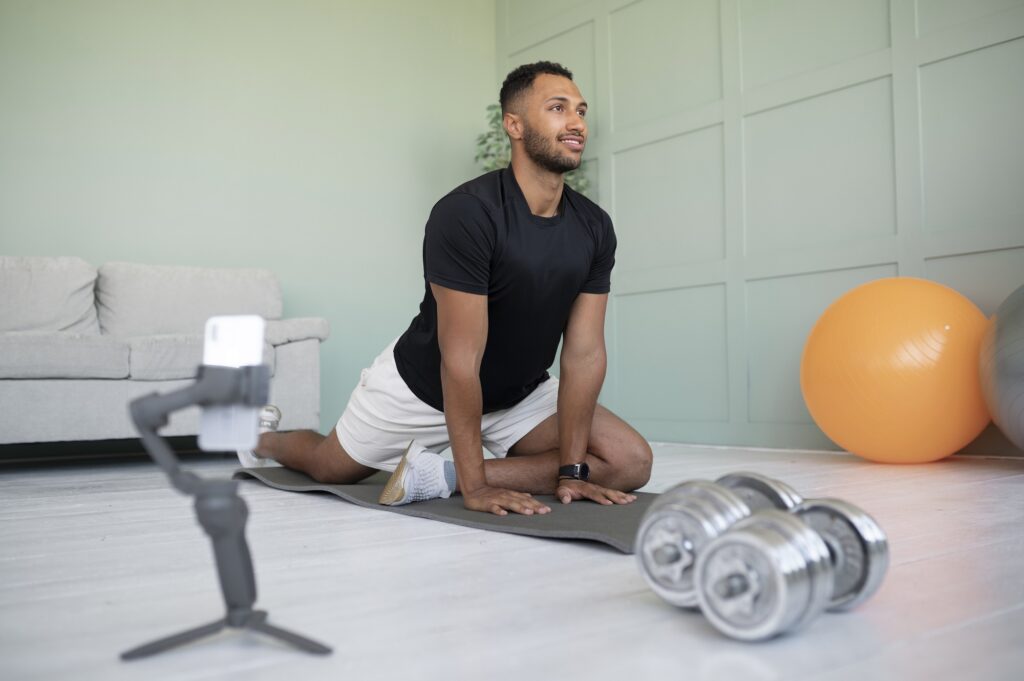
Understanding Motivation: What Drives Us to Exercise? At its core, motivation is the internal drive that compels you to act, whether it’s to improve your health, enhance your physical appearance, or boost your mental well-being. For some, motivation might stem from the desire to lead a healthier lifestyle, while for others, it could be about achieving a personal best. The motivation to exercise might originate from external or internal sources like personal satisfaction. Recognizing what motivates you can help you align your exercise and body transformation habits with your personal goals and values, making it easier to maintain them in the long term. To truly harness motivation, it’s important to engage in self-reflection and understand your intrinsic and extrinsic motivators. Intrinsic motivation refers to engaging in an activity because you find it inherently satisfying, while extrinsic motivation involves performing an activity to earn a reward. Balancing both can help you create a sustainable exercise routine that keeps you driven and engaged. The Science behind Motivation and Habits Understanding the science behind motivation and habits can provide valuable insights into why your motivation might wane and how to sustain it. The brain’s reward system is central to forming habits. When you engage in a rewarding activity, such as body transformation, your brain releases dopamine, a neurotransmitter associated with pleasure and motivation. This release reinforces the behavior, making it more likely to be repeated. Creating positive habits requires consistency and patience. By understanding the process of habit formation and leveraging the brain’s reward system, you can develop exercise habits that are both enjoyable and sustainable, ensuring that your motivation remains strong. Common Reasons Motivation Fades Despite your best intentions, motivation can fade for numerous reasons. One common cause is setting unrealistic expectations, which makes it harder to stay motivated when progress feels out of reach. When your goals, like body transformation goals aren’t aligned with your current capabilities, maintaining enthusiasm becomes difficult. Another reason motivation dwindles is the lack of variety in your exercise routine. Performing the same workout repeatedly can lead to boredom. Additionally, external stressors such as work, family obligations, or health issues can make it difficult to prioritize exercise. Finally, the absence of a support system can significantly impact your motivation. Without accountability or encouragement from others, it’s easier to skip workouts or abandon your exercise goals altogether. Identifying these barriers and addressing them proactively can help you maintain a consistent and motivated approach to exercise. The Importance of Setting Realistic Goals Setting realistic goals is crucial for maintaining motivation over the long term. Realistic goals are specific, attainable, and aligned with your capabilities and lifestyle. When setting goals, it’s essential to be honest with yourself about what you can realistically achieve within a given timeframe. One effective strategy for setting realistic goals is using the SMART criteria: Specific, Measurable, Achievable, Relevant, and Time-bound. By following these guidelines, you can create goals that motivate and inspire you. Moreover, it’s important to celebrate small victories along the way. Recognizing and rewarding incremental achievements can boost your confidence and reinforce your commitment to your exercise routine. This positive reinforcement helps sustain your motivation and encourages you to continue working towards larger goals. Developing a Consistent Exercise Routine Consistency is key to maintaining motivation and achieving long-term success in your fitness journey. A consistent exercise routine helps establish positive habits. Assess your schedule and determine how much time you can realistically dedicate to exercise each week. Start by setting a regular schedule, whether it’s morning workouts or evening sessions, choosing a time that aligns with your natural energy levels and lifestyle. Find a routine that works for you and adapt it as needed. Incorporating a mix of different workout types can keep your routine interesting and prevent burnout. Balance cardio, strength training, and flexibility exercises to engage different muscle groups and maintain overall fitness. By creating a routine that offers variety and flexibility, you can sustain your motivation and enjoy the benefits of a balanced fitness regimen. The Role of Accountability in Maintaining Drive Accountability plays a pivotal role in sustaining your motivation. When you hold yourself accountable, you are more likely to follow through on your commitments and stay on track with your exercise routine. Accountability can come from various sources, including friends, family, fitness groups, or personal trainers. One way to incorporate accountability is to partner with a workout buddy. Exercising with someone else can provide mutual encouragement. Additionally, joining a fitness class or group can offer a supportive community that motivates you to attend regularly and push yourself further. Another form of accountability is setting up regular check-ins with yourself or a coach to assess your progress. These check-ins reinforce your dedication to your fitness goals. By embracing accountability, you can enhance your motivation and sustain your commitment to exercise. Incorporating Variety to Keep Workouts Engaging To maintain motivation, it’s essential to keep your workouts engaging. Incorporating variety into your exercise routine can prevent boredom and ensure that you remain excited about working out. Variety can be achieved by exploring different types of exercises, trying new activities. Consider experimenting with different workout formats, such as HIIT (High-Intensity Interval Training), yoga, Pilates, or dance classes. Additionally, trying outdoor workouts or exploring different locations can provide a refreshing change of scenery. Furthermore, incorporating new equipment can enhance your workout experience. Whether it’s using resistance bands, kettlebells, fitness apps, or supportive accessories like Polarized Bifocal Sunglasses for outdoor sessions, these tools can add a new dimension to your routine and keep you engaged. By embracing variety, you can make exercise an exciting and dynamic part of your life. The Impact of Mindset on Exercise Motivation Your mindset plays a crucial role in determining your motivation levels. Developing a growth mindset, where you view challenges as opportunities for improvement, can significantly impact your motivation and overall success. Cultivating this mindset means embracing challenges and persisting through setbacks, seeing exercise as a journey of continuous growth rather than a fixed destination. By adopting
Best Mattresses for Muscle Recovery: A Guide for Fitness Lovers

For fitness enthusiasts, recovery is just as vital as training. Whether you’re lifting weights, running marathons, or doing high-intensity interval training, your muscles need quality rest to rebuild and grow stronger. While nutrition and hydration often take center stage in post-workout recovery conversations, one crucial element is frequently overlooked: your mattress. Choosing the right mattress can dramatically affect how well your body recovers from exercise. In this blog post, we’ll dive deep into why mattresses matter for muscle recovery and what fitness lovers should consider when buying one. Why Recovery Matters Muscle recovery is the process through which the body repairs and strengthens itself after physical activity. It involves several physiological processes, including tissue repair, replenishment of energy stores, and reduction of inflammation. Adequate recovery prevents injury, boosts performance, and contributes to long-term progress. Sleep plays a central role in this process. During deep sleep—especially slow-wave sleep—your body releases growth hormone, which aids in muscle repair and regeneration. Poor sleep quality can slow down recovery, cause fatigue, increase cortisol levels (the stress hormone), and hinder athletic performance. How Mattresses Affect Recovery Your mattress is more than just a place to sleep—it’s a recovery tool. Here’s how it impacts post-exercise healing: 1. Spinal Alignment Proper alignment during sleep ensures that your muscles can fully relax. A mattress that’s too soft or too firm can place pressure on the spine and muscles, causing tension and soreness. Using a mattress topper with the right firmness level can help adjust your sleeping surface to promote a neutral spine position, reducing the risk of aches and pains. 2. Pressure Relief After an intense workout, your muscles and joints need relief. A good mattress evenly distributes your weight and cushions pressure points such as shoulders, hips, and knees. This minimizes discomfort and enhances circulation, which is essential for tissue repair. 3. Temperature Regulation After exercise, your body temperature tends to stay elevated. A breathable mattress that offers cooling properties can help you fall asleep faster and stay in the restorative stages of sleep longer. Memory foam infused with gel, latex, or hybrid models with airflow channels can help with temperature control. 4. Motion Isolation If you share a bed, motion isolation ensures your partner’s movements don’t disturb your sleep. Uninterrupted sleep is critical for muscle repair, so a mattress that absorbs motion is ideal for fitness lovers. 5. Support and Comfort Balance A balance between softness and support is key. The mattress should support the lumbar region without causing the body to sink excessively. This balance helps muscles remain relaxed while maintaining proper alignment. Mattress Types for Muscle Recovery Not all mattresses are created equal. Here are the most popular types and how they measure up for fitness lovers: 1. Memory Foam 2. Latex 3. Hybrid (Foam + Innerspring) 4. Innerspring Key Features to Look For When shopping for a mattress to support your active lifestyle, keep these essential features in mind: 1. Firmness Level Medium-firm is typically ideal for muscle recovery. It offers enough support for the spine while providing adequate cushioning for joints and muscles. If your current mattress feels too soft, consider buy firm mattress topper to enhance support. However, firmness preference can vary based on sleep position and body weight. 2. Zoned Support Some mattresses feature zoned support systems that target different areas of the body with varying firmness. For example, the hips might need more support than the shoulders. This targeted design helps in keeping the spine aligned while relieving pressure. 3. Cooling Technology Look for mattresses with gel-infused foams, phase-change materials, or breathable cover fabrics. These innovations help regulate body temperature, which is essential for uninterrupted sleep and effective muscle repair. 4. Motion Isolation Especially important for couples, good motion isolation ensures that movement on one side of the bed doesn’t disrupt the other side—helping you stay asleep through the night. 5. Durability and Warranty Recovery-focused mattresses are an investment. Choose one with a long lifespan and a solid warranty policy—typically 10 years or more. Durability ensures consistent support, which is vital for long-term health and fitness benefits. 6. Eco-Friendliness Many fitness lovers are also conscious consumers. Natural latex, organic cotton covers, and CertiPUR-US certified foams are great options for those looking to reduce environmental impact without compromising on performance. Tips for Better Recovery Sleep Buying the right mattress is only part of the equation. Here are additional tips to enhance your sleep quality and muscle recovery: When to Replace Your Mattress If your mattress is more than 7–10 years old, sagging, or causing aches and pains, it might be time for a replacement. Warning signs like waking up sore or not feeling well-rested after a full night’s sleep can indicate that your current mattress isn’t supporting your recovery needs. Final Thoughts A well-designed mattress can significantly accelerate your muscle recovery, giving you a competitive edge and helping you stay consistent with your training. Fitness lovers often invest heavily in gym memberships, supplements, and gear—but overlooking sleep quality can undermine all of that effort. When it comes to recovery, your mattress matters. Choose one that supports spinal alignment, regulates temperature, and offers comfort without compromising support. By prioritizing the right sleep surface, you’re not just resting—you’re actively rebuilding, repairing, and strengthening for tomorrow’s workout. Sleep smart. Train hard. Recover stronger.
Strength Training Myths: Lifting Won’t Make Women Bulky
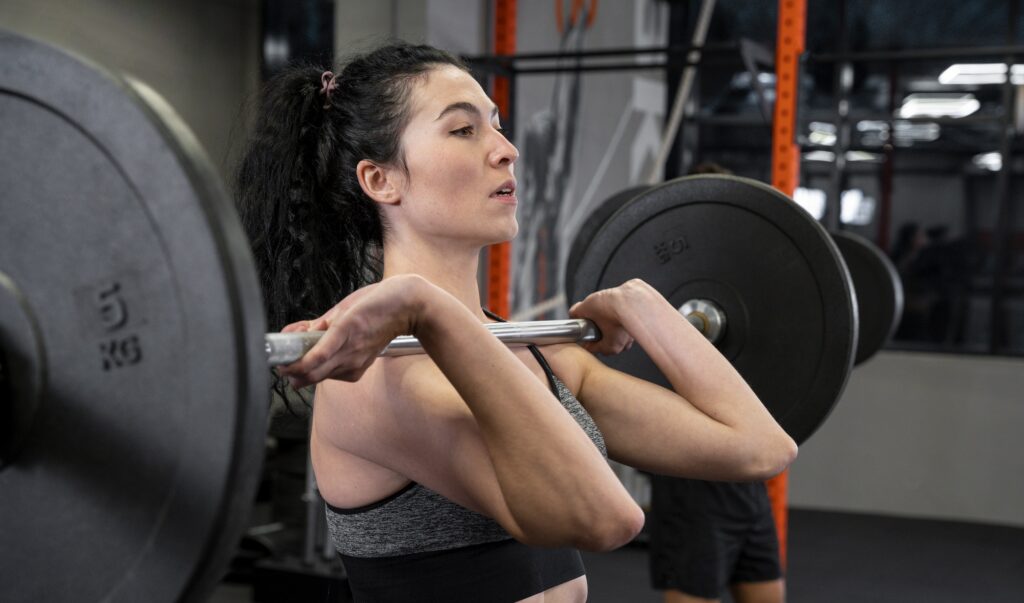
Introduction to Strength Training for Women Strength training is often misunderstood. It’s an exercise form that not only enhances physical strength but also boosts mental well-being. Understanding the benefits and debunking the myths surrounding strength training can significantly impact your fitness journey and overall health. While some women worry about becoming too muscular, it’s crucial to recognize that strength training offers a myriad of benefits beyond aesthetics, such as body transformation. By embracing strength training, you’re not only investing in your physical capabilities but also in your long-term health. The Science behind Strength Training and Muscle Growth Muscle hypertrophy, the increase in muscle size, occurs when the muscle fibers are subjected to stress and tension during weightlifting. This process causes microscopic damage to the fibers, which the body repairs and rebuilds. The role of hormones in muscle growth is also significant. Testosterone plays a vital role in muscle development, and since women naturally have lower levels of this hormone, their potential for large muscle growth is limited. Nutrition is another critical factor in muscle growth. Consuming adequate protein provides the building blocks necessary for muscle repair, body transformation and growth. A balanced diet supports overall health and enhances the effectiveness of strength training. By understanding these scientific principles, you can optimize your strength training results. Benefits of Strength Training for Women The advantages of strength training extend far beyond mere physical appearance. One of its most significant benefits is the improvement of bone density, helping prevent osteoporosis, a condition that disproportionately affects women as they age. Strength training also contributes to better balance and coordination. By strengthening the muscles that support your joints, you enhance your ability to move confidently and safely. Moreover, strength training has profound mental health benefits. The release of endorphins during a workout and body transformation session can boost your mood and alleviate symptoms of anxiety and depression. Engaging in regular strength training can lead to increased self-esteem and a more positive body image. How Strength Training Affects Body Composition Body composition refers to the proportion of fat and non-fat mass in your body. Strength training plays a pivotal role in altering body composition by increasing muscle mass and reducing body fat. This process, known as the “afterburn effect,” ensures that your metabolism remains elevated for hours after a workout. In addition to fat loss, strength training can enhance muscle definition, giving your body a more toned and athletic appearance. By focusing on body composition rather than just the number on the scale, you can achieve a healthier and more sustainable relationship with your body and fitness goals. Debunking Common Myths: Why Lifting Won’t Make Them Bulky Many women worry that lifting weights will make them bulky, but this is a common misconception. Due to naturally lower testosterone levels, women have a much harder time building large muscle mass. Instead, strength training helps develop lean, toned muscles that create a sculpted appearance. Another myth is that cardio is the only effective way to lose weight. In reality, strength training plays a vital role by increasing lean muscle mass, which boosts metabolism and helps the body burn more calories even at rest. There is also a belief that strength training can cause injuries. However, when performed with proper form and technique, it is one of the safest types of exercise. It strengthens tendons, ligaments, and joints, reducing the risk of injury in daily activities. By dispelling these myths, women can confidently embrace strength training as part of their fitness routine and enjoy its numerous physical and mental health benefits. Proper Techniques for Effective Strength Training Adopting proper techniques is crucial for maximizing the benefits of strength training while minimizing the risk of injury. Proper form ensures that the targeted muscles are activated effectively, reducing strain on joints and ligaments. Engaging in a balanced routine improves overall strength and enhances functional fitness, making everyday activities easier. Strength Training for Different Fitness Levels Strength training is accessible to individuals at all fitness levels, from beginners to advanced athletes. Beginners can start with bodyweight exercises or light resistance to build a foundation of strength and endurance. As strength improves, gradually incorporating free weights and machines can enhance progress. Intermediate lifters should focus on refining their technique and adding variety to their workouts to prevent plateaus and keep motivation high. Advanced lifters benefit from structured training plans that cycle through phases of varying intensity and volume to promote continuous progress while avoiding overtraining. Regardless of your fitness level, maintaining consistency and gradually increasing the challenge in your workouts are essential to reaching your strength training goals. Incorporating Strength Training into Your Routine Start by assessing your current schedule and identifying opportunities to incorporate strength sessions. Aim for at least two to three strength training sessions per week, allowing for adequate rest and recovery between workouts. Create a balanced routine by combining strength training with cardiovascular and flexibility exercises to ensure comprehensive fitness and overall health. To stay motivated, set realistic and measurable goals. Tracking your progress can help you stay focused and celebrate your achievements along the way. Conclusion Embracing strength training as part of your fitness routine can transform both your physical and mental well-being. By debunking myths and understanding the science behind muscle growth, you can approach strength training with confidence and enthusiasm. The benefits extend beyond aesthetics, contributing to a healthier and more active lifestyle. Strength training is about empowering yourself, improving your health, and enhancing your quality of life. As you embark on your journey, prioritize consistency, proper technique, and a positive mindset.
Diabetes-Friendly Snacks You’ll Actually Enjoy

Understanding Diabetes-Friendly Snacks When living with diabetes, selecting the right snacks becomes crucial for maintaining balanced blood sugar levels. Diabetes-friendly snacks are designed to provide you with energy, nutrients, and satisfaction without causing sharp spikes in your blood sugar. These snacks typically have a low glycemic index and are rich in fiber, healthy fats, and protein. Choosing whole foods, such as fruits, nuts, and whole grains, can help you create satisfying snacks that align with your health and body transformation goals. Incorporating diabetes-friendly snacks into your diet doesn’t mean you have to compromise on taste. The key is to focus on moderation and portion control, ensuring that your snacks complement your overall dietary needs. Nutritional Guidelines for Diabetes-Friendly Snacks When choosing diabetes-friendly snacks, it’s important to adhere to certain nutritional guidelines that promote stable blood sugar levels. A crucial aspect is focusing on fiber-rich foods. Incorporating foods like vegetables, whole grains, and legumes into your snack routine can be very beneficial. Another guideline is to include healthy fats and proteins in your snacks. These macronutrients help slow down the digestion process, preventing rapid glucose spikes. Consider options like nuts, seeds, lean meats, and dairy products, key components that can support your body transformation by promoting sustained energy and muscle maintenance. Portion control is also a vital consideration. Even healthy snacks can lead to excessive calorie intake if consumed in large quantities. Being mindful of serving sizes and sticking to recommended portions can help you maintain a balanced diet. Types of Snacks to Consider There are numerous types of snacks that can fit into a diabetes-friendly diet. Some of the most popular options include: Store-Bought Options for Diabetes-Friendly Snacks When selecting packaged snacks, focus on those that are low in sugar and free from refined carbohydrates. How to Read Labels for Healthy Snack Choices Understanding food labels is crucial when selecting diabetes-friendly snacks. Here are key elements to look for on nutrition labels: Tips for Snacking on the Go Maintaining a healthy snacking routine can be challenging when you’re constantly on the move. Here are some tips to help you stay on track: Conclusion Managing diabetes doesn’t mean you have to give up on enjoying delicious snacks. By making informed choices, focusing on portion control, and selecting nutrient-rich options, you can indulge in satisfying snacks without compromising your health. It’s important to incorporate a balance of macronutrients, read labels carefully, and make mindful choices to support your blood sugar levels and overall well-being.
How Regular Physiotherapy Can Prevent Long-Term Disability

Understanding Mobility and Disability Mobility is a fundamental aspect of daily life, allowing you to perform necessary tasks and engage in activities that bring joy and fulfillment. When mobility is compromised, it can significantly affect your quality of life, leading to frustration and a sense of dependency. Disability can be defined as a physical or mental condition that limits a person’s movements, senses, or activities. Long-term disability can arise from various causes, such as chronic diseases, acute injuries, or congenital conditions. Many individuals with disabilities continue to lead active, fulfilling lives with the right support and interventions, and a focus on achievable body transformation goals tailored to their abilities. The interplay between mobility and disability highlights the importance of proactive measures. By understanding the potential risks and factors leading to reduced mobility, you can take steps to mitigate these risks, ensuring that you maintain your independence and ability to engage fully in life. Common Causes of Long-Term Disability Long-term disability can arise from a myriad of sources, each presenting unique challenges. Some common causes include: By recognizing these common causes, you can take proactive steps to manage your health. Regular check-ups and a healthy lifestyle can help prevent long-term disability. How Regular Physiotherapy Can Prevent Disability and Enhance Mobility Regular physiotherapy sessions are essential in preventing the progression of mobility issues into long-term disabilities. By focusing on strengthening, body transformation, flexibility, and balance exercises, physiotherapy helps maintain the integrity of muscles and joints. This proactive approach improves coordination, reducing the risk of falls particularly critical for older adults, as falls are a leading cause of disability. Physiotherapy also addresses the importance of posture and ergonomic practices. Poor posture can lead to chronic pain and musculoskeletal issues, which, if left uncorrected, may result in long-term disability. Physiotherapists provide personalized guidance on maintaining proper posture and modifying daily activities to prevent strain and injury. Moreover, physiotherapy employs various techniques to enhance mobility, including: Manual Therapy: Involves mobilization and manipulation of muscles and joints to reduce pain and restore movement. Exercise Therapy: Tailored programs designed to improve strength, flexibility, and endurance, which are crucial for maintaining independence and preventing deterioration. Electrotherapy: Modalities such as ultrasound, TENS, and electrical stimulation are used to promote healing, reduce pain, and enhance muscle strength. By integrating these physiotherapy techniques into your routine, you can significantly enhance your mobility and prevent the development of long-term disability. The Importance of Early Intervention Early intervention in physiotherapy is paramount in preventing long-term disability. The sooner you address mobility issues, the more effective the treatment will be. Early intervention allows for a focused approach to managing symptoms and preventing the progression of conditions that could lead to disability. By starting rehabilitation early, you can minimize the impact of the injury and regain function more quickly. This proactive approach not only improves outcomes but also enhances your overall quality of life. This proactive approach increases motivation and treatment adherence, maximizing the benefits of physiotherapy. Creating a Personalized Physiotherapy Plan Creating a personalized physiotherapy plan is essential for achieving optimal outcomes. A tailored approach considers your unique health status, goals, and lifestyle, ensuring that the interventions are both effective and sustainable. By following a personalized plan, you enhance your recovery and prevention, improving your quality of life and reducing the risk of long-term disability. Finding the Right Physiotherapist for Your Needs Consider the following factors when choosing a physiotherapist: Conclusion Embracing mobility through regular physiotherapy is a powerful strategy for improving quality of life and preventing long-term disability. By understanding the role of physiotherapy, you can take proactive steps to protect your health. Whether managing a chronic condition, recovering from an injury, or enhancing overall well-being, physiotherapy offers valuable tools to achieve your goals. With the right support and interventions, you can unlock your mobility and embrace a life of independence. Take the first step today by reaching out to a qualified physiotherapist and exploring the possibilities that await you.
Training Over 40: What You Need to Know About Aging & Fitness
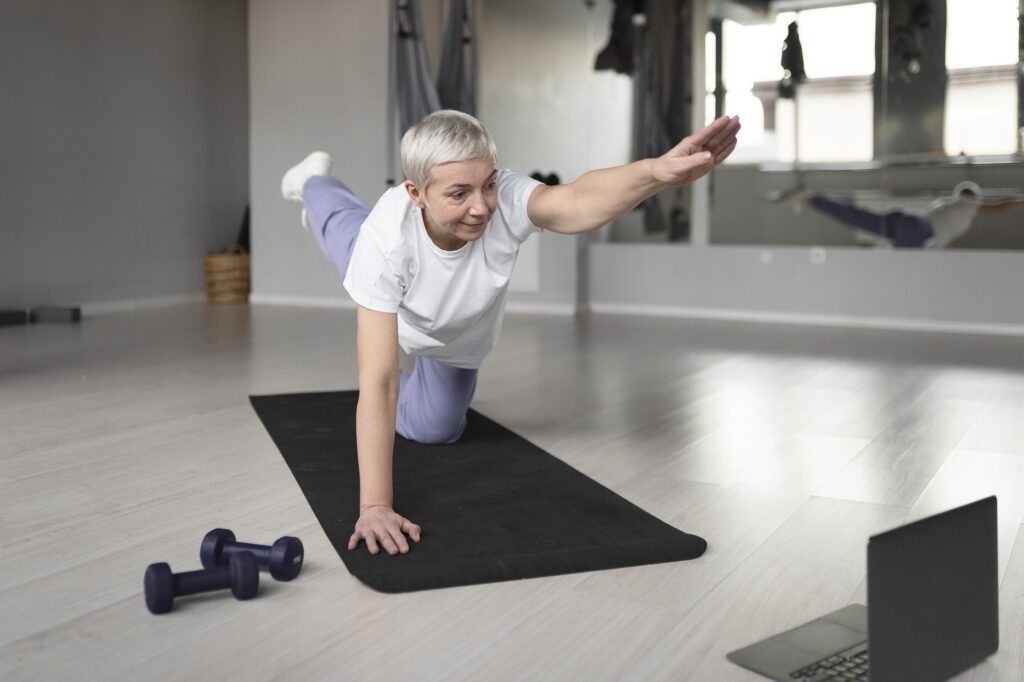
Reaching your 40s can feel like a crossroads when it comes to fitness. Your body doesn’t bounce back like it used to, recovery takes longer, and new aches seem to appear out of nowhere. But here’s the good news: getting older doesn’t mean giving up on performance or physique—it just means training smarter, not harder. Whether you’re starting fresh or adjusting your long-standing routine, understanding how aging affects your body is the key to unlocking results without injury or burnout. Here’s what you need to know. 1. Your Body Changes—But that’s Not a Bad Thing After 40, most people experience a natural decline in muscle mass, flexibility, hormone levels, and bone density. This is known as sarcopenia, and it can begin as early as your 30s, with muscle mass decreasing by about 1% per year if left unchecked. But this doesn’t mean you’re doomed to get weaker or softer. Resistance training, mobility work, body transformation and proper nutrition can slow or even reverse many of these effects. The key? Consistency and intentionality. 2. Prioritize Strength Training Strength training is non-negotiable after 40. It helps preserve muscle mass, increases metabolism, improves joint health, and supports better posture and balance. Focus on compound movements (like squats, deadlifts, presses, and rows) and incorporate both bodyweight and resistance exercises. You don’t need to lift heavy to make progress; moderate weight with proper form and volume is often more effective—and safer—for long-term gains. Start with 2–4 strength sessions per week for body transformation, depending on your fitness level and schedule. And don’t be afraid to get a coach or trainer to help fine-tune your form. 3. Recovery Is a Superpower You can’t out-train poor recovery, especially after 40. As you age, your body’s ability to repair itself slows down. That means sleep, mobility work, hydration, and stress management become just as important as your workouts. 4. Nutrition Needs Shift Your metabolism gradually slows as you age, which can lead to weight gain if calorie intake isn’t adjusted. But it’s not just about eating less—it’s about eating better. 5. Mindset Matters More Than Ever Staying fit over 40 is as much a mental game as a physical one. It’s easy to get frustrated when progress seems slower, or you can’t push as hard as you once did. But this is a perfect time to shift your focus toward longevity rather than intensity. Training now isn’t just about looking good—it’s about staying functional, pain-free, and active for decades to come. Celebrate the wins, stay patient with setbacks, and stay curious about your body’s capabilities. 6. Listen to Your Body (But Don’t Baby It) There’s a fine line between pushing through discomfort and knowing when to rest. After 40, you need to tune into your body’s signals more closely. Soreness is normal; sharp pain is not. Fatigue is normal; chronic fatigue syndrome is not. But don’t use age as an excuse to go soft. Your body is capable of far more than you think—it just needs the right stimulus and proper care. Final Thoughts Fitness after 40 isn’t about limitations—it’s about opportunity. It’s your chance to build a strong, resilient, and balanced body that supports you through every chapter of life. With a smart approach to training, recovery, and nutrition, you can continue to gain strength, energy, and vitality well into your 50s, 60s, and beyond. Don’t think of aging as a decline—think of it as an evolution. You’ve got wisdom, experience, and grit on your side. Now it’s just about putting it all to work.
Strength Training vs. Cardio: Which is Better for Diabetes Reversal?
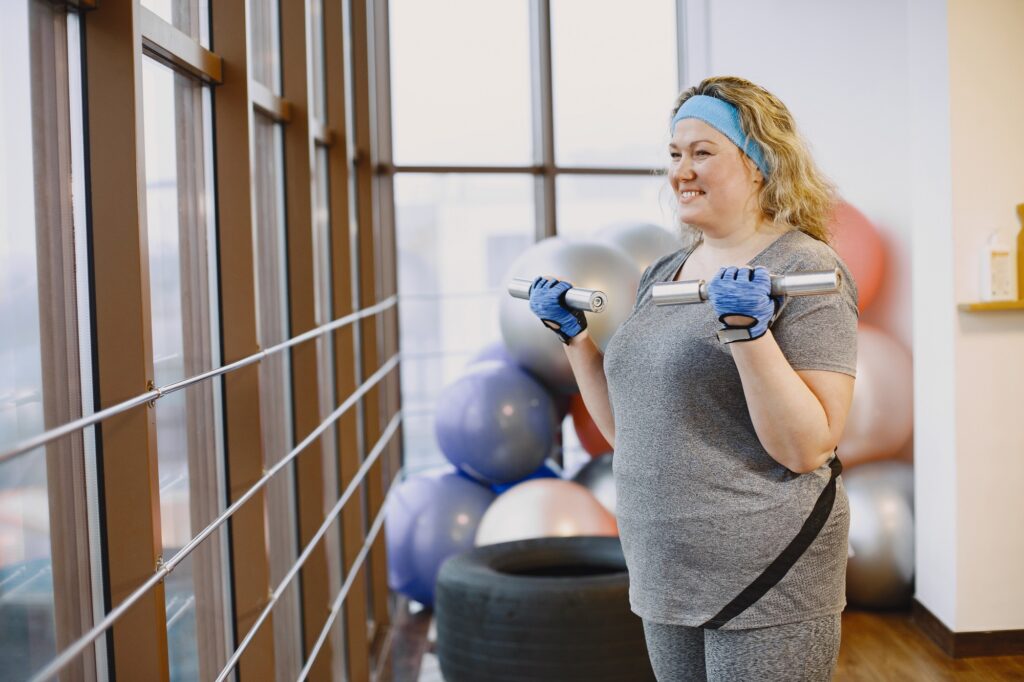
When it comes to managing or potentially reversing type 2 diabetes, exercise is a key player. But if you’re choosing between hitting the treadmill or picking up the dumbbells, which is the better bet? The debate between strength training and cardio isn’t just about preferences — it’s about results. Let’s dive into the science, benefits, and real-world impacts of both to help you decide which exercise approach might best support your diabetes journey. Understanding Diabetes Reversal Type 2 diabetes is characterized by insulin resistance, where the body’s cells no longer respond effectively to insulin. Over time, this can lead to elevated blood sugar levels and a host of complications. Reversal doesn’t mean a permanent cure, but it does mean reducing blood sugar levels to a non-diabetic range without medication. Lifestyle changes especially diet, exercise and body transformation play a crucial role in this process. Exercise enhances insulin sensitivity, improves blood sugar control, and supports weight loss, all of which are critical for diabetes management and potential reversal. Cardio: The Classic Go-To Cardiovascular exercises — think brisk walking, jogging, cycling, or swimming — are often the first recommendation for people with type 2 diabetes. Here’s why: Studies show that moderate-intensity cardio for at least 150 minutes a week can significantly improve glycemic control and reduce A1C levels — a key diabetes marker. Strength Training: The Underrated Contender Strength or resistance training involves working your muscles against a force — like weights, resistance bands, or your own body weight. While often overlooked in diabetes plans, strength training deserves attention: Research from the American Diabetes Association shows that strength training just 2-3 times per week can significantly reduce A1C and improve glucose uptake in cells. Head-to-Head: Which Is Better? The short answer? Both have their place — and combining them yields the best results. But if you’re forced to choose based on specific goals, here’s a breakdown: A 2014 study in Diabetologia found that combining aerobic and resistance training was more effective for managing blood sugar than either alone. Another study in the Journal of Applied Physiology confirmed that the duo improves both fat loss and insulin sensitivity significantly more than cardio-only routines. What the Experts Recommend? The American College of Sports Medicine and the American Diabetes Association suggest a mix: Getting Started If you’re new to exercise or dealing with complications from diabetes, talk to your doctor before beginning any routine. Start slow, be consistent, and consider working with a trainer familiar with diabetes-friendly programs. Beginner-friendly cardio options: Beginner-friendly strength exercises: Final Thoughts If you’re serious about reversing type 2 diabetes, don’t pit cardio and strength training against each other. They work better as a team. Cardio helps you quickly manage blood sugar and improve heart health, while strength training lays the groundwork for lasting metabolic change. So lace up your sneakers and grab those weights — your healthiest life may just be a well-rounded workout away.
Functional Fitness vs. Traditional Workouts: Which One is better?
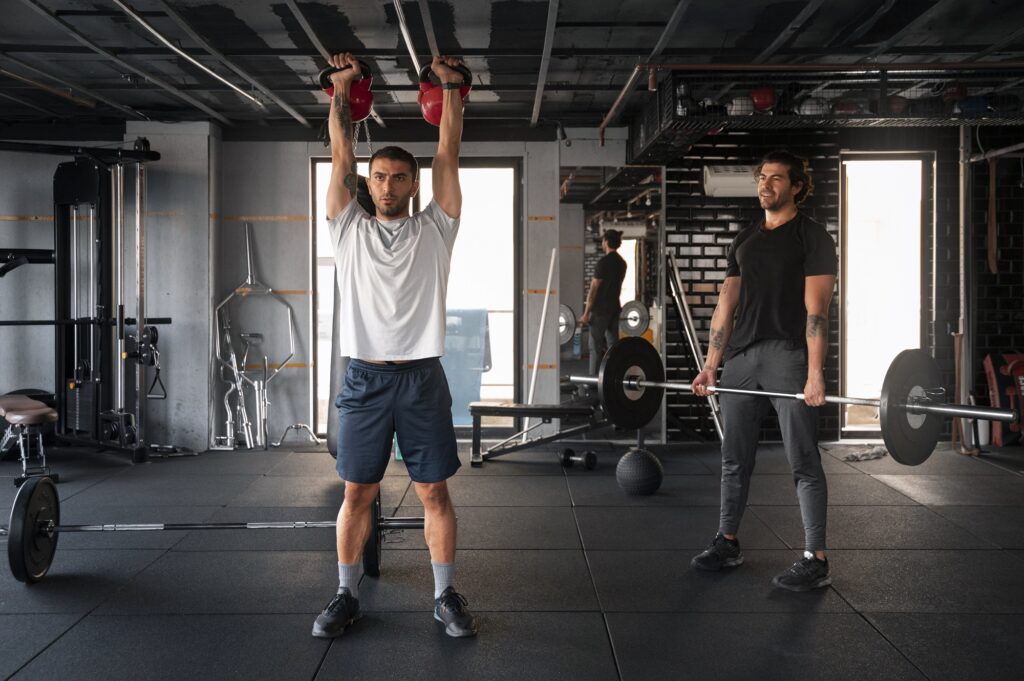
In the world of fitness, the debate between functional fitness and traditional workouts has been gaining attention in recent years. Both approaches aim to improve physical health, strength, and endurance, but they take distinct paths. If you’re considering which style of exercise to incorporate into your routine, understanding the differences, benefits, and potential drawbacks of each can help you make an informed choice. Let’s take a closer look at functional fitness and traditional workouts to see which one might be better suited for your goals. What is Functional Fitness? Functional fitness is a form of exercise designed to improve your ability to perform everyday activities. The exercises typically mimic movements you do in daily life—lifting groceries, carrying children, climbing stairs, or picking up a heavy object. Functional fitness training focuses on the use of multiple muscle groups simultaneously and emphasizes movement patterns like squatting, bending, pushing, pulling, and rotating essential for body transformation. Common examples of functional exercises include kettlebell swings, squats, lunges, deadlifts, and push-ups. These movements are often performed with free weights, resistance bands, or body weight, and many functional fitness workouts involve multi-planar exercises that require balance, coordination, and agility. What is Traditional Fitness? Traditional fitness, on the other hand, tends to focus on individual muscle groups or specific body transformation fitness goals like building muscle mass, increasing cardiovascular endurance, or improving flexibility. Traditional workouts often include exercises such as bicep curls, bench presses, leg presses, and treadmill running, which may target isolated muscle groups. These exercises are typically performed with the use of machines or free weights in a controlled, linear motion. Traditional workouts are often designed around specific fitness objectives, such as bodybuilding, weight loss, or improving cardiovascular health. Many people follow traditional workout routines in gyms where they adhere to a structured plan with sets, repetitions, and rest intervals. Benefits of Functional Fitness 1. Real-World Applicability: One of the most significant advantages of functional fitness is its focus on exercises that improve body transformation and your ability to perform everyday tasks. Whether you’re lifting boxes or bending down to tie your shoes, functional fitness can help reduce the risk of injury by teaching your body to move in ways that mimic real-world actions. 2. Increased Stability and Balance: Because functional exercises engage multiple muscle groups at once and often involve dynamic movements, they can improve overall stability and balance. This is especially beneficial for older adults or anyone looking to improve their overall mobility and prevent falls. 3. Improved Core Strength: Functional fitness workouts tend to activate the core muscles throughout each movement. Whether you’re squatting, lunging, or pushing, you’ll likely engage your core for stabilization, leading to greater core strength. 4. Variety and Fun: Functional fitness workouts often include a variety of movements and exercises, which can keep things interesting. Many workouts incorporate equipment like kettlebells, dumbbells, medicine balls, and even ropes, making them diverse and engaging. 5. Efficiency: Since functional fitness targets multiple muscle groups at once, it can provide a full-body workout in a short amount of time. This makes it an efficient option for those with busy schedules. Benefits of Traditional Fitness 1. Specific Muscle Building: Traditional workouts can be highly effective for individuals aiming to target specific muscles or achieve particular fitness goals like hypertrophy (muscle growth) or strength gains. Exercises like squats, deadlifts, and bench presses allow individuals to isolate specific muscles and progressively overload them for optimal growth. 2. Cardiovascular Health: For those primarily focused on cardiovascular health, traditional exercises like running, cycling, or swimming provide clear benefits. You can structure traditional workouts to include high-intensity interval training (HIIT) or long-duration cardio to improve heart health and stamina. 3. Measurable Progress: Traditional workouts often focus on measurable benchmarks such as lifting more weight, running longer distances, or completing more repetitions. This structured approach allows you to track progress clearly, which can be motivating for many. 4. Flexibility and Accessibility: Traditional fitness routines are often simpler to follow and can be performed in gyms, at home, or outdoors. Whether you’re following a pre-designed workout plan or creating your own, it’s easy to tailor a traditional workout to your fitness level and goals. 5. Better for Beginners: For someone new to exercise, traditional workouts can be more straightforward to begin with, especially if using machines that help guide your movements. This can be less intimidating than starting with free weights or complex multi-movement exercises. Which is better for you? The choice between functional fitness and traditional workouts ultimately depends on your goals and preferences. The Best of Both Worlds Ultimately, many fitness enthusiasts find that incorporating both functional fitness and traditional workouts into their routine provides the best-rounded results. For instance, you might focus on traditional weightlifting to build muscle and strength, while also including functional exercises like kettlebell swings and lunges to improve mobility and core strength. A balanced approach ensures you develop both the strength needed for specific tasks and the functional capabilities for day-to-day activities. Conclusion Whether functional fitness or traditional workouts are better depends on your personal fitness goals. Each approach has unique benefits that cater to different needs and preferences. For a comprehensive fitness journey, a combination of both may offer the best of both worlds. The key is to choose the workout style that keeps you motivated, supports your goals, and improves your overall well-being.
Why Core Strength Matters More Than Six-Pack Abs

When we think about fitness, the first image that often comes to mind is a sculpted body with well-defined six-pack abs. Many people associate a visible six-pack with a strong core, but this common misconception overlooks the true importance of core strength. While achieving six-pack abs is a common fitness goal, it’s essential to understand that a strong core encompasses far more than just visible abdominal muscles. Core strength is the foundation of overall health and athletic performance, and it plays a vital role in your posture, injury prevention, and daily movements. In this article, we’ll explore why core strength matters more than just six-pack abs. What Is Core Strength? The term “core” refers to the muscles that surround your torso, including the abdominals, lower back, obliques (the muscles on the sides of your abdomen), and even your glutes. These muscles work together to stabilize your spine, pelvis, and ribcage, allowing you to move efficiently and safely. A strong core means these muscles can function as a unit, providing support for nearly every physical activity and body transformation you do—whether it’s lifting heavy objects, running, or even sitting at your desk. The Difference between Core Strength and Six-Pack Abs While a six-pack is a sign of well-defined abdominal muscles, it doesn’t necessarily indicate strong core strength. In fact, it’s possible to have visible abs but still suffer from poor core stability. Core strength is more about endurance and functionality than aesthetics. It involves the ability to maintain proper posture, perform daily tasks without pain or strain, and engage in athletic movements with stability and control. Having six-pack abs generally requires low body fat, which is achieved through a combination of diet and body transformation exercise. However, achieving a six-pack does not guarantee that you have the strength or functionality in your core that’s necessary for overall well-being. On the other hand, a strong core can be built through a range of exercises designed to improve stability, balance, and coordination—not just through crunches and sit-ups. The Importance of Core Strength Injury Prevention: One of the primary benefits of core strength is injury prevention. A weak core can lead to poor posture and improper movement patterns, which in turn put strain on the spine and surrounding muscles. This can lead to back pain, muscle strains, and even joint injuries. A strong core helps distribute the load of everyday activities, reducing the risk of injury when lifting objects, running, or performing physical tasks. When your core is engaged, it stabilizes the spine, keeping it in a neutral position and preventing unnecessary stress on your body. Improved Posture: A strong core is the foundation of good posture. Without core stability, it’s easy to fall into slouching habits or develop imbalances that affect your alignment. Poor posture not only affects your appearance but can also cause discomfort and strain on your muscles, ligaments, and joints. When your core is strong, your spine remains supported, reducing the likelihood of developing poor posture, back pain, or musculoskeletal imbalances. This is particularly important for people who spend long hours sitting at desks or working at computers. Better Athletic Performance: Whether you’re an athlete or someone who enjoys recreational sports, and body transformation, having a strong core is essential for peak performance. Core muscles are responsible for transmitting force between your upper and lower body during movements such as running, jumping, throwing, and cycling. A stable core allows you to move more efficiently, with better coordination and less wasted energy. It also reduces the risk of muscle fatigue and enhances agility, speed, and power, all of which are important for improving your overall athletic ability. Functional Fitness: Core strength isn’t just about performing well in the gym or on the field—it’s about performing well in life. Everyday movements like bending over to tie your shoes, picking up groceries, or carrying a child all require core stability. If your core is weak, you may struggle with these simple tasks, leading to strain or discomfort. By strengthening your core, you improve your functional fitness, making daily activities easier and less taxing on your body. Core exercises such as planks, bird dogs, and Russian twists enhance stability and mobility, making it easier to move through your day with ease. How to Build Core Strength? Building a strong core requires more than just doing ab exercises. Incorporating a variety of exercises that target all aspects of your core—including the front, sides, and lower back—is crucial for overall strength. Some of the most effective exercises for building core strength include: Additionally, strength training that engage multiple muscle groups, such as squats and deadlifts, can also enhance your core strength as they require stability and control. Conclusion While six-pack abs may look impressive, they don’t tell the whole story when it comes to core strength. True core strength is about building a stable, functional, and resilient body that can handle the physical demands of life. A strong core not only helps with injury prevention and posture but also improves athletic performance and functional fitness. So, instead of obsessing over getting the perfect six-pack, focus on building a strong and functional core that will benefit you in every aspect of your life.
Overhydration Risks: Drinking Too Much Water During Exercise
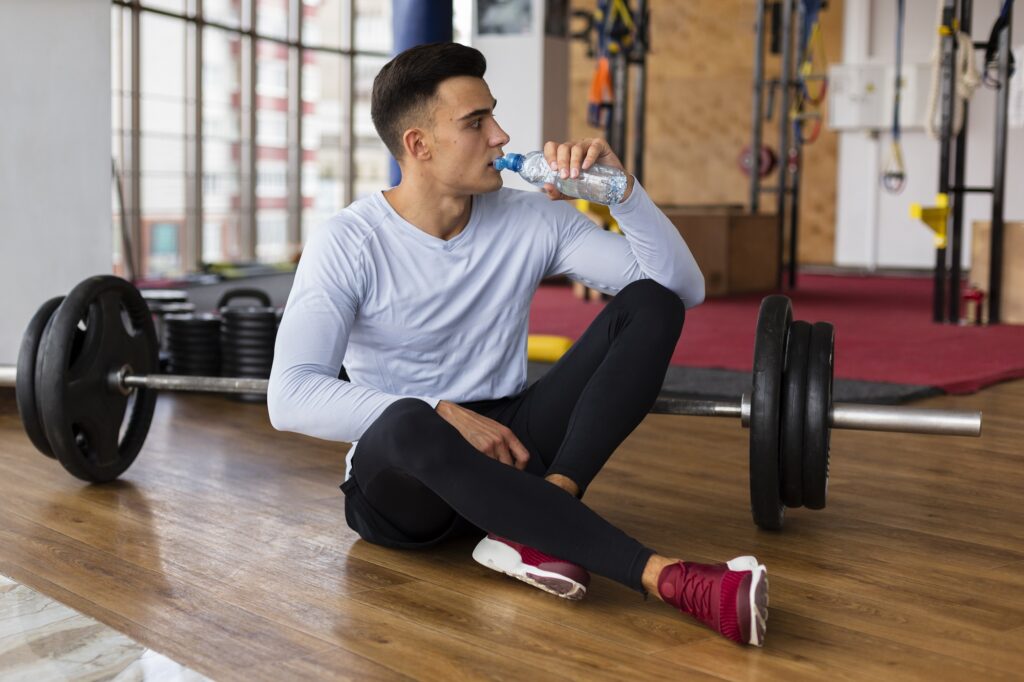
We’ve all heard that staying hydrated is crucial for maintaining peak performance during exercise. And indeed, drinking water helps regulate body temperature, keeps joints lubricated, and prevents fatigue. But just like anything in life, moderation is key. While it’s important to drink enough water, it’s equally important to avoid the risks associated with drinking too much—a condition known as overhydration. In this article, we’ll take a closer look at overhydration during exercise, how to spot it, and the hidden dangers that can arise from drinking excessive amounts of water. The Balance between Dehydration and Overhydration When we think of hydration problems, dehydration usually comes to mind. It’s the condition where the body doesn’t have enough water to perform essential functions, leading to symptoms like dry mouth, dizziness, fatigue, and muscle cramps during body transformation. Most people know to avoid this by drinking water regularly throughout their workout. However, overhydration is equally concerning but far less discussed. Overhydration, or water intoxication, occurs when you drink so much water that it dilutes the concentration of sodium in your bloodstream to dangerously low levels, a condition known as hyponatremia. This can lead to swelling of the cells, including those in the brain, which can cause serious complications, even death. Why Does Overhydration Happen During Exercise? Overhydration during exercise and body transformation typically happens when individuals drink water beyond their body’s needs. Many people, especially during long workouts or endurance activities like marathons or triathlons, tend to drink large quantities of water in an attempt to prevent dehydration. This is often driven by the belief that more water equals better performance or safety. However, exercise increases the loss of both water and sodium through sweat. If you drink too much water without replacing electrolytes (particularly sodium), the balance between water and sodium in your body gets thrown off. This can lead to the dangerous condition of hyponatremia. The Symptoms of Overhydration The signs of overhydration can be subtle at first, making it challenging to identify early on. Symptoms may include: – Nausea and vomiting: The body’s attempt to get rid of excess water. – Headaches: The swelling of brain cells causes pressure, resulting in headaches. – Swelling: Especially in the hands, feet, or ankles, due to fluid retention. – Confusion and disorientation: Severe cases can impair mental clarity. – Muscle cramps: Sodium imbalance disrupts muscle function, causing cramps or spasms. – Severe cases can lead to seizures, coma, or even death. It’s easy to confuse these symptoms with regular fatigue or dehydration, which is why being aware of your hydration habits is crucial, particularly during intense exercise and body transformation. Who Is At Risk? Some individuals are more at risk of overhydration than others. Here are a few key factors: – Endurance athletes: Long-distance runners, cyclists, and participants in ultra-endurance events are often at higher risk because they might drink excessive amounts of water to stay hydrated over many hours. – People who sweat heavily: If you’re someone who sweats a lot during exercise, it’s easy to think you need more water than your body truly requires. – Hot and humid environments: Exercise in extreme heat or humidity increases anhidrosis or sweat loss, which might prompt you to drink more water to compensate. If not done properly, this can lead to overhydration. – Individuals with underlying health conditions: Those with kidney problems or other health issues might struggle to regulate fluid intake and output effectively. How Much Water Should You Really Be Drinking? So, how do you find the right balance? The key to hydration is listening to your body. There’s no universal amount of water that applies to everyone, as it depends on several factors, including your body size, exercise intensity, duration, and environmental conditions. Staying properly hydrated can also support overall skin health and complement acne treatment, helping to flush out toxins and keep your complexion clearer. However, some general guidelines can help you stay safe: – Drink when you’re thirsty: Your body has an excellent built-in system for hydration. Thirst is a good indicator that you need water. You don’t need to force yourself to drink excessive amounts. – Don’t drink too quickly: Sipping water regularly is far more effective than drinking large amounts all at once. Drinking too fast can overload the kidneys and lead to water retention. – Monitor your urine color: Clear urine usually indicates adequate hydration, while dark yellow or amber suggests you need more water. If your urine becomes clear but you’re also experiencing bloating or feeling sluggish, you may be drinking too much. – Consider electrolytes: For long endurance events, consider drinking sports drinks or electrolyte solutions that help replace lost sodium, potassium, and other minerals. This will help maintain balance and avoid dilution of sodium levels. Conclusion While staying hydrated is essential for performance, it’s just as important not to go overboard. Overhydration is a hidden danger that can derail your health, just as dehydration can. The key is finding a balance that works for your body and the intensity of your workout. If you’re engaging in moderate exercise, simply drinking when thirsty and maintaining a healthy hydration routine is usually sufficient. For more intense workouts, endurance training, or hot conditions, monitor your water intake carefully, replace lost electrolytes when needed, and avoid drinking excessive amounts of water all at once. Remember: just like in all areas of life, the right amount of hydration is all about balance. Drink enough to fuel your body, but not so much that you risk overhydrating and throwing your electrolytes off balance. Stay hydrated—safely!