
Liver Health and Fat Loss: A Key to Diabetes Reversal

Understanding Liver Health and Its Importance The liver is an essential organ that plays a crucial role in maintaining overall health. It performs over 500 vital functions, including detoxification, protein synthesis, and the production of biochemicals necessary for digestion. Understanding liver health is important because it directly influences metabolic processes such as fat metabolism and glucose regulation, which are vital for weight management and diabetes control. A healthy liver filters toxins from the blood, regulates blood clotting, and metabolizes nutrients absorbed from the digestive tract. It converts excess glucose into glycogen for storage and releases it back into the bloodstream when needed, helping maintain stable blood sugar levels. Supporting liver health is also crucial for body transformation, as it plays a vital role in energy metabolism and overall wellness. A compromised liver cannot efficiently perform these tasks, leading to various health issues. The liver’s role in fat metabolism is significant. It breaks down fats and produces energy, and when liver health declines, fat accumulation can occur, leading to fatty liver disease. This condition contributes to obesity and insulin resistance, increasing the risk of diabetes and other metabolic disorders. The Link between Liver Health and Fat Reduction Liver health is closely linked to fat reduction and weight management. A well-functioning liver processes fats effectively, converting them into energy or eliminating them from the body. When liver function is impaired, fats are not metabolized properly, leading to fat accumulation, especially around the abdomen, which increases the risk of cardiovascular diseases. Supporting liver function is therefore essential for successful body transformation, as it directly impacts fat metabolism and overall health. Poor liver health can cause non-alcoholic fatty liver disease (NAFLD), characterized by excessive fat build-up in liver cells. NAFLD is often associated with obesity and can lead to more severe conditions like cirrhosis and liver cancer. Addressing liver health is crucial for effective fat reduction and preventing these outcomes. Improving liver health through dietary changes, regular exercise, body transformation, and liver-supportive supplements can enhance the liver’s ability to burn fat, support weight loss, and improve metabolic health. How Liver Function Affects Diabetes Management The liver plays a pivotal role in glucose metabolism by storing glucose as glycogen and releasing it to maintain blood sugar levels. A healthy liver ensures a balanced glucose supply, preventing spikes and crashes that can lead to insulin resistance, a precursor to type 2 diabetes. When the liver is compromised, its ability to manage glucose efficiently is impaired. This can result in excessive glucose production and elevated blood sugar levels, worsening insulin resistance and increasing the risk of type 2 diabetes. Maintaining liver health is therefore crucial for diabetes management and prevention. Individuals with diabetes or prediabetes can benefit from lifestyle changes that support liver function, such as a balanced diet rich in antioxidants and regular physical activity, which help improve glycemic control and reduce diabetes-related complications. Liver Health & Warning Signs Several common liver issues can significantly impact metabolism and overall health, with non-alcoholic fatty liver disease (NAFLD) being among the most prevalent. NAFLD, often linked to obesity, insulin resistance, and poor dietary habits, leads to fat buildup in liver cells and can progress to more serious liver damage if left untreated. Alcoholic liver disease, caused by excessive alcohol consumption, similarly disrupts liver function and impairs the body’s ability to regulate glucose and fat metabolism. Chronic hepatitis B and C infections also contribute to long-term liver inflammation, raising the risk of liver cancer and metabolic imbalance. These conditions underscore how vital liver health is to proper metabolic function. Early signs of poor liver health—such as persistent fatigue, jaundice, abdominal swelling, dark urine, pale stools, unexplained weight loss, and easy bruising—should never be ignored, as they may indicate liver dysfunction. Regular medical checkups, liver function tests, a healthy lifestyle, and preventive measures like vaccinations and limiting alcohol intake are essential steps to protect liver function and support overall metabolic health. Diet and Lifestyle Changes for a Healthier Liver Adopting healthy dietary and lifestyle habits can significantly improve liver function. A balanced diet rich in fruits, vegetables, whole grains, and lean proteins provides essential nutrients. Foods high in antioxidants, like berries, nuts, and leafy greens, help combat oxidative stress and inflammation that can damage liver cells. Reducing processed foods, sugars, and saturated fats is important to prevent fat buildup in the liver. Opt for healthy fats found in avocados, nuts, and olive oil to support liver metabolism. Staying hydrated also aids detoxification and liver function. Regular physical activity plays a key role in supporting liver health by promoting weight management, reducing fat accumulation, and improving insulin sensitivity, which helps prevent and manage fatty liver disease. Both aerobic exercises (such as walking, cycling, or swimming) and resistance training boost metabolic rate and liver function. Consistency is important—incorporate physical activity into your daily routine, even though small changes like short walks or taking the stairs. Over time, these habits can lead to significant improvements in liver health and overall well-being. Natural Supplements to Enhance Liver Health In addition to diet and exercise, certain natural supplements can support liver health. Milk thistle contains silymarin, which has antioxidant and anti-inflammatory properties that protect liver cells and promote regeneration. Studies suggest it can improve liver function in individuals with liver disease. Turmeric contains curcumin, which reduces liver inflammation and oxidative stress and may improve insulin sensitivity and lipid metabolism. Incorporating turmeric into your diet or taking supplements can provide these benefits. Other supplements include dandelion root, which supports detoxification, and artichoke extract, known for liver-protective effects. Before starting any supplement, consult a healthcare professional to ensure it’s appropriate for your health. Conclusion Understanding and prioritizing liver health is crucial for effective fat reduction and diabetes management. Recognizing the link between liver function, metabolism, and overall health allows you to take steps to improve liver health and quality of life. Adopting a balanced diet, regular exercise, and considering natural supplements support liver function. Regular health screenings are essential for early detection and management of liver
Cold Exposure and Weight Loss: Can It Help Burn Fat?

Understanding Cold Exposure and Its Mechanism Cold exposure, also known as cold thermogenesis, involves intentionally exposing your body to cold temperatures through methods like cold showers, ice baths, or spending time in a cold environment. This forces your body to work harder to maintain its core temperature, increasing energy expenditure. When exposed to cold, the body activates brown adipose tissue (BAT), a type of fat that burns calories to generate heat. Unlike white adipose tissue, which stores energy, BAT is metabolically active and plays a crucial role in thermoregulation. This mechanism, rooted in human evolution, helps preserve core temperature and may offer additional health benefits, including weight management. Studies show that higher BAT levels are associated with lower body mass indices because BAT burns calories at a higher rate. Cold exposure also increases norepinephrine production, a hormone that stimulates the breakdown of stored fat into energy, supporting weight loss, body transformation, and metabolic health. While more research is needed on long-term effects, cold exposure could complement traditional weight loss strategies. Benefits of Cold Exposure for Fat Burning Cold exposure offers several benefits for fat burning and overall metabolic health. Here are some key advantages: Cold exposure may further improve circulation and immune function, contributing to overall health and supporting weight loss efforts. Different Methods of Cold Exposure There are various ways to incorporate cold exposure into your routine, each with its own set of benefits and considerations. Here are some popular methods: Cold Showers: Taking cold showers is one of the most accessible forms of cold exposure. Start with lukewarm water and gradually decrease the temperature. This method not only stimulates BAT but also invigorates your senses and boosts alertness. Ice Baths: Ice baths are a more intense form of cold exposure. They involve immersing your body in cold water filled with ice cubes. This method is commonly used by athletes for muscle recovery and inflammation reduction, and supporting overall body transformation by enhancing recovery and performance. Cryotherapy: Cryotherapy involves exposing your body to extremely cold air for a short duration. It is typically done in a cryo chamber and can be an effective way to stimulate metabolic processes and reduce inflammation. Cold Environment Exposure: Spending time in a cold environment, such as a chilly room or outdoor setting, can also activate BAT. Ensure you are adequately dressed to avoid discomfort while still reaping the benefits. Incorporating these methods into your lifestyle can enhance your weight loss efforts and improve overall well-being. Choose the method that best suits your preferences and tolerance levels. How Cold Exposure Affects Metabolism Cold exposure impacts metabolism by increasing energy expenditure and promoting fat oxidation. When the body is exposed to cold, it triggers a thermogenic response that raises metabolic rate, burning more calories and supporting metabolic health. The activation of brown adipose tissue (BAT) plays a key role in this process. As BAT burns calories to produce heat, it contributes to a higher basal metabolic rate, which helps with weight maintenance. Cold exposure also increases the release of hormones like norepinephrine and adiponectin. Norepinephrine aids fat breakdown, while adiponectin improves insulin sensitivity and regulates glucose levels. Together, these hormonal changes support a healthy metabolism and aid in weight management. Incorporating Cold Exposure into Your Weight Loss Routine To effectively incorporate cold exposure into your weight loss routine, consider the following strategies: By integrating these strategies into your routine, you can enhance your weight loss efforts and improve overall metabolic health. Safety Precautions When Practicing Cold Exposure While cold exposure offers numerous benefits, it’s essential to prioritize safety to avoid potential risks. Here are some precautions to consider: By following these safety precautions, you can enjoy the benefits of cold exposure without compromising your health. Conclusion Incorporating cold exposure into your lifestyle can unlock a range of benefits, from enhanced weight loss and fat burning to improved metabolic health and recovery. While it’s essential to prioritize safety and listen to your body, the potential rewards make it a worthwhile endeavor. As you embark on your cold exposure journey, remember to start gradually, remain consistent, and monitor your body’s response. Combine cold exposure with a balanced diet and regular exercise to maximize your results and enjoy a healthier, more vibrant life.
Why Your Lymphatic System Needs Attention for Better Health

Understanding the Lymphatic System The lymphatic system is a crucial but often overlooked part of the immune system. It consists of a network of tissues and organs that help rid the body of toxins, waste, and other unwanted materials. Its primary role is to transport lymph, a fluid that contains infection-fighting white blood cells, throughout the body. Think of it as the body’s drainage network. Key components include lymph nodes, vessels, tonsils, spleen, and thymus, all of which support immune function and proper lymph circulation. Supporting this system through regular movement, hydration, and nutrition can also contribute to your overall body transformation goals. Unlike the circulatory system, the lymphatic system lacks a central pump like the heart and relies on muscle movement and breathing to circulate lymph. Understanding how it works can help you take steps to keep it functioning well, thereby enhancing your overall health. The Role of the Lymphatic System in Overall Health The lymphatic system plays a vital role in maintaining internal balance by acting as a natural detoxification pathway. It removes cellular waste and excess fluids, helping prevent infections, inflammation, and fluid buildup. In addition to detoxification, it is essential for immune defense and supports overall body transformation by enhancing metabolic function and reducing inflammation. Lymph nodes throughout the body act as filters, trapping pathogens and producing lymphocytes (white blood cells) to fight infections. The lymphatic system also aids in absorbing fats and fat-soluble vitamins from the digestive tract, contributing to proper nutrient distribution. Recognizing these roles highlights the importance of a healthy lymphatic system in supporting overall health and vitality. Common Issues Related to Lymphatic Health Lymphedema is one of the most common issues, characterized by swelling due to lymph fluid accumulation. This condition often occurs when lymph nodes are removed or damaged, disrupting the normal flow of lymph. Managing lymphedema effectively is crucial not only for comfort but also for supporting overall body transformation goals, particularly those focused on health and wellness. Another common issue is lymphadenopathy, which involves swollen lymph nodes. This can be a response to infection, inflammation, or even cancer. Swollen lymph nodes are often a sign that your body is fighting an infection, but persistent swelling may indicate more serious health concerns that require medical attention. Chronic inflammation and autoimmune disorders can also impact lymphatic health. Inflammatory conditions can block lymphatic vessels, leading to impaired drainage and swelling. Signs Your Lymphatic System Needs Attention Persistent swelling in the limbs, known as lymphedema, indicates poor lymph drainage. Frequent infections, such as colds and flu, may signal a compromised lymphatic system unable to mount an adequate immune response. Fatigue and sluggishness can result from toxin buildup due to impaired lymphatic function, leading to decreased energy levels and general malaise. Unexplained weight gain and cellulite may also stem from fluid retention and poor drainage. If you experience these symptoms, consider lifestyle changes or seek professional help to restore optimal lymphatic health. How to Support Your Lymphatic System Naturally Regular exercise is a powerful way to stimulate lymph flow, as muscle contractions during physical activity help move lymphatic fluid through the body. Walking, yoga, and rebounding are particularly beneficial. Hydration is equally important; drinking plenty of water ensures lymph fluid remains thin and flows easily, preventing congestion. Diet plays a crucial role in lymphatic health. Consuming fruits, vegetables, lean proteins, and healthy fats provides nutrients needed for optimal function. Foods high in antioxidants, such as berries and leafy greens, help combat oxidative stress and inflammation, further supporting lymphatic health. The Connection between Lymphatic Health and Immune Function The lymphatic system plays a key role in immune defense by filtering harmful substances and transporting lymphocytes, which identify and neutralize bacteria and viruses. When it functions well, immune cells circulate effectively, ready to respond to threats. If lymphatic circulation is impaired, immune responses weaken, increasing the risk of infections and diseases. Supporting lymphatic health through lifestyle choices helps strengthen your body’s ability to fight illness and maintain overall well-being. Lifestyle Changes for Optimal Lymphatic Health Regular physical activity, such as brisk walking or swimming, encourages lymph flow and reduces the risk of stagnation. Incorporating stretches and deep breathing exercises can also enhance circulation and oxygenate tissues. Maintaining a healthy diet rich in whole foods supports detoxification and provides the nutrients necessary for lymphatic function. Limiting processed foods and reducing salt intake can prevent fluid retention and promote better lymphatic drainage. Stress management is another essential factor. Chronic stress can lead to inflammation and impair lymphatic function. Practices such as meditation, mindfulness, and adequate sleep can help reduce stress levels and support overall lymphatic health. Professional Treatments for Lymphatic Health Manual lymphatic drainage (MLD) is a specialized massage technique that gently stimulates lymph flow, reduces swelling, and enhances detoxification. This therapy is particularly beneficial for individuals with lymphedema or post-surgical swelling. Compression garments, such as sleeves or stockings, can aid in reducing limb swelling by applying pressure that encourages lymph fluid movement. These are often recommended for individuals with chronic lymphedema or those at risk of developing it. Advanced treatments like pneumatic compression devices and low-level laser therapy are also available for enhancing lymphatic function. These professional interventions can be especially helpful for individuals with significant lymphatic impairment, offering relief and improved quality of life. Conclusion Your lymphatic system is essential for maintaining health by supporting immunity, detoxification, and fluid balance. Recognizing its importance allows you to take meaningful steps to support it through lifestyle changes like regular exercise, a nutrient-rich diet, and stress management. Combining natural care with professional treatments when needed can further enhance lymphatic function, contributing to better overall well-being and vitality.
Deskercise: Effective Moves to Do While Working

What is Deskercise? “Deskercise” combines the words “desk” and “exercise” to describe simple physical activities you can do right at your workspace. It’s designed to help you stay active during long hours of sitting by incorporating easy stretches and gentle movements that improve circulation, flexibility, and muscle strength. These exercises help reduce muscle stiffness and tension, improve posture, and increase energy levels, all without interrupting your work. Regularly practicing deskercise throughout your day can support your physical health, reduce discomfort from prolonged sitting, and boost your overall productivity and well-being. Over time, these small but consistent efforts can contribute to a noticeable body transformation. Benefits of Deskercise for Productivity Deskercise can greatly improve productivity by reducing the physical and mental fatigue that often comes from sitting at a desk for long periods. Regular movement increases blood flow to the brain, which helps improve concentration, alertness, and cognitive function. These benefits enable you to work more efficiently and make better decisions. In addition, deskercises release endorphins, the body’s natural mood boosters, which can enhance your emotional state. A positive mood encourages enthusiasm and creativity, contributing to a more productive and satisfying workday. Regular deskercise also supports physical health by reducing the risk of common workplace injuries like repetitive strain and back pain, helping you maintain consistent productivity over time. Over the long term, these routines can play a role in your overall body transformation. 10 Effective Deskercise Moves Incorporating deskercises into your routine can be simple and effective. Here are ten moves to get you started: How to Incorporate Deskercise into Your Workday Integrating deskercise into your daily routine can be seamless with a structured plan. Start by setting reminders to take breaks every hour for a quick exercise session. These sessions can be as brief as 2-3 minutes, making them easy to fit into your schedule without significantly disrupting your work. Finally, create a supportive environment by encouraging colleagues to participate in deskercises with you. This not only fosters a culture of health and wellness but also provides an opportunity for social interaction, which can further enhance workplace morale and collaboration. Deskercise for Different Work Environments Deskercise can be adapted to suit various work environments, whether you work from a traditional office, a home office, or even on the go. In a traditional office setting, you might need to consider space constraints and opt for exercises that don’t require much room, such as seated stretches or wrist exercises. For home office workers, there might be more flexibility to incorporate standing or walking exercises, especially if you have access to a treadmill desk or a standing desk. For those who travel frequently or work remotely, portable exercises like neck stretches, calf raises, and ankle rotations can be performed anywhere, ensuring that you stay active regardless of your location. Being mindful of your work environment and selecting appropriate exercises can help you maintain consistency in your deskercise routine. The Science behind Deskercise and Focus Scientific research supports the link between physical activity and improved cognitive function. Regular movement increases blood flow to the brain, enhancing neural activity and promoting the release of neurotransmitters that improve mood and focus. This physiological response can lead to better concentration, faster information processing, and increased creativity. Moreover, breaking up periods of prolonged sitting with brief bouts of exercise can prevent mental fatigue. Studies have shown that even short, low-intensity exercises, like those involved in deskercise, can significantly boost energy levels and reduce feelings of tiredness. By integrating deskercise into your routine, you can harness these scientific benefits to improve your mental acuity and sustain a high level of productivity throughout the day. Common Mistakes to Avoid with Deskercise While deskercise offers numerous benefits, it’s important to avoid common pitfalls that can hinder its effectiveness. One mistake is neglecting proper form. Even simple exercises can lead to strain or injury if performed incorrectly. Ensure you understand the correct posture and movements for each exercise to maximize benefits and minimize risks. Another frequent error is inconsistency. To truly reap the rewards of deskercise, it should be a regular part of your routine. Skipping sessions or only participating sporadically won’t provide the cumulative health and productivity benefits that consistent practice offers. Conclusion Incorporating deskercise into your daily work routine is a proactive step towards enhancing both your physical health and productivity. By dedicating just a few minutes to movement throughout your day, you can prevent the negative effects of prolonged sitting, improve your mood, and boost your cognitive function. Start today by selecting a few deskercise moves that appeal to you and setting reminders to practice them regularly. With consistency and commitment, deskercise can become a natural and beneficial part of your workday routine.
Why Motivation Fades and How Exercise Habits Keep You Going

Understanding Motivation: What Drives Us to Exercise? At its core, motivation is the internal drive that compels you to act, whether it’s to improve your health, enhance your physical appearance, or boost your mental well-being. For some, motivation might stem from the desire to lead a healthier lifestyle, while for others, it could be about achieving a personal best. The motivation to exercise might originate from external or internal sources like personal satisfaction. Recognizing what motivates you can help you align your exercise and body transformation habits with your personal goals and values, making it easier to maintain them in the long term. To truly harness motivation, it’s important to engage in self-reflection and understand your intrinsic and extrinsic motivators. Intrinsic motivation refers to engaging in an activity because you find it inherently satisfying, while extrinsic motivation involves performing an activity to earn a reward. Balancing both can help you create a sustainable exercise routine that keeps you driven and engaged. The Science behind Motivation and Habits Understanding the science behind motivation and habits can provide valuable insights into why your motivation might wane and how to sustain it. The brain’s reward system is central to forming habits. When you engage in a rewarding activity, such as body transformation, your brain releases dopamine, a neurotransmitter associated with pleasure and motivation. This release reinforces the behavior, making it more likely to be repeated. Creating positive habits requires consistency and patience. By understanding the process of habit formation and leveraging the brain’s reward system, you can develop exercise habits that are both enjoyable and sustainable, ensuring that your motivation remains strong. Common Reasons Motivation Fades Despite your best intentions, motivation can fade for numerous reasons. One common cause is setting unrealistic expectations, which makes it harder to stay motivated when progress feels out of reach. When your goals, like body transformation goals aren’t aligned with your current capabilities, maintaining enthusiasm becomes difficult. Another reason motivation dwindles is the lack of variety in your exercise routine. Performing the same workout repeatedly can lead to boredom. Additionally, external stressors such as work, family obligations, or health issues can make it difficult to prioritize exercise. Finally, the absence of a support system can significantly impact your motivation. Without accountability or encouragement from others, it’s easier to skip workouts or abandon your exercise goals altogether. Identifying these barriers and addressing them proactively can help you maintain a consistent and motivated approach to exercise. The Importance of Setting Realistic Goals Setting realistic goals is crucial for maintaining motivation over the long term. Realistic goals are specific, attainable, and aligned with your capabilities and lifestyle. When setting goals, it’s essential to be honest with yourself about what you can realistically achieve within a given timeframe. One effective strategy for setting realistic goals is using the SMART criteria: Specific, Measurable, Achievable, Relevant, and Time-bound. By following these guidelines, you can create goals that motivate and inspire you. Moreover, it’s important to celebrate small victories along the way. Recognizing and rewarding incremental achievements can boost your confidence and reinforce your commitment to your exercise routine. This positive reinforcement helps sustain your motivation and encourages you to continue working towards larger goals. Developing a Consistent Exercise Routine Consistency is key to maintaining motivation and achieving long-term success in your fitness journey. A consistent exercise routine helps establish positive habits. Assess your schedule and determine how much time you can realistically dedicate to exercise each week. Start by setting a regular schedule, whether it’s morning workouts or evening sessions, choosing a time that aligns with your natural energy levels and lifestyle. Find a routine that works for you and adapt it as needed. Incorporating a mix of different workout types can keep your routine interesting and prevent burnout. Balance cardio, strength training, and flexibility exercises to engage different muscle groups and maintain overall fitness. By creating a routine that offers variety and flexibility, you can sustain your motivation and enjoy the benefits of a balanced fitness regimen. The Role of Accountability in Maintaining Drive Accountability plays a pivotal role in sustaining your motivation. When you hold yourself accountable, you are more likely to follow through on your commitments and stay on track with your exercise routine. Accountability can come from various sources, including friends, family, fitness groups, or personal trainers. One way to incorporate accountability is to partner with a workout buddy. Exercising with someone else can provide mutual encouragement. Additionally, joining a fitness class or group can offer a supportive community that motivates you to attend regularly and push yourself further. Another form of accountability is setting up regular check-ins with yourself or a coach to assess your progress. These check-ins reinforce your dedication to your fitness goals. By embracing accountability, you can enhance your motivation and sustain your commitment to exercise. Incorporating Variety to Keep Workouts Engaging To maintain motivation, it’s essential to keep your workouts engaging. Incorporating variety into your exercise routine can prevent boredom and ensure that you remain excited about working out. Variety can be achieved by exploring different types of exercises, trying new activities. Consider experimenting with different workout formats, such as HIIT (High-Intensity Interval Training), yoga, Pilates, or dance classes. Additionally, trying outdoor workouts or exploring different locations can provide a refreshing change of scenery. Furthermore, incorporating new equipment can enhance your workout experience. Whether it’s using resistance bands, kettlebells, fitness apps, or supportive accessories like Polarized Bifocal Sunglasses for outdoor sessions, these tools can add a new dimension to your routine and keep you engaged. By embracing variety, you can make exercise an exciting and dynamic part of your life. The Impact of Mindset on Exercise Motivation Your mindset plays a crucial role in determining your motivation levels. Developing a growth mindset, where you view challenges as opportunities for improvement, can significantly impact your motivation and overall success. Cultivating this mindset means embracing challenges and persisting through setbacks, seeing exercise as a journey of continuous growth rather than a fixed destination. By adopting
Best Mattresses for Muscle Recovery: A Guide for Fitness Lovers

For fitness enthusiasts, recovery is just as vital as training. Whether you’re lifting weights, running marathons, or doing high-intensity interval training, your muscles need quality rest to rebuild and grow stronger. While nutrition and hydration often take center stage in post-workout recovery conversations, one crucial element is frequently overlooked: your mattress. Choosing the right mattress can dramatically affect how well your body recovers from exercise. In this blog post, we’ll dive deep into why mattresses matter for muscle recovery and what fitness lovers should consider when buying one. Why Recovery Matters Muscle recovery is the process through which the body repairs and strengthens itself after physical activity. It involves several physiological processes, including tissue repair, replenishment of energy stores, and reduction of inflammation. Adequate recovery prevents injury, boosts performance, and contributes to long-term progress. Sleep plays a central role in this process. During deep sleep—especially slow-wave sleep—your body releases growth hormone, which aids in muscle repair and regeneration. Poor sleep quality can slow down recovery, cause fatigue, increase cortisol levels (the stress hormone), and hinder athletic performance. How Mattresses Affect Recovery Your mattress is more than just a place to sleep—it’s a recovery tool. Here’s how it impacts post-exercise healing: 1. Spinal Alignment Proper alignment during sleep ensures that your muscles can fully relax. A mattress that’s too soft or too firm can place pressure on the spine and muscles, causing tension and soreness. Using a mattress topper with the right firmness level can help adjust your sleeping surface to promote a neutral spine position, reducing the risk of aches and pains. 2. Pressure Relief After an intense workout, your muscles and joints need relief. A good mattress evenly distributes your weight and cushions pressure points such as shoulders, hips, and knees. This minimizes discomfort and enhances circulation, which is essential for tissue repair. 3. Temperature Regulation After exercise, your body temperature tends to stay elevated. A breathable mattress that offers cooling properties can help you fall asleep faster and stay in the restorative stages of sleep longer. Memory foam infused with gel, latex, or hybrid models with airflow channels can help with temperature control. 4. Motion Isolation If you share a bed, motion isolation ensures your partner’s movements don’t disturb your sleep. Uninterrupted sleep is critical for muscle repair, so a mattress that absorbs motion is ideal for fitness lovers. 5. Support and Comfort Balance A balance between softness and support is key. The mattress should support the lumbar region without causing the body to sink excessively. This balance helps muscles remain relaxed while maintaining proper alignment. Mattress Types for Muscle Recovery Not all mattresses are created equal. Here are the most popular types and how they measure up for fitness lovers: 1. Memory Foam 2. Latex 3. Hybrid (Foam + Innerspring) 4. Innerspring Key Features to Look For When shopping for a mattress to support your active lifestyle, keep these essential features in mind: 1. Firmness Level Medium-firm is typically ideal for muscle recovery. It offers enough support for the spine while providing adequate cushioning for joints and muscles. If your current mattress feels too soft, consider buy firm mattress topper to enhance support. However, firmness preference can vary based on sleep position and body weight. 2. Zoned Support Some mattresses feature zoned support systems that target different areas of the body with varying firmness. For example, the hips might need more support than the shoulders. This targeted design helps in keeping the spine aligned while relieving pressure. 3. Cooling Technology Look for mattresses with gel-infused foams, phase-change materials, or breathable cover fabrics. These innovations help regulate body temperature, which is essential for uninterrupted sleep and effective muscle repair. 4. Motion Isolation Especially important for couples, good motion isolation ensures that movement on one side of the bed doesn’t disrupt the other side—helping you stay asleep through the night. 5. Durability and Warranty Recovery-focused mattresses are an investment. Choose one with a long lifespan and a solid warranty policy—typically 10 years or more. Durability ensures consistent support, which is vital for long-term health and fitness benefits. 6. Eco-Friendliness Many fitness lovers are also conscious consumers. Natural latex, organic cotton covers, and CertiPUR-US certified foams are great options for those looking to reduce environmental impact without compromising on performance. Tips for Better Recovery Sleep Buying the right mattress is only part of the equation. Here are additional tips to enhance your sleep quality and muscle recovery: When to Replace Your Mattress If your mattress is more than 7–10 years old, sagging, or causing aches and pains, it might be time for a replacement. Warning signs like waking up sore or not feeling well-rested after a full night’s sleep can indicate that your current mattress isn’t supporting your recovery needs. Final Thoughts A well-designed mattress can significantly accelerate your muscle recovery, giving you a competitive edge and helping you stay consistent with your training. Fitness lovers often invest heavily in gym memberships, supplements, and gear—but overlooking sleep quality can undermine all of that effort. When it comes to recovery, your mattress matters. Choose one that supports spinal alignment, regulates temperature, and offers comfort without compromising support. By prioritizing the right sleep surface, you’re not just resting—you’re actively rebuilding, repairing, and strengthening for tomorrow’s workout. Sleep smart. Train hard. Recover stronger.
Strength Training Myths: Lifting Won’t Make Women Bulky
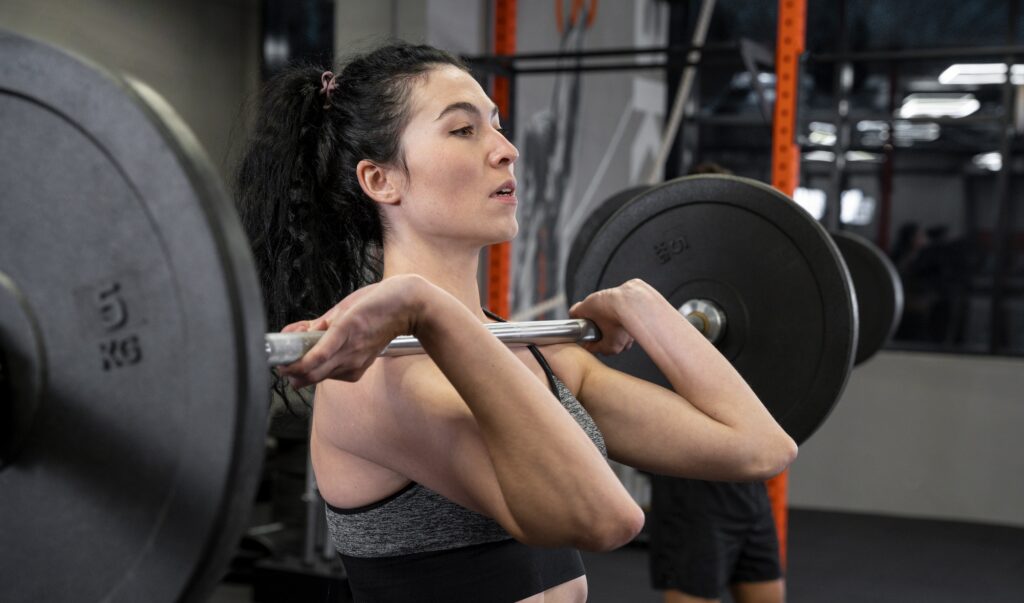
Introduction to Strength Training for Women Strength training is often misunderstood. It’s an exercise form that not only enhances physical strength but also boosts mental well-being. Understanding the benefits and debunking the myths surrounding strength training can significantly impact your fitness journey and overall health. While some women worry about becoming too muscular, it’s crucial to recognize that strength training offers a myriad of benefits beyond aesthetics, such as body transformation. By embracing strength training, you’re not only investing in your physical capabilities but also in your long-term health. The Science behind Strength Training and Muscle Growth Muscle hypertrophy, the increase in muscle size, occurs when the muscle fibers are subjected to stress and tension during weightlifting. This process causes microscopic damage to the fibers, which the body repairs and rebuilds. The role of hormones in muscle growth is also significant. Testosterone plays a vital role in muscle development, and since women naturally have lower levels of this hormone, their potential for large muscle growth is limited. Nutrition is another critical factor in muscle growth. Consuming adequate protein provides the building blocks necessary for muscle repair, body transformation and growth. A balanced diet supports overall health and enhances the effectiveness of strength training. By understanding these scientific principles, you can optimize your strength training results. Benefits of Strength Training for Women The advantages of strength training extend far beyond mere physical appearance. One of its most significant benefits is the improvement of bone density, helping prevent osteoporosis, a condition that disproportionately affects women as they age. Strength training also contributes to better balance and coordination. By strengthening the muscles that support your joints, you enhance your ability to move confidently and safely. Moreover, strength training has profound mental health benefits. The release of endorphins during a workout and body transformation session can boost your mood and alleviate symptoms of anxiety and depression. Engaging in regular strength training can lead to increased self-esteem and a more positive body image. How Strength Training Affects Body Composition Body composition refers to the proportion of fat and non-fat mass in your body. Strength training plays a pivotal role in altering body composition by increasing muscle mass and reducing body fat. This process, known as the “afterburn effect,” ensures that your metabolism remains elevated for hours after a workout. In addition to fat loss, strength training can enhance muscle definition, giving your body a more toned and athletic appearance. By focusing on body composition rather than just the number on the scale, you can achieve a healthier and more sustainable relationship with your body and fitness goals. Debunking Common Myths: Why Lifting Won’t Make Them Bulky Many women worry that lifting weights will make them bulky, but this is a common misconception. Due to naturally lower testosterone levels, women have a much harder time building large muscle mass. Instead, strength training helps develop lean, toned muscles that create a sculpted appearance. Another myth is that cardio is the only effective way to lose weight. In reality, strength training plays a vital role by increasing lean muscle mass, which boosts metabolism and helps the body burn more calories even at rest. There is also a belief that strength training can cause injuries. However, when performed with proper form and technique, it is one of the safest types of exercise. It strengthens tendons, ligaments, and joints, reducing the risk of injury in daily activities. By dispelling these myths, women can confidently embrace strength training as part of their fitness routine and enjoy its numerous physical and mental health benefits. Proper Techniques for Effective Strength Training Adopting proper techniques is crucial for maximizing the benefits of strength training while minimizing the risk of injury. Proper form ensures that the targeted muscles are activated effectively, reducing strain on joints and ligaments. Engaging in a balanced routine improves overall strength and enhances functional fitness, making everyday activities easier. Strength Training for Different Fitness Levels Strength training is accessible to individuals at all fitness levels, from beginners to advanced athletes. Beginners can start with bodyweight exercises or light resistance to build a foundation of strength and endurance. As strength improves, gradually incorporating free weights and machines can enhance progress. Intermediate lifters should focus on refining their technique and adding variety to their workouts to prevent plateaus and keep motivation high. Advanced lifters benefit from structured training plans that cycle through phases of varying intensity and volume to promote continuous progress while avoiding overtraining. Regardless of your fitness level, maintaining consistency and gradually increasing the challenge in your workouts are essential to reaching your strength training goals. Incorporating Strength Training into Your Routine Start by assessing your current schedule and identifying opportunities to incorporate strength sessions. Aim for at least two to three strength training sessions per week, allowing for adequate rest and recovery between workouts. Create a balanced routine by combining strength training with cardiovascular and flexibility exercises to ensure comprehensive fitness and overall health. To stay motivated, set realistic and measurable goals. Tracking your progress can help you stay focused and celebrate your achievements along the way. Conclusion Embracing strength training as part of your fitness routine can transform both your physical and mental well-being. By debunking myths and understanding the science behind muscle growth, you can approach strength training with confidence and enthusiasm. The benefits extend beyond aesthetics, contributing to a healthier and more active lifestyle. Strength training is about empowering yourself, improving your health, and enhancing your quality of life. As you embark on your journey, prioritize consistency, proper technique, and a positive mindset.
Diabetes-Friendly Snacks You’ll Actually Enjoy

Understanding Diabetes-Friendly Snacks When living with diabetes, selecting the right snacks becomes crucial for maintaining balanced blood sugar levels. Diabetes-friendly snacks are designed to provide you with energy, nutrients, and satisfaction without causing sharp spikes in your blood sugar. These snacks typically have a low glycemic index and are rich in fiber, healthy fats, and protein. Choosing whole foods, such as fruits, nuts, and whole grains, can help you create satisfying snacks that align with your health and body transformation goals. Incorporating diabetes-friendly snacks into your diet doesn’t mean you have to compromise on taste. The key is to focus on moderation and portion control, ensuring that your snacks complement your overall dietary needs. Nutritional Guidelines for Diabetes-Friendly Snacks When choosing diabetes-friendly snacks, it’s important to adhere to certain nutritional guidelines that promote stable blood sugar levels. A crucial aspect is focusing on fiber-rich foods. Incorporating foods like vegetables, whole grains, and legumes into your snack routine can be very beneficial. Another guideline is to include healthy fats and proteins in your snacks. These macronutrients help slow down the digestion process, preventing rapid glucose spikes. Consider options like nuts, seeds, lean meats, and dairy products, key components that can support your body transformation by promoting sustained energy and muscle maintenance. Portion control is also a vital consideration. Even healthy snacks can lead to excessive calorie intake if consumed in large quantities. Being mindful of serving sizes and sticking to recommended portions can help you maintain a balanced diet. Types of Snacks to Consider There are numerous types of snacks that can fit into a diabetes-friendly diet. Some of the most popular options include: Store-Bought Options for Diabetes-Friendly Snacks When selecting packaged snacks, focus on those that are low in sugar and free from refined carbohydrates. How to Read Labels for Healthy Snack Choices Understanding food labels is crucial when selecting diabetes-friendly snacks. Here are key elements to look for on nutrition labels: Tips for Snacking on the Go Maintaining a healthy snacking routine can be challenging when you’re constantly on the move. Here are some tips to help you stay on track: Conclusion Managing diabetes doesn’t mean you have to give up on enjoying delicious snacks. By making informed choices, focusing on portion control, and selecting nutrient-rich options, you can indulge in satisfying snacks without compromising your health. It’s important to incorporate a balance of macronutrients, read labels carefully, and make mindful choices to support your blood sugar levels and overall well-being.
How Regular Physiotherapy Can Prevent Long-Term Disability

Understanding Mobility and Disability Mobility is a fundamental aspect of daily life, allowing you to perform necessary tasks and engage in activities that bring joy and fulfillment. When mobility is compromised, it can significantly affect your quality of life, leading to frustration and a sense of dependency. Disability can be defined as a physical or mental condition that limits a person’s movements, senses, or activities. Long-term disability can arise from various causes, such as chronic diseases, acute injuries, or congenital conditions. Many individuals with disabilities continue to lead active, fulfilling lives with the right support and interventions, and a focus on achievable body transformation goals tailored to their abilities. The interplay between mobility and disability highlights the importance of proactive measures. By understanding the potential risks and factors leading to reduced mobility, you can take steps to mitigate these risks, ensuring that you maintain your independence and ability to engage fully in life. Common Causes of Long-Term Disability Long-term disability can arise from a myriad of sources, each presenting unique challenges. Some common causes include: By recognizing these common causes, you can take proactive steps to manage your health. Regular check-ups and a healthy lifestyle can help prevent long-term disability. How Regular Physiotherapy Can Prevent Disability and Enhance Mobility Regular physiotherapy sessions are essential in preventing the progression of mobility issues into long-term disabilities. By focusing on strengthening, body transformation, flexibility, and balance exercises, physiotherapy helps maintain the integrity of muscles and joints. This proactive approach improves coordination, reducing the risk of falls particularly critical for older adults, as falls are a leading cause of disability. Physiotherapy also addresses the importance of posture and ergonomic practices. Poor posture can lead to chronic pain and musculoskeletal issues, which, if left uncorrected, may result in long-term disability. Physiotherapists provide personalized guidance on maintaining proper posture and modifying daily activities to prevent strain and injury. Moreover, physiotherapy employs various techniques to enhance mobility, including: Manual Therapy: Involves mobilization and manipulation of muscles and joints to reduce pain and restore movement. Exercise Therapy: Tailored programs designed to improve strength, flexibility, and endurance, which are crucial for maintaining independence and preventing deterioration. Electrotherapy: Modalities such as ultrasound, TENS, and electrical stimulation are used to promote healing, reduce pain, and enhance muscle strength. By integrating these physiotherapy techniques into your routine, you can significantly enhance your mobility and prevent the development of long-term disability. The Importance of Early Intervention Early intervention in physiotherapy is paramount in preventing long-term disability. The sooner you address mobility issues, the more effective the treatment will be. Early intervention allows for a focused approach to managing symptoms and preventing the progression of conditions that could lead to disability. By starting rehabilitation early, you can minimize the impact of the injury and regain function more quickly. This proactive approach not only improves outcomes but also enhances your overall quality of life. This proactive approach increases motivation and treatment adherence, maximizing the benefits of physiotherapy. Creating a Personalized Physiotherapy Plan Creating a personalized physiotherapy plan is essential for achieving optimal outcomes. A tailored approach considers your unique health status, goals, and lifestyle, ensuring that the interventions are both effective and sustainable. By following a personalized plan, you enhance your recovery and prevention, improving your quality of life and reducing the risk of long-term disability. Finding the Right Physiotherapist for Your Needs Consider the following factors when choosing a physiotherapist: Conclusion Embracing mobility through regular physiotherapy is a powerful strategy for improving quality of life and preventing long-term disability. By understanding the role of physiotherapy, you can take proactive steps to protect your health. Whether managing a chronic condition, recovering from an injury, or enhancing overall well-being, physiotherapy offers valuable tools to achieve your goals. With the right support and interventions, you can unlock your mobility and embrace a life of independence. Take the first step today by reaching out to a qualified physiotherapist and exploring the possibilities that await you.
Training Over 40: What You Need to Know About Aging & Fitness

Reaching your 40s can feel like a crossroads when it comes to fitness. Your body doesn’t bounce back like it used to, recovery takes longer, and new aches seem to appear out of nowhere. But here’s the good news: getting older doesn’t mean giving up on performance or physique—it just means training smarter, not harder. Whether you’re starting fresh or adjusting your long-standing routine, understanding how aging affects your body is the key to unlocking results without injury or burnout. Here’s what you need to know. 1. Your Body Changes—But that’s Not a Bad Thing After 40, most people experience a natural decline in muscle mass, flexibility, hormone levels, and bone density. This is known as sarcopenia, and it can begin as early as your 30s, with muscle mass decreasing by about 1% per year if left unchecked. But this doesn’t mean you’re doomed to get weaker or softer. Resistance training, mobility work, body transformation and proper nutrition can slow or even reverse many of these effects. The key? Consistency and intentionality. 2. Prioritize Strength Training Strength training is non-negotiable after 40. It helps preserve muscle mass, increases metabolism, improves joint health, and supports better posture and balance. Focus on compound movements (like squats, deadlifts, presses, and rows) and incorporate both bodyweight and resistance exercises. You don’t need to lift heavy to make progress; moderate weight with proper form and volume is often more effective—and safer—for long-term gains. Start with 2–4 strength sessions per week for body transformation, depending on your fitness level and schedule. And don’t be afraid to get a coach or trainer to help fine-tune your form. 3. Recovery Is a Superpower You can’t out-train poor recovery, especially after 40. As you age, your body’s ability to repair itself slows down. That means sleep, mobility work, hydration, and stress management become just as important as your workouts. 4. Nutrition Needs Shift Your metabolism gradually slows as you age, which can lead to weight gain if calorie intake isn’t adjusted. But it’s not just about eating less—it’s about eating better. 5. Mindset Matters More Than Ever Staying fit over 40 is as much a mental game as a physical one. It’s easy to get frustrated when progress seems slower, or you can’t push as hard as you once did. But this is a perfect time to shift your focus toward longevity rather than intensity. Training now isn’t just about looking good—it’s about staying functional, pain-free, and active for decades to come. Celebrate the wins, stay patient with setbacks, and stay curious about your body’s capabilities. 6. Listen to Your Body (But Don’t Baby It) There’s a fine line between pushing through discomfort and knowing when to rest. After 40, you need to tune into your body’s signals more closely. Soreness is normal; sharp pain is not. Fatigue is normal; chronic fatigue syndrome is not. But don’t use age as an excuse to go soft. Your body is capable of far more than you think—it just needs the right stimulus and proper care. Final Thoughts Fitness after 40 isn’t about limitations—it’s about opportunity. It’s your chance to build a strong, resilient, and balanced body that supports you through every chapter of life. With a smart approach to training, recovery, and nutrition, you can continue to gain strength, energy, and vitality well into your 50s, 60s, and beyond. Don’t think of aging as a decline—think of it as an evolution. You’ve got wisdom, experience, and grit on your side. Now it’s just about putting it all to work.