
Mild dehydration occurs when your body loses more fluids than it takes in, but not to a severe extent. Typically, mild dehydration involves losing about 1-2% of your body’s water content. This condition may seem insignificant, but even slight dehydration can have noticeable effects on your well-being and physical abilities.
Water is crucial for maintaining your body’s functions, including regulating temperature, transporting nutrients, and removing waste. When you don’t consume enough fluids, these processes can be compromised, leading to decreased performance and increased fatigue. Mild dehydration is especially common during exercise, as you lose water through sweat and respiration. Staying properly hydrated can also support your body transformation by helping you maintain energy and exercise performance.
Recognizing the subtlety of mild dehydration is essential, as it often goes unnoticed. Unlike severe dehydration, which presents more obvious symptoms, mild dehydration may manifest more subtly, impacting your exercise routine in unexpected ways.
The Physiological Effects of Mild Dehydration on the Body
When you’re mildly dehydrated, your body’s physiological responses are affected in several ways. Primarily, the lack of adequate hydration can lead to a decrease in blood volume. This reduction forces your heart to work harder to pump blood, increasing your heart rate even during rest or light activity.
Muscle function also suffers when you’re not properly hydrated. Electrolytes, which are critical for muscle contraction and nerve function, may become imbalanced. This imbalance can cause muscle cramps, weakness, and reduced coordination, making physical tasks more challenging. Proper hydration can help support muscle performance during your body transformation journey.
Furthermore, dehydration affects your body’s ability to regulate temperature. As your body struggles to cool itself through sweat, you may experience an increase in core temperature, which can lead to overheating and a decreased ability to endure prolonged physical exertion.
How Mild Dehydration Impacts Physical Performance
Physical performance can be significantly hampered by mild dehydration. Even a small fluid deficit can lead to noticeable declines in endurance, strength, and overall exercise capacity. This is particularly concerning for athletes and fitness enthusiasts striving for peak performance.

One of the primary ways mild dehydration affects performance is through increased perceived exertion. Activities that usually feel manageable may become more strenuous, requiring additional effort to maintain the same level of intensity. This can make body transformation efforts more challenging by impacting your ability to perform and reducing your motivation to continue.
Additionally, dehydration can impair cognitive function, affecting your focus and reaction times. This is crucial in sports or workouts requiring quick decision-making or coordination. A lack of concentration can lead to mistakes or accidents, further highlighting the importance of staying adequately hydrated.
The Relationship Between Mild Dehydration and Endurance During Exercise
Endurance during exercise is significantly influenced by your hydration status. Mild dehydration can quickly deplete your stamina, particularly in activities requiring prolonged effort, such as running, cycling, or swimming. The body’s ability to sustain physical activity over time is compromised, leading to earlier onset of fatigue.
During endurance activities, the body relies on a steady supply of oxygen and nutrients. Dehydration hinders this supply by reducing blood flow and plasma volume, which are essential for transporting oxygen throughout the body. As a result, your muscles receive less oxygen, leading to an accumulation of lactate and early fatigue.
Moreover, maintaining hydration supports optimal metabolic function, allowing your body to efficiently convert nutrients into energy. Without adequate hydration, this energy conversion is less effective, further reducing your endurance capabilities. Ensuring you’re well-hydrated can help extend your endurance and improve overall performance.
Recognizing the Signs and Symptoms of Mild Dehydration
Identifying mild dehydration can be challenging, as its signs are often subtle and easily overlooked. However, being aware of these symptoms can help you address dehydration before it impacts your performance. Common signs include:

- Thirst: Although it may seem obvious, thirst is a natural indicator that your body needs more fluids.
- Dry Mouth and Lips: Lack of moisture in these areas can be an early sign of dehydration.
- Fatigue: Feeling unusually tired or sluggish can indicate a lack of adequate hydration.
- Dizziness or Lightheadedness: This can occur when your body struggles to maintain blood pressure due to fluid loss.
- Dark Urine: A darker color than usual is a clear sign that you need to increase your water intake.
By monitoring these signs, you can adjust your hydration habits accordingly, ensuring that mild dehydration doesn’t hinder your physical activities.
Strategies for Preventing Mild Dehydration During Workouts
Preventing mild dehydration requires a proactive approach to fluid intake, particularly before, during, and after exercise. Here are some strategies to maintain optimal hydration levels:
- Pre-Hydrate: Begin hydrating well before your workout. Aim to drink at least 16-20 ounces of water 2-3 hours prior to exercise.
- Hydrate During Exercise: Consume 8-10 ounces of water every 20 minutes during your workout, adjusting based on intensity and environmental conditions.
- Rehydrate Post-Exercise: Replace lost fluids by drinking 16-24 ounces of water for every pound of body weight lost during exercise.
Incorporating these habits into your routine can help mitigate the risks of mild dehydration, allowing you to maintain performance and recovery effectively.
Hydration Best Practices for Athletes and Fitness Enthusiasts
For athletes and fitness enthusiasts, maintaining hydration is crucial for maximizing performance and recovery. Here are some best practices to ensure you’re properly hydrated:
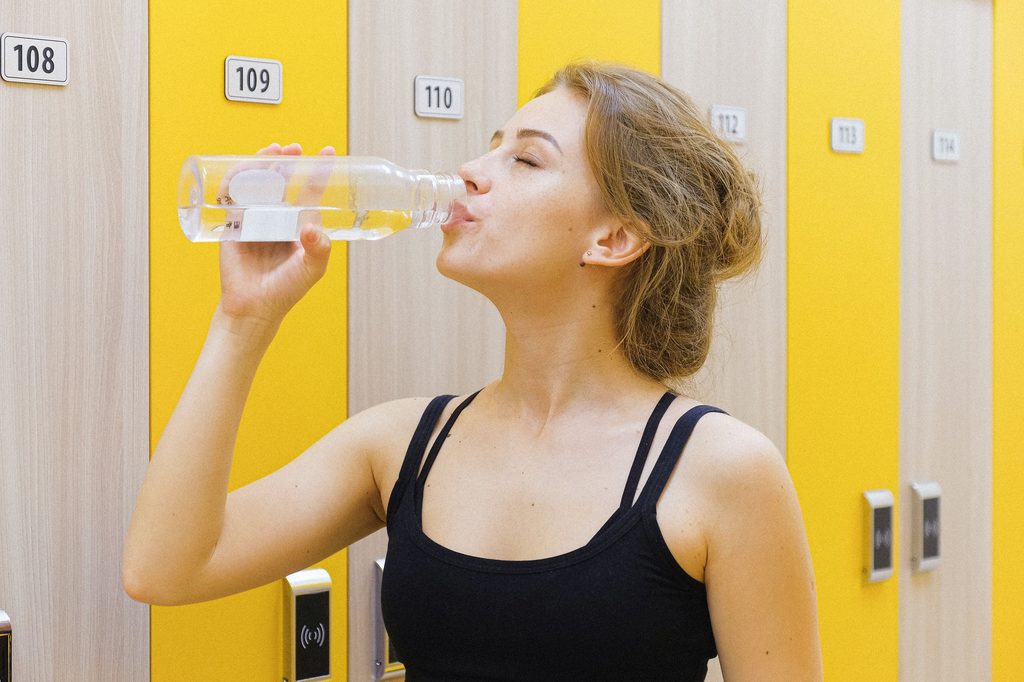
- Develop a Hydration Plan: Tailor your fluid intake based on individual needs, considering factors like body weight, exercise intensity, and climate.
- Use a Hydration Calculator: Online tools can help estimate your fluid requirements based on specific variables.
- Monitor Urine Color: Keep an eye on the color of your urine; it should be light yellow, indicating adequate hydration.
- Incorporate Hydrating Foods: Include water-rich foods in your diet, such as fruits and vegetables, to supplement fluid intake.
By adopting these practices, you can optimize your hydration status, supporting both your athletic performance and overall health.
The Role of Electrolytes in Hydration and Performance
Electrolytes play a vital role in maintaining fluid balance and supporting muscle function during exercise. These minerals, including sodium, potassium, and magnesium, are lost through sweat and need to be replenished to maintain optimal performance.
During intense workouts, consider using electrolyte-enhanced drinks or supplements to replace lost minerals. This can help prevent imbalances that lead to cramps, fatigue, and other performance issues. It’s also important to balance electrolyte intake with water consumption to avoid diluting these essential nutrients.
Understanding the role of electrolytes can enhance your hydration strategy, ensuring that your body functions efficiently during physical activities. Incorporating electrolyte-rich foods, such as bananas, nuts, and leafy greens, can also help maintain balance.
Myths and Misconceptions About Dehydration and Exercise
Several myths about dehydration and exercise persist, leading to confusion about the best hydration practices. Here are some common misconceptions:
- Myth 1: Thirst is a Reliable Indicator: By the time you feel thirsty, you may already be dehydrated. It’s important to drink fluids regularly, not just when you feel the need.
- Myth 2: All Fluids Hydrate Equally: Not all beverages are equally effective for hydration. Water is the best choice, while caffeinated or alcoholic drinks can contribute to dehydration.
- Myth 3: Overhydration Isn’t a Concern: Drinking too much water can lead to hyponatremia, a dangerous condition where sodium levels become diluted. Balance is key.
Dispelling these myths is crucial for developing an effective hydration strategy that supports your exercise and health goals.
Conclusion: The Importance of Staying Hydrated for Optimal Performance
Staying properly hydrated is fundamental to achieving your physical performance goals and maintaining overall health. Mild dehydration, though easily overlooked, can have a substantial impact on your endurance, strength, and cognitive function during exercise. By understanding the signs, effects, and prevention strategies, you can ensure that dehydration doesn’t hinder your progress.