

Understanding Physiotherapy and Its Role in Recovery
Physiotherapy plays a pivotal role in the rehabilitation process following an injury. It involves treatments and exercises designed to restore function, improve mobility, and reduce pain. Whether it’s a sports injury, chronic condition, or post-surgical recovery, physiotherapy is essential in regaining quality of life.
The primary goal is to help you return to normal activities as quickly and safely as possible through personalized programs tailored to your needs. Physiotherapists use a variety of techniques to improve strength, flexibility, and function, while also addressing the root causes of injury. Whether you’re recovering from an accident or working toward a body transformation, these specialists design targeted interventions that enhance overall mobility and prevent future issues, making physiotherapy a vital part of comprehensive healthcare.
Common Types of Injuries Requiring Physiotherapy
Physiotherapy is essential for a wide range of injuries, from acute incidents to chronic conditions. Sports injuries such as sprains, strains, and fractures often require professional guidance to ensure proper healing and prevent long-term damage. These typically involve muscles, ligaments, or bones, making physiotherapy critical to recovery.
Post-operative rehabilitation is another common area, especially after surgeries like knee replacements or rotator cuff repairs. Physiotherapy plays a crucial role in supporting your body transformation journey by helping restore mobility and strength while reducing scar tissue and recovery time.

Chronic conditions like arthritis and back pain also benefit from physiotherapy. Treatment focuses on managing pain and improving function through tailored exercises. This not only relieves discomfort but also supports daily activity and overall quality of life.
How Physiotherapy Accelerates Healing
Physiotherapy accelerates healing through a combination of techniques that promote effective recovery. Manual therapy uses hands-on methods to mobilize joints and soft tissues, reducing pain and increasing circulation for faster tissue repair.
Exercise therapy, another key component, improves strength and flexibility through tailored exercises and body transformation that restore normal movement and support the injured area, lowering the risk of re-injury.
Physiotherapists may also use modalities such as heat, cold, and ultrasound to boost blood flow and reduce inflammation. Each technique targets specific aspects of healing, making recovery more efficient and effective.
Key Benefits of Physiotherapy for Injury Recovery
Physiotherapy provides several key benefits for injury recovery, starting with effective pain reduction. It manages pain through targeted techniques, minimizing the need for medication and its potential side effects.
It also helps restore movement and function by focusing on the injured area to improve strength and flexibility. This accelerates recovery and supports a quicker return to daily activities.
Furthermore, physiotherapy plays a preventive role by identifying and addressing issues that may lead to future injuries, promoting long-term health and reducing the risk of recurrence.
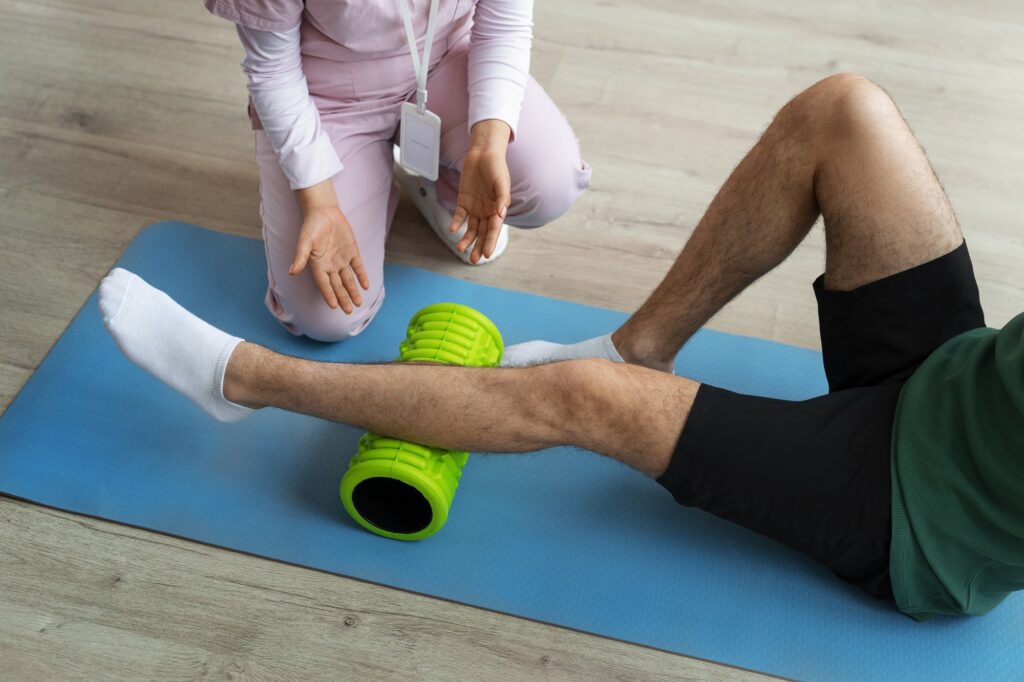
Physiotherapy Exercises for Post-Injury Rehabilitation
Post-injury rehabilitation through physiotherapy exercises is a structured, personalized process aimed at improving strength, flexibility, and endurance—key components of full recovery.
- Stretching Exercises: These help increase flexibility and range of motion. Regular stretching can prevent stiffness and improve circulation to the injured area.
- Strengthening Exercises: These focus on rebuilding muscle strength around the injured area. By doing so, they provide better support and stability, reducing the risk of re-injury.
- Balance and Coordination Exercises: These are vital for restoring proprioception, which is the body’s ability to sense its position in space. Improved balance and coordination are crucial for preventing falls and other injuries.
Performing these exercises under a physiotherapist’s guidance ensures safety and proper technique. Each activity is adapted to your progress, promoting steady and effective recovery.
Choosing the Right Physiotherapist for Your Needs
Selecting the right physiotherapist is essential for a successful recovery. Start by seeking recommendations from your healthcare provider or trusted individuals with positive experiences. Prioritize best physiotherapists in Islamabad who specialize in your type of injury.
Check their qualifications and ensure they are licensed, with a proven track record in treating similar conditions. Specialized experience can significantly impact the quality of care.
Communication is also important. In your first consultation, observe whether the physiotherapist listens to your concerns and clearly explains their approach. A good physiotherapist will collaborate with you to create a personalized treatment plan that aligns with your goals.

Conclusion
Embracing physiotherapy as part of your recovery can significantly enhance healing by addressing pain, restoring function, and preventing future injuries. Its personalized approach ensures care is tailored to your specific needs and goals.
Choosing the right physiotherapist is key to achieving the best outcomes—whether you’re recovering from a sports injury, surgery, or managing a chronic condition.
Taking proactive steps toward recovery with professional guidance can lead to a healthier, more active future.