
In today’s fast-paced digital era, neck stiffness has become an increasingly common complaint among individuals of all ages. As digital devices become more integrated into our daily lives, the incidence of neck discomfort has surged, posing new health challenges. This condition, often characterized by pain and restricted movement, can significantly impact your quality of life if left unaddressed.
The modern lifestyle, dominated by screens and prolonged sitting, has altered the way we use our bodies. You may not realize how much time you spend looking at screens, but these habits can take a toll on your neck and spine. The convenience of technology, while beneficial, has inadvertently contributed to physical ailments that were less prevalent in previous generations, which can also hinder a healthy body transformation if posture and physical activity are neglected.
Understanding the causes and solutions for neck stiffness in this digital age is crucial for maintaining optimal health and well-being. By recognizing the factors that contribute to this condition, you can take proactive steps to mitigate its effects and enhance your overall quality of life.
Common Causes of Neck Stiffness
Neck stiffness can arise from a variety of factors, many of which are linked to our modern lifestyle. One of the primary causes is poor posture, often resulting from prolonged use of computers and smartphones. When you hunch over a screen, your neck muscles are strained, leading to discomfort and stiffness over time.
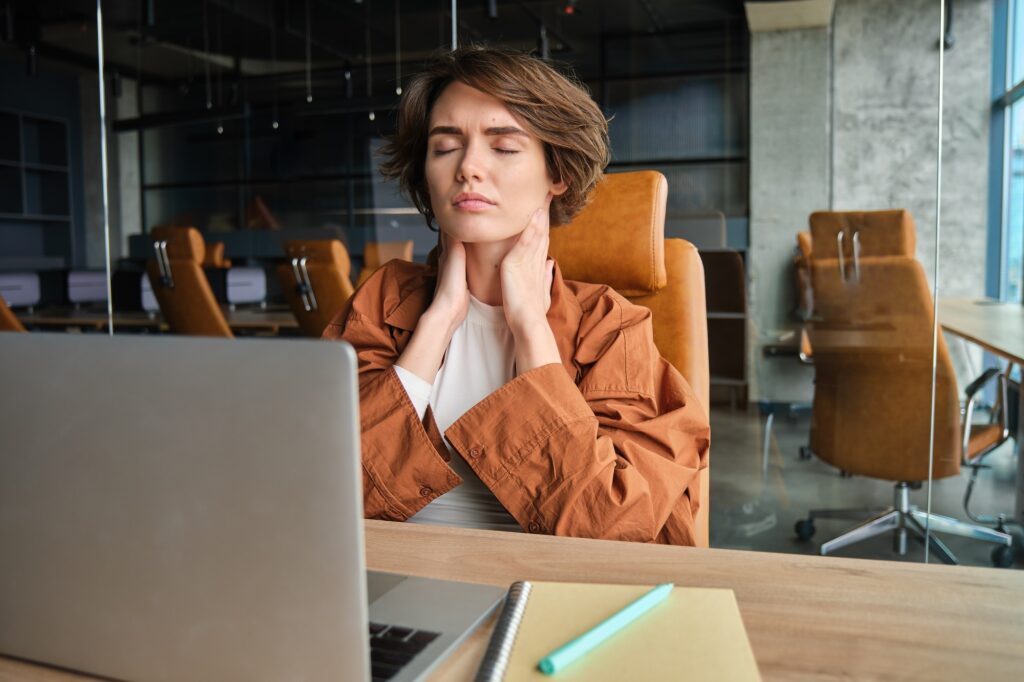
Another significant cause is the lack of physical activity. A sedentary lifestyle can weaken the muscles that support your neck and spine, making them more susceptible to strain and injury. It’s essential to incorporate regular movement into your routine to keep these muscles strong and flexible.
Additionally, stress and tension can manifest physically, causing your neck muscles to tighten and become stiff. Mental stress can lead you to unconsciously clench your muscles, contributing to discomfort. Understanding these causes can help you identify and correct habits that may be hindering your body transformation and overall physical well-being.
The Impact of Technology on Neck Health
The role of technology in our daily lives cannot be overstated, but it has a profound impact on neck health. The term “tech neck” has emerged to describe the neck pain and stiffness associated with looking down at digital devices for extended periods. This repetitive motion can lead to significant strain on your neck muscles and cervical spine.
Moreover, the constant use of smartphones and tablets can disrupt your natural posture. When you tilt your head forward to look at a screen, it increases the load on your neck, leading to fatigue and discomfort. Over time, this can result in chronic pain and long-term damage if not addressed.
The pervasive nature of technology means that avoiding these devices is not a practical solution. Instead, finding ways to use technology mindfully and adopting healthy habits can help you mitigate its negative effects on neck health. By being aware of how technology impacts your body, you can take steps to protect your neck from unnecessary strain and support your ongoing body transformation goals.
Symptoms Associated with Neck Stiffness
Neck stiffness can present with a range of symptoms, some of which might be more severe than others. Commonly, you might experience a dull, aching pain localized to the neck area, often worsening with movement. This discomfort can sometimes radiate to your shoulders or upper back, causing additional strain.
In addition to pain, you may notice a decrease in your range of motion. Simple tasks like turning your head from side to side or looking up and down can become challenging. This reduced mobility can interfere with your daily activities, making it difficult to perform routine tasks comfortably.
Other symptoms can include headaches, particularly tension headaches, which are often linked to neck stiffness. These headaches can cause additional discomfort and may require specific treatments to alleviate. Recognizing these symptoms early allows you to address them promptly and prevent further complications.
Preventive Measures for Neck Stiffness
Taking preventive measures is vital to safeguard your neck health. Start by being mindful of your posture while using digital devices. Ensure that your screen is at eye level and your back is supported to avoid unnecessary strain on your neck. Regularly check your posture and make adjustments as needed.
Incorporating regular breaks into your routine can also be beneficial. Every 30 minutes, take a short break to stretch and move around. This simple habit can significantly reduce the tension in your neck muscles and promote better circulation. Consider setting reminders to help you stay consistent with these breaks.

Engaging in regular physical activity is another effective way to prevent neck stiffness. Activities such as yoga, swimming, and Pilates can strengthen the muscles that support your neck and improve flexibility. These exercises can help counteract the effects of prolonged sitting and reduce your risk of developing neck pain.
Effective Solutions and Treatments for Neck Stiffness
When neck stiffness becomes a concern, several solutions and treatments can provide relief. Over-the-counter pain relievers, such as ibuprofen or acetaminophen, can help manage pain and reduce inflammation. However, these should be used sparingly and as directed by a healthcare professional.
Applying heat or cold therapy can also be effective in alleviating neck stiffness. A warm compress or heating pad can relax tense muscles, while an ice pack can reduce swelling and numb the area to relieve pain. Alternating between heat and cold therapy may provide the best results.
For more persistent cases, physical therapy can be beneficial. A licensed physical therapist can guide you through exercises and stretches specifically designed to address neck stiffness. They can also provide education on posture and ergonomics to help prevent future occurrences.
Ergonomic Tips for Reducing Neck Strain
Adopting ergonomic practices in your workspace can significantly reduce neck strain. Ensure that your chair provides adequate support for your lower back and that your desk is at the correct height. Your feet should be flat on the floor, and your knees should be at a 90-degree angle.
Position your computer monitor at eye level so that you do not have to tilt your head up or down. Consider using a document holder to keep papers at eye level if you frequently reference them while working. These adjustments can promote a more natural posture and reduce the load on your neck.
Investing in ergonomic accessories, such as a keyboard and mouse, can also make a difference. These items are designed to keep your wrists and hands in a neutral position, reducing the risk of strain. By creating an ergonomic workspace, you can work more comfortably and decrease the likelihood of neck stiffness.
Exercises to Alleviate Neck Stiffness
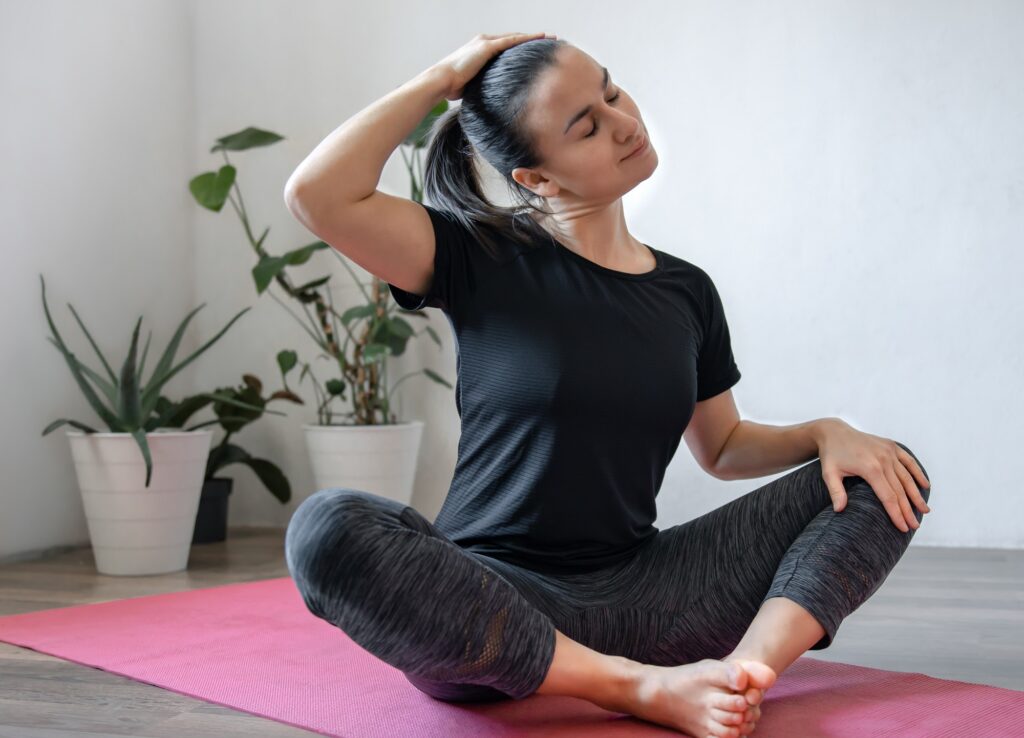
Incorporating specific exercises into your routine can help alleviate neck stiffness. Neck stretches, such as the side neck stretch and the chin tuck, can release tension and improve flexibility. Perform these stretches gently and hold each position for 15-30 seconds.
Strengthening exercises, such as the shoulder blade squeeze and the wall angels, can also support neck health. These exercises target the muscles in your upper back and shoulders, enhancing their ability to support your neck. Aim to perform these exercises a few times a week for the best results.
In addition to these targeted exercises, regular cardiovascular activities, such as walking or cycling, can improve overall muscle tone and circulation. A well-rounded exercise regimen can keep your body strong and resilient, reducing the likelihood of neck stiffness.
When to Seek Professional Help
While many cases of neck stiffness can be managed with self-care, there are times when professional help is necessary. If you experience severe pain, numbness, or tingling in your arms or hands, it’s important to seek medical attention promptly. These symptoms could indicate a more serious underlying condition.
Persistent neck stiffness that does not improve with home remedies may also warrant a visit to a healthcare provider. A doctor can assess your symptoms, perform diagnostic tests, and recommend appropriate treatments. Early intervention can prevent further complications and promote faster recovery.
Consulting with a chiropractor or physical therapist can also provide valuable insights and guidance. These professionals specialize in musculoskeletal health and can offer personalized advice on managing and preventing neck stiffness. Don’t hesitate to reach out for help if your symptoms are affecting your daily life.
Conclusion: Embracing a Healthier Digital Lifestyle
In conclusion, understanding the rise of neck stiffness in the digital era is essential for maintaining your health and well-being. By recognizing the causes and symptoms of this condition, you can take proactive steps to prevent and manage its effects. Adopting ergonomic practices and incorporating regular exercise into your routine can significantly reduce your risk of developing neck pain.
As technology continues to evolve, it’s crucial to remain mindful of its impact on your body. Embracing a healthier digital lifestyle means finding a balance between the convenience of technology and the need for physical well-being. By making small adjustments to your habits and environment, you can enjoy the benefits of technology without compromising your health.