Why Weight Loss Maintenance Deserves More Attention

Weight loss maintenance is the practice of sustaining your weight after you have achieved your weight loss goals. While losing weight can be challenging, maintaining that loss requires a different set of skills and strategies. It’s about finding a balance that allows you to enjoy your life while keeping your weight stable. The concept of weight loss maintenance encompasses more than just numbers on a scale. It involves making lifestyle changes that contribute to overall health and well-being during your body transformation journey. This means adopting habits that you can sustain long-term, rather than relying on quick fixes or extreme measures that are difficult to maintain over time. To maintain weight effectively, it’s crucial to understand the factors that contribute to weight regain. These can include biological factors such as metabolic changes and psychological factors like emotional eating. By identifying these challenges early on, you can develop a strategy to address them proactively. The Importance of Long-Term Focus on Weight Loss Focusing on long-term weight loss maintenance is essential for several reasons. Firstly, it helps prevent the yo-yo dieting cycle, which can be detrimental to your physical and mental health. Consistently losing and regaining weight can lead to muscle loss, metabolic slowdown, and increased risk of chronic diseases. Moreover, a long-term focus fosters a healthier relationship with food, exercise, and body image. Instead of viewing weight loss as a temporary goal, embracing it as a lifelong journey encourages you to make choices that benefit your health in the long run. This perspective shift can lead to more sustainable habits and a more fulfilling lifestyle. Finally, maintaining your weight loss can boost your confidence and self-esteem. Achieving long-term success in weight management demonstrates your ability to set goals and accomplish them during your body transformation journey, which can positively impact other areas of your life. By focusing on the bigger picture, you can build a foundation for lasting health and happiness. Common Challenges in Weight Loss Maintenance Maintaining weight loss can be fraught with challenges, many of which are common among individuals striving for lasting success. One significant hurdle is the natural tendency for your body to return to its previous weight. This biological mechanism can make it difficult to sustain weight loss without conscious effort. Another common challenge is the temptation to revert to old habits. After reaching a weight loss goal during your body transformation journey, it’s easy to fall back into previous patterns of eating and physical activity. The key to overcoming this challenge is to remain vigilant and committed to the new lifestyle changes that helped you achieve your goal. Social and environmental factors can also pose challenges in maintaining weight loss. Family gatherings, social events, and even workplace settings can present situations where unhealthy food choices are prevalent. Developing strategies to navigate these scenarios can help you stay on track and maintain your progress. Key Strategies for Successful Weight Loss Maintenance To successfully maintain your weight loss, it’s important to implement key strategies that support long-term success. One effective approach is to establish a routine that incorporates healthy eating and regular physical activity. Consistency is crucial in reinforcing the habits that led to your weight loss. Another strategy is to set realistic and manageable goals. Instead of striving for perfection, focus on making small, incremental changes that can be sustained over time. This approach can prevent feelings of overwhelm and increase your likelihood of maintaining your weight loss. Additionally, monitoring your progress regularly can be a powerful tool in weight loss maintenance. Keeping track of your weight, dietary intake, and physical activity can help you identify patterns, recognize potential setbacks, and make necessary adjustments. This proactive approach can keep you on the path to long-term success. The Role of Mindset in Sustaining Weight Loss Your mindset plays a critical role in sustaining weight loss. A positive and growth-oriented mindset can significantly influence your ability to maintain your weight loss over time. By adopting a mindset that embraces change and challenges, you can navigate obstacles with resilience and determination. Cultivating self-compassion is another important aspect of mindset in weight loss maintenance. Acknowledging that setbacks are a natural part of the journey allows you to treat yourself with kindness and understanding. This approach can prevent feelings of guilt and self-criticism, which can otherwise derail your progress. Visualization and goal-setting are also powerful tools in fostering a mindset conducive to weight loss maintenance. By clearly defining your long-term goals and visualizing your success, you create a mental blueprint that guides your actions and decisions. This forward-thinking approach can keep you motivated and committed to your journey. Creating a Balanced and Sustainable Eating Plan Developing a balanced and sustainable eating plan is crucial for weight loss maintenance. Rather than restricting certain foods, focus on incorporating a variety of nutrient-dense options that support overall health. This approach ensures that you receive the necessary nutrients while enjoying a diverse and satisfying diet. A sustainable eating plan should include a balance of macronutrients—carbohydrates, proteins, and fats. Each of these plays a vital role in your body’s functioning and should be consumed in appropriate proportions. Creating meals that are rich in fiber, lean proteins, and healthy fats can help you feel full and satisfied. Additionally, practicing mindful eating can enhance your relationship with food. By paying attention to hunger cues, savoring each bite, and avoiding distractions during meals, you can develop a deeper awareness of your eating habits. This practice can help prevent overeating and promote a more intuitive approach to eating. Incorporating Physical Activity into Your Routine Physical activity is a cornerstone of weight loss maintenance. Regular exercise not only helps you maintain your weight but also improves your overall health and well-being. Finding activities you enjoy can make it easier to incorporate physical activity into your daily routine. A well-rounded exercise regimen should include a mix of cardiovascular, strength, and flexibility exercises. Cardiovascular activities like walking, running, or cycling can improve heart health and burn calories. Strength training exercises help build
Why Dehydration Slows Down Fat Loss Progress

Dehydration occurs when your body loses more fluids than it takes in, leading to an insufficient amount of water to carry out normal functions. This imbalance can result from various factors such as intense exercise, hot weather, or inadequate fluid intake. Your body is composed of about 60% water, and when this balance tips, dehydration sets in, affecting your overall health. Understanding how dehydration occurs is crucial, especially when you are on a fat loss journey. It’s easy to underestimate how much fluid you need, particularly if you are actively trying to lose weight. Increased physical activity or dietary changes can contribute to higher fluid loss, making it essential to monitor your hydration levels diligently. Proper hydration also plays a vital role in supporting a successful body transformation, helping to optimize performance, recovery, and overall health. Moreover, dehydration does not just happen due to lack of water; it can also result from losing electrolytes, which play a vital role in maintaining fluid balance. Electrolytes such as sodium, potassium, and magnesium help regulate nerve and muscle function, and their depletion can exacerbate dehydration symptoms. The Physiological Effects of Dehydration on the Body When dehydration sets in, your body starts to experience physiological changes that can hamper your health and fitness goals. One of the immediate effects is a reduction in blood volume, which forces your heart to work harder to pump oxygen and nutrients to your muscles. This increased workload can lead to fatigue and decreased performance during workouts. Dehydration also affects your body’s ability to regulate temperature. Without sufficient water, your body struggles to dissipate heat, leading to an increased risk of overheating and heat-related illnesses. This is particularly concerning during physical activities, as overheating can significantly impair exercise performance and recovery. Maintaining proper hydration is therefore essential for anyone pursuing a body transformation, as it supports both workout performance and effective recovery. Furthermore, dehydration can impact cognitive function. Reduced water intake affects your mood, concentration, and decision-making abilities, all of which are crucial when adhering to a fat loss program. Staying well-hydrated ensures that your mind remains sharp and focused, aiding in maintaining the motivation needed for your fitness journey. How Dehydration Affects Metabolism and Fat Loss Hydration plays a pivotal role in maintaining metabolic efficiency, which is essential for effective fat loss. Water is necessary for numerous metabolic processes, including the breakdown and transportation of nutrients. Dehydration can slow down these processes, leading to a reduced metabolic rate, ultimately hindering your ability to burn fat efficiently. When you’re dehydrated, your body may also mistake thirst for hunger, leading to unnecessary calorie consumption. This misinterpretation can derail your dietary efforts, making it harder to achieve a caloric deficit, which is crucial for fat loss. Ensuring adequate hydration can help regulate appetite and prevent overeating, supporting your weight loss goals and contributing to a successful body transformation. Additionally, dehydration can hinder lipolysis, the process by which your body breaks down fat stores for energy. A well-hydrated body is more efficient at metabolizing fat, making water an essential component of your fat loss toolkit. Prioritizing hydration not only supports metabolic processes but also enhances your body’s ability to utilize fat as a fuel source. Common Signs and Symptoms of Dehydration Recognizing the signs of dehydration is vital to prevent its detrimental effects on your body. Common symptoms include thirst, dry mouth, fatigue, and headache. You may also notice a decrease in urine output or darker urine, indicating a lack of sufficient fluids in your system. In more severe cases, dehydration can lead to dizziness, confusion, and rapid heartbeat. These symptoms require immediate attention as they indicate a significant fluid imbalance that could impact your health and fitness performance. Being aware of these signs allows you to take proactive steps to rehydrate and prevent further complications. It’s important to note that some symptoms of dehydration can mimic those of other conditions, making it essential to monitor your hydration status regularly. Simple methods like checking the color of your urine or keeping track of your fluid intake can help you stay on top of your hydration needs effectively. The Importance of Hydration in a Weight Loss Program Hydration is a cornerstone of any successful weight loss program. It supports various bodily functions and is integral to maintaining energy levels, enhancing exercise performance, and facilitating fat metabolism. Adequate hydration ensures that you have the stamina and focus required to adhere to your weight loss regimen. Maintaining proper hydration also supports digestive health, which is crucial for nutrient absorption and waste elimination. Efficient digestion helps optimize your body’s use of the nutrients you consume, enabling you to make the most of your dietary efforts. Water aids in the breakdown of food, helping your body absorb essential vitamins and minerals that support overall health and weight loss. Moreover, staying hydrated can improve the efficacy of your workouts by reducing fatigue and the risk of injury. Water acts as a lubricant for your joints and muscles, enhancing flexibility and reducing the likelihood of strains or sprains. Ensuring you are well-hydrated before, during, and after exercise is essential for maximizing the benefits of your physical activities. Tips for Staying Hydrated Throughout the Day Incorporating simple strategies into your daily routine can help ensure you remain hydrated. Start your day with a glass of water to replenish fluids lost during sleep. Carry a reusable water bottle with you to make it easy to sip water throughout the day, and aim to drink regularly rather than waiting until you feel thirsty. Incorporate water-rich foods into your diet, such as fruits and vegetables. Foods like cucumbers, watermelons, and oranges not only provide hydration but also supply essential nutrients and fiber. Making these foods a regular part of your meals can boost your overall fluid intake naturally. Setting reminders on your phone or using hydration-tracking apps can help you stay accountable and ensure you meet your daily water intake goals. These tools can be particularly helpful if you have a busy
Keto Beyond Weight Loss: How It Rewires Your Metabolism

The ketogenic diet, commonly known as the keto diet, has gained immense popularity for its effectiveness in weight loss. However, it is much more than just a weight-loss tool. By drastically reducing carbohydrate intake and replacing it with fats, the body enters a metabolic state called ketosis. This shift not only aids in shedding pounds but also fundamentally alters how your metabolism functions. In ketosis, your body becomes incredibly efficient at burning fat for energy, which can significantly support your body transformation goals. This metabolic process is a stark contrast to the traditional glucose-burning methods most people rely on. As a result, the keto diet has the potential to transform your energy levels, mental clarity, and overall health beyond just losing weight. Embarking on a keto journey can be life-changing. Whether you’re trying to manage a medical condition, improve your cognitive functions, or simply enhance your metabolic health, understanding the intricacies of the keto diet will empower you to make informed decisions about your wellness journey. Understanding Metabolism: What It Is and How It Works Metabolism is the set of life-sustaining chemical reactions in organisms, including converting food into energy, eliminating waste, and synthesizing necessary compounds. These processes are crucial for maintaining your body’s functionality and supporting activities ranging from breathing to thinking. At its core, metabolism involves two primary components: catabolism and anabolism. Catabolism breaks down molecules to obtain energy, while anabolism uses energy to construct components of cells such as proteins and nucleic acids, both of which play an important role in body transformation. Both processes are intricately connected, and their balance is crucial for optimal health. Your metabolic rate — the speed at which your body performs these reactions — can vary based on factors like age, muscle mass, and activity level. By understanding how metabolism works, you can better appreciate how dietary changes like adopting a keto lifestyle can have profound effects on your body beyond mere weight loss. How Keto Changes Your Metabolism When you limit carbohydrates on a keto diet, your body undergoes a significant metabolic transformation. In the absence of sufficient glucose, your liver begins to convert fat into fatty acids and ketones, which become the primary energy source. This shift not only helps in reducing fat stores but also influences overall energy utilization. Switching to this fat-burning mode can lead to increased energy levels, supporting your overall body transformation goals, as fat provides a more stable and long-lasting source of fuel compared to carbohydrates. Many people report feeling more alert and focused on a keto diet, attributing these benefits to the consistent energy supply from ketones. Furthermore, keto can potentially stabilize blood sugar levels, reducing the spikes and crashes often associated with high-carb diets. This stability not only supports weight management but also enhances metabolic health, reducing the risk of developing insulin resistance and type 2 diabetes. Benefits of Keto Beyond Weight Loss While weight loss is a significant advantage of the keto diet, it offers numerous other benefits that contribute to overall wellness. One prominent benefit is improved brain function. Ketones are a highly efficient fuel source for the brain, leading to enhanced cognitive performance and protection against neurological diseases like Alzheimer’s. The anti-inflammatory properties of a keto diet can also be beneficial. By reducing carbohydrate intake, you decrease the production of inflammatory cytokines, potentially alleviating symptoms of chronic conditions such as arthritis and improving overall joint health. Moreover, the keto diet can enhance heart health by improving cholesterol levels. Many studies have shown that keto can increase levels of good HDL cholesterol while reducing triglycerides, thus lowering the risk of heart disease. These benefits illustrate that keto is much more than a weight-loss strategy; it’s a comprehensive approach to achieving better health. The Science Behind Ketosis Ketosis is a natural metabolic state where your body uses fat as the primary source of energy. This process begins when carbohydrate intake is significantly reduced, prompting the liver to produce ketones from fatty acids. These ketones then replace glucose as the main fuel source. The science behind ketosis lies in its impact on insulin levels, which drop as your body switches from burning carbs to burning fat. Lower insulin levels facilitate the mobilization of fat stores, leading to increased fat oxidation and weight loss. Additionally, ketones have a protein-sparing effect, preserving muscle mass during calorie restriction. Research shows that ketosis can have therapeutic effects, especially in managing epilepsy and other neurological disorders. By stabilizing electrical activity in the brain, ketones can reduce the frequency and severity of seizures. This evidence highlights the potential of ketosis as a powerful tool for both metabolic and neurological health improvements. Common Misconceptions About Keto and Metabolism Despite its benefits, the keto diet is often misunderstood. One common misconception is that keto is a high-protein diet, but it’s actually high in fats and moderate in protein. Consuming excessive protein can inhibit ketosis because the body can convert protein into glucose, hindering the fat-burning process. Another myth is that keto leads to nutrient deficiencies due to the restriction of certain foods. However, with careful planning, a keto diet can include a variety of nutrient-dense foods that provide essential vitamins and minerals. Incorporating leafy greens, nuts, seeds, and fatty fish can help you maintain a balanced intake of nutrients. People also believe that keto is unsustainable long-term. While it may be challenging initially, many find that the benefits, such as increased energy and reduced cravings, make it easier to maintain. Understanding these misconceptions allows you to approach keto with a clear, informed mindset, maximizing its potential for metabolic transformation. Tips for Transitioning to a Keto Lifestyle Transitioning to a keto lifestyle can be smooth with the right strategies. Begin by gradually reducing your carbohydrate intake over a few weeks rather than abruptly stopping. This gradual reduction can help minimize potential side effects, often referred to as the “keto flu,” such as fatigue and headaches. Stay hydrated and ensure you’re consuming enough electrolytes, as the keto diet can lead to
Foods That Increase Metabolism and Support Weight Loss

Metabolism is a complex biochemical process by which your body converts what you eat and drink into energy. Even at rest, your body needs energy for essential functions such as breathing, circulating blood, and repairing cells. This energy expenditure, known as your basal metabolic rate (BMR), varies from person to person based on several factors, including age, gender, and body composition. Understanding these nuances can help you tailor your weight loss strategy effectively. A faster metabolism means your body burns calories more efficiently, which can support weight loss efforts. Various factors can influence your metabolic rate, including genetic predisposition, hormonal balance, and lifestyle choices. While you can’t change your genetics, you can make lifestyle adjustments that enhance metabolic efficiency. These adjustments include regular physical activity, proper hydration, and, notably, dietary choices that fuel your metabolism—key elements for achieving a sustainable body transformation. Understanding how metabolism works can empower you to make informed dietary choices. Many people mistakenly believe that metabolism is solely about burning calories. However, it involves a range of physiological processes that sustain life and health. By focusing on boosting your metabolism through targeted nutrition, you can optimize your body’s energy use, potentially leading to more effective weight management. Top Foods to Boost Your Metabolism Certain foods have been shown to enhance metabolic rate, aiding in weight loss. These foods often require more energy to digest, absorb, and process, a phenomenon known as the thermic effect of food (TEF). By incorporating these foods into your diet, you can give your metabolism a natural boost and support a sustainable body transformation. Incorporating these foods into your meals can be simple and delicious. Consider starting your day with a protein-rich breakfast, like scrambled eggs with spinach and whole-grain toast. For lunch, a salad with grilled chicken and a sprinkle of chili flakes can keep your metabolism active. Experiment with these options to find combinations that work best for your taste and lifestyle. The Science Behind Metabolism-Boosting Foods The science behind metabolism-boosting foods lies in their nutrient composition and how they affect your body’s energy expenditure. Protein, for instance, not only requires more energy to digest but also helps preserve muscle mass, which is crucial for maintaining a healthy metabolic rate. Muscle tissue burns more calories than fat, even at rest, making protein an essential component of a metabolism-friendly diet and an important factor in achieving a sustainable body transformation. Fiber-rich foods, such as whole grains, fruits, and vegetables, also play a significant role in metabolism. Fiber is not easily digestible, meaning your body expends more energy to process it. Additionally, fiber helps regulate blood sugar levels, curbing hunger and preventing overeating. This helps maintain a steady energy supply without the spikes and crashes associated with high-sugar foods. Thermogenic spices and herbs can temporarily increase your body’s heat production, requiring more energy and consequently burning more calories. Capsaicin, found in chili peppers, is a prime example of a compound that can enhance thermogenesis. Studies suggest that consuming such spices can lead to a slight increase in calorie expenditure, supporting weight management efforts. How Protein-Rich Foods Aid Metabolism Protein is a powerhouse nutrient when it comes to boosting metabolism. Its digestion requires more energy compared to fats and carbohydrates, a process known as diet-induced thermogenesis. This means that by eating protein, you effectively increase your calorie-burning potential. Additionally, protein helps build and repair muscle tissue, which is metabolically active and burns more calories at rest than fat tissue. Incorporating more protein into your diet can be straightforward. Aim to include a protein source in every meal, whether it’s animal-based like chicken, fish, or eggs, or plant-based such as beans, lentils, or tofu. This not only aids in metabolism but also helps in feeling full longer, reducing the likelihood of snacking on high-calorie foods. It’s important to balance your protein intake with other nutrients to ensure a well-rounded diet. While protein is essential, excessive intake can strain the kidneys and may not provide additional metabolic benefits. Strive for a balanced diet that includes healthy fats and carbohydrates alongside protein to support overall health and metabolic function. The Role of Fiber in Metabolic Health Fiber plays a crucial role in metabolic health by aiding digestion and promoting a feeling of fullness. Foods high in fiber, such as fruits, vegetables, and whole grains, require more energy to digest, thus increasing the thermic effect of food. This process can help boost your metabolism by burning more calories during digestion. Dietary fiber also helps regulate blood sugar levels, which can prevent insulin spikes and crashes that often lead to overeating. By maintaining stable blood sugar levels, fiber contributes to sustained energy levels and a reduction in cravings, supporting your weight loss goals. To increase your fiber intake, consider incorporating a variety of fiber-rich foods into your diet. Start your meals with a salad or vegetable soup, choose whole-grain options over refined grains, and snack on fruits and nuts. Not only does this support metabolic health, but it also provides essential vitamins and minerals that contribute to overall wellness. Spices and Herbs That Ignite Your Metabolism Certain spices and herbs have been shown to have thermogenic properties, helping to increase your metabolic rate. These ingredients can enhance the flavor of your dishes while also providing a metabolic boost. Incorporating them into your meals can be a simple yet effective way to support weight loss efforts. Adding spices and herbs to your meals not only enhances flavor but also provides a variety of health benefits. Experiment with different combinations to find what suits your palate best. For example, you might add a pinch of turmeric to your morning smoothie or sprinkle chili flakes on your roasted vegetables for an extra kick. Healthy Fats: Why They Matter for Weight Loss Healthy fats are an essential component of a balanced diet and can support weight loss by promoting satiety and improving metabolic health. Unlike unhealthy trans fats, healthy fats such as those found in avocados, nuts, seeds, and olive oil
Best Morning Habits for Faster Weight Loss

Starting your day with a structured routine can set the tone for effective weight management. Morning habits are crucial as they determine the trajectory of your energy levels, decision-making, and productivity throughout the day. By establishing a consistent routine, you create a domino effect that influences your mental and physical well-being, which are both vital for losing weight effectively. Morning routines help stabilize your body’s internal clock, improving your metabolism and aiding in better digestion throughout the day. When you wake up at the same time each day, your body becomes more efficient at burning calories and utilizing nutrients. This not only helps in shedding excess pounds but also supports a sustainable body transformation and maintaining a healthy weight over the long term. Moreover, a well-planned morning routine reduces stress and increases focus, helping you make healthier food choices. By starting your day with a clear mind and a sense of accomplishment, you are less likely to succumb to unhealthy cravings, thereby supporting your weight loss goals. Key Components of a Successful Morning Routine A successful morning routine for weight loss is composed of several key elements that work synergistically. Firstly, a consistent wake-up time is paramount. This trains your body to be more efficient in energy expenditure and helps regulate hormones that influence hunger and satiety. Hydration is another fundamental component. Drinking a glass of water upon waking kickstarts your metabolism and aids in flushing out toxins. It also helps in reducing unnecessary snacking as thirst is often mistaken for hunger. Incorporating lemon or apple cider vinegar can further enhance the detoxification process and support your ongoing body transformation goals. Lastly, a balanced breakfast is essential. Opt for meals high in protein and fiber to keep you satiated longer and prevent mid-morning energy slumps. Whole-grain toast with avocado, a vegetable omelet, or a smoothie with spinach and protein powder are excellent choices to fuel your day. The Science Behind Morning Habits and Weight Loss Scientific studies have shown that morning habits have a profound impact on weight management. Research indicates that individuals who maintain a regular morning routine tend to have a lower body mass index (BMI) compared to those with irregular habits. This is because a structured routine helps regulate hormones like cortisol, which can trigger weight gain if not managed properly. Additionally, the body’s natural circadian rhythms play a significant role in metabolism. Aligning your morning routine with these rhythms ensures that your body’s energy use is optimized, aiding in efficient calorie burning. This biological clock affects how your body processes food and stores energy, making the morning an ideal time to engage in weight-loss activities and support a sustainable body transformation. Furthermore, morning sunlight exposure has been linked to weight regulation. Natural light helps synchronize your circadian clock, improving sleep quality and reducing stress levels. Both of these factors are critical in maintaining a healthy weight, as poor sleep and high stress are associated with increased fat storage. Essential Habits to Incorporate into Your Mornings Incorporating specific habits into your morning routine can significantly enhance your weight loss efforts. Here are some essential practices to consider: By integrating these habits into your morning, you create a foundation for a productive and health-focused day. How to Create a Personalized Morning Routine Creating a personalized morning routine requires understanding your unique lifestyle and preferences. Start by analyzing your current habits and identifying areas for improvement. Consider what activities make you feel energized and focused, and incorporate them into your routine. To design an effective morning schedule, begin by setting a consistent wake-up time that allows you ample time to complete your routine without feeling rushed. Gradually introduce new habits, allowing your body to adjust and reducing the likelihood of feeling overwhelmed. Experiment with different activities to find what resonates with you. Whether it’s a brisk walk, a short meditation session, or a nutritious breakfast, ensure that each element of your routine contributes positively to your weight loss goals. Remember, the key is consistency, so choose habits that are sustainable and enjoyable. The Role of Nutrition in Your Morning Routine Nutrition plays a pivotal role in shaping your morning routine and, subsequently, your weight loss success. A balanced breakfast is crucial, as it provides the energy needed to kickstart your day and maintain focus. Opt for meals rich in protein, fiber, and healthy fats to keep you full and satisfied. Consider incorporating whole foods like oats, eggs, and fruits into your morning meal. These foods provide essential nutrients and help regulate blood sugar levels, preventing energy crashes and unhealthy cravings later in the day. Additionally, staying hydrated is paramount. Water aids in digestion and helps control appetite. Starting your morning with a glass of water or herbal tea can improve metabolism and support weight loss efforts. Experiment with adding a slice of lemon or a dash of ginger to enhance flavor and reap added health benefits. Exercise in the Morning: Benefits and Best Practices Engaging in physical activity in the morning offers numerous benefits for weight loss. Morning exercise boosts metabolism, allowing your body to burn calories more efficiently throughout the day. It also improves mood and energy levels, setting a positive tone for the hours ahead. When planning your morning workout, choose activities you enjoy. Whether it’s a jog, a session at the gym, or a home workout routine, the key is consistency. Aim for at least 30 minutes of moderate exercise to maximize the benefits. To ensure safety and effectiveness, start with a warm-up to prepare your muscles and prevent injury. Gradually increase the intensity and duration of your workouts as your fitness level improves. Consistent morning exercise not only aids in weight loss but also enhances overall health and well-being. Mindfulness and Motivation: Setting the Tone for the Day Incorporating mindfulness into your morning routine can significantly impact your weight loss journey. Mindfulness practices, such as meditation or deep breathing, help reduce stress and increase awareness. This heightened awareness can lead to better decision-making regarding
Cold Exposure and Weight Loss: Can It Help Burn Fat?

Understanding Cold Exposure and Its Mechanism Cold exposure, also known as cold thermogenesis, involves intentionally exposing your body to cold temperatures through methods like cold showers, ice baths, or spending time in a cold environment. This forces your body to work harder to maintain its core temperature, increasing energy expenditure. When exposed to cold, the body activates brown adipose tissue (BAT), a type of fat that burns calories to generate heat. Unlike white adipose tissue, which stores energy, BAT is metabolically active and plays a crucial role in thermoregulation. This mechanism, rooted in human evolution, helps preserve core temperature and may offer additional health benefits, including weight management. Studies show that higher BAT levels are associated with lower body mass indices because BAT burns calories at a higher rate. Cold exposure also increases norepinephrine production, a hormone that stimulates the breakdown of stored fat into energy, supporting weight loss, body transformation, and metabolic health. While more research is needed on long-term effects, cold exposure could complement traditional weight loss strategies. Benefits of Cold Exposure for Fat Burning Cold exposure offers several benefits for fat burning and overall metabolic health. Here are some key advantages: Cold exposure may further improve circulation and immune function, contributing to overall health and supporting weight loss efforts. Different Methods of Cold Exposure There are various ways to incorporate cold exposure into your routine, each with its own set of benefits and considerations. Here are some popular methods: Cold Showers: Taking cold showers is one of the most accessible forms of cold exposure. Start with lukewarm water and gradually decrease the temperature. This method not only stimulates BAT but also invigorates your senses and boosts alertness. Ice Baths: Ice baths are a more intense form of cold exposure. They involve immersing your body in cold water filled with ice cubes. This method is commonly used by athletes for muscle recovery and inflammation reduction, and supporting overall body transformation by enhancing recovery and performance. Cryotherapy: Cryotherapy involves exposing your body to extremely cold air for a short duration. It is typically done in a cryo chamber and can be an effective way to stimulate metabolic processes and reduce inflammation. Cold Environment Exposure: Spending time in a cold environment, such as a chilly room or outdoor setting, can also activate BAT. Ensure you are adequately dressed to avoid discomfort while still reaping the benefits. Incorporating these methods into your lifestyle can enhance your weight loss efforts and improve overall well-being. Choose the method that best suits your preferences and tolerance levels. How Cold Exposure Affects Metabolism Cold exposure impacts metabolism by increasing energy expenditure and promoting fat oxidation. When the body is exposed to cold, it triggers a thermogenic response that raises metabolic rate, burning more calories and supporting metabolic health. The activation of brown adipose tissue (BAT) plays a key role in this process. As BAT burns calories to produce heat, it contributes to a higher basal metabolic rate, which helps with weight maintenance. Cold exposure also increases the release of hormones like norepinephrine and adiponectin. Norepinephrine aids fat breakdown, while adiponectin improves insulin sensitivity and regulates glucose levels. Together, these hormonal changes support a healthy metabolism and aid in weight management. Incorporating Cold Exposure into Your Weight Loss Routine To effectively incorporate cold exposure into your weight loss routine, consider the following strategies: By integrating these strategies into your routine, you can enhance your weight loss efforts and improve overall metabolic health. Safety Precautions When Practicing Cold Exposure While cold exposure offers numerous benefits, it’s essential to prioritize safety to avoid potential risks. Here are some precautions to consider: By following these safety precautions, you can enjoy the benefits of cold exposure without compromising your health. Conclusion Incorporating cold exposure into your lifestyle can unlock a range of benefits, from enhanced weight loss and fat burning to improved metabolic health and recovery. While it’s essential to prioritize safety and listen to your body, the potential rewards make it a worthwhile endeavor. As you embark on your cold exposure journey, remember to start gradually, remain consistent, and monitor your body’s response. Combine cold exposure with a balanced diet and regular exercise to maximize your results and enjoy a healthier, more vibrant life.
How to Track Your Progress without Obsessing Over the Scale?

When it comes to health and fitness goals, the scale is often considered the ultimate indicator of success. But relying solely on the number on the scale to measure progress can lead to unnecessary stress and an unhealthy relationship with your body. Weight fluctuates due to many factors, and it doesn’t always reflect the improvements you’re making in terms of strength, fitness, or overall well-being. Fortunately, there are several other ways to track your progress that don’t involve stepping on the scale. Here’s how to track your progress effectively without obsessing over the number on the scale: 1. Focus on How You Feel One of the most important indicators of progress is how you feel physically and emotionally. Are you feeling more energized throughout the day? Are you noticing improvements in your mood, sleep, or mental clarity? These intangible factors are a clear sign that your efforts are paying off, even if the scale doesn’t budge. Make it a habit to check in with yourself regularly. Track how your body feels after workouts and body transformation—whether you’re recovering quicker or feeling less sore. Pay attention to your energy levels and your overall outlook on life. These changes often happen long before any noticeable weight loss occurs and can provide a more sustainable sense of progress. 2. Monitor Your Strength and Fitness Gains One of the most rewarding aspects of a fitness journey is seeing your strength and endurance improve over time. Whether you’re lifting heavier weights, running longer distances, or mastering new yoga poses, these milestones are proof of your hard work. You don’t need to rely on the scale to see improvements in your fitness. Instead, track your performance with a workout journal or a fitness app. Record your workouts, noting the weights you’re lifting, the number of reps or sets you’re completing, or the time it takes you to run a certain distance. As you progress, you’ll notice that you’re pushing yourself harder and achieving more than you did when you first started. 3. Track Your Measurements While the scale only shows a single number, body measurements can provide a more complete picture of your progress. Taking measurements of your waist, hips, thighs, arms, and chest can reveal changes in your body composition, even when the scale doesn’t change much. These measurements are key indicators of your overall body transformation, helping you track improvements beyond just weight. Keep in mind that muscle weighs more than fat, so as you build muscle and lose fat, the scale may stay the same, but your body could be transforming. Use a soft measuring tape to take your measurements every 4-6 weeks and record the results. This can help you see changes in areas like your waistline or thighs, which might not show up on the scale right away. 4. Take Progress Photos Sometimes, the changes in your body are more visible than the scale lets on. Taking progress photos can be an incredibly powerful tool for tracking your transformation. By comparing photos taken at regular intervals—such as weekly or monthly—you can see subtle changes that may not be as noticeable day-to-day. When taking progress photos, try to use the same lighting, pose, and time of day to ensure consistency. These visual reminders can keep you motivated and provide an objective way to track your progress, even when the scale seems stubbornly stuck. 5. Listen to Your Clothes One of the easiest ways to gauge progress is by paying attention to how your clothes fit. If your pants are looser, your shirt fits differently, or you notice you’re pulling up your waistband more often, it’s a sign that your body is changing. Rather than focusing on whether you’ve lost pounds, track how your clothes feel over time. Keep a favorite pair of jeans or a dress that you can use as a baseline. When it becomes easier to wear them, or you can see that they’re fitting better, you’ll know you’re making progress. 6. Set Non-Scale Goals One of the best ways to stay motivated is by setting non-scale goals. These are goals that focus on performance, habits, and lifestyle rather than a specific weight. For example, you might aim to walk 10,000 steps a day, drink more water, or reduce stress through meditation. Non-scale goals help you stay focused on the bigger picture of health and well-being, rather than just the number on the scale. They can give you a sense of accomplishment and pride as you achieve them, regardless of what the scale says. These types of goals also promote a healthier, more balanced approach to fitness, which can lead to long-term success. 7. Celebrate Non-Physical Achievements Your fitness journey is about so much more than physical changes. Celebrate other achievements like improved mental clarity, better sleep, or even an increase in your self-esteem. These milestones are just as valuable as weight loss, and they contribute to your overall sense of well-being. Take a moment to recognize when you’ve hit milestones such as running your first 5k, cooking healthier meals, or prioritizing self-care. These are the moments that help keep you motivated and give you a deeper sense of fulfillment than simply seeing a lower number on the scale. Conclusion Tracking progress is essential for staying motivated, but it’s important to remember that the scale doesn’t tell the full story. By focusing on how you feel, tracking your fitness progress, taking measurements, celebrating non-physical milestones, and listening to your body, you’ll have a much more holistic and healthy approach to measuring your journey. Remember, true progress is about making consistent, sustainable changes to improve your overall health and well-being—not just about what the scale says. Embrace the journey, and celebrate the victories that go far beyond the numbers.
Why Losing Weight Isn’t Always Easy

Have you ever wondered why losing weight feels like climbing Everest for some and a Sunday stroll for others? It turns out there’s more to the story than merely cutting calories and hitting the gym. Let’s unravel why dropping pounds isn’t always as simple as it seems. The Irony of Weight Loss Don’t you think? Isn’t it ironic how the food that kept us alive now makes weight loss a tricky challenge? Back in the day, when food was scarce, our bodies were designed to store fat for survival. This ability to acquire fat was a lifesaver during times of famine. But in today’s world, where food is everywhere, this same mechanism works against us. Our bodies are still wired to hold onto fat and, making it harder to shed those extra pounds. We were built for survival in the past, but now we face the effects of living in a world of abundance. Understanding our body’s survival mechanisms can help us take a more thoughtful and lasting approach to achieving our goals. Understanding the Physiology Behind Diet Failures The weight loss journey can be frustrating. We’ve all heard it before just burn more calories than you eat, and your weight will start to drop. But it’s definitely more than just eating less and moving more. A significant part of this struggle lies in our body’s physiological responses to calorie restriction. You think of your body as a super-complex machine where many factors influence weight management: Drop in Basal Metabolic Rate (BMR): When we cut calories, our basal metabolic rate decreases. This adaptation helps our bodies conserve energy, making it more challenging to continue losing weight over time. Move It or Lose It: Your daily activity level outside the regular exercise plays a big role. So, if you feel like doing nothing and sitting all day after an intense workout session of two hours, this is not all for you. In fact, studies show that reduced caloric intake often leads to decreased physical activity or N.E.A.T (non-exercise activity thermogenesis). As our bodies naturally preserve energy when we lose weight, we often find ourselves moving less. This not only reduces our energy expenditure but also encourages fat storage. Hunger Games: It’s not just about resisting that donut; your hunger signals and appetite are influenced by more than just willpower. Hormones like ghrelin and leptin play their own roles in deciding when you feel hungry or full, making it feel like you’re in a never-ending battle. Sometimes, no matter how much you eat, your body tells you it’s not enough. This is known as the “starvation response to calorie deficit and weight loss.” A classic example of this comes from the Minnesota Semi-Starvation Study, conducted in the mid-20th century. In a six-month study, lean male participants were given only half of their needed calories while walking 5-6 miles daily. By the end of the study, their body fat dropped to around 5%. After being allowed to eat normally again, they quickly regained fat and even exceeded their original body fat levels. Because of the drop in leptin and high ghrelin, the increased hunger and cravings drive us to eat more food, often resulting in regaining weight—sometimes even exceeding it. By understanding these physiological responses, we can better navigate the complexities of weight loss. Your Tribe Defines Your Life: We are living in an obesogenic environment, where highly palatable caloric-dense food is available in abundance, and technology has given us an extra excuse to limit physical activity whenever convenient. In an environment like that, trying to lose pounds feels like an uphill battle. It is important to realize that willpower and determination are also limited resources that can only last for so long. It is important to pay attention to your surroundings rather than relying only on your dedication. Genetics: Genes are key players in your weight loss journey. If obesity runs in your family or you face certain challenges growing up, here’s the truth: you might have a tougher road ahead. Research shows that if your family has a history of obesity, you’re more likely to face similar struggles. You can’t compare your weight loss journey to someone who loses weight effortlessly. So, it’s not about how much an individual puts effort into it because there’s a lot going on behind the scenes. Health Education: The obesity epidemic has come to be a societal challenge, not just a personal one. Now, it’s essential that governments step up and provide access to health education and awareness so people can make informed choices for a healthier lifestyle. Studies have shown a significant impact of education on blood pressure and obesity could be one of the major approaches to reducing the prevalence of obesity, hypertension, and other obesity-related diseases. Financial Constraints: The ever-so-high inflation and financial constraints can also affect how easy or hard it is to manage your weight. While the unhealthy food is cheap healthy options are treated as luxury and financial strain can limit access to healthy food and fitness options, making it harder to stay on track. My Advice is to “Find Strength in Your Story”: The weight loss journey is unique for everybody. Not everyone faces the same challenges and rewards on their journey to better health, and that’s perfectly okay. If you’re navigating a different path, I encourage you to use the set of cards you deal with; instead of worrying about the “cards” you cannot control, embrace acceptance and then adapt. Be part of the supportive communities around that provide honest communication, credible Advice, and shared goals. The road may be bumpy, but you will find strength in your story by recognizing and sharing your experiences. The Bottom Line Losing weight might not be easy, but understanding the bigger picture makes it a bit less challenging. It’s not just about the number on the scale; it’s about empathizing with your struggles, making healthier choices, and celebrating small wins along the way.
TOP 8 DAILY FAT LOSS HABITS
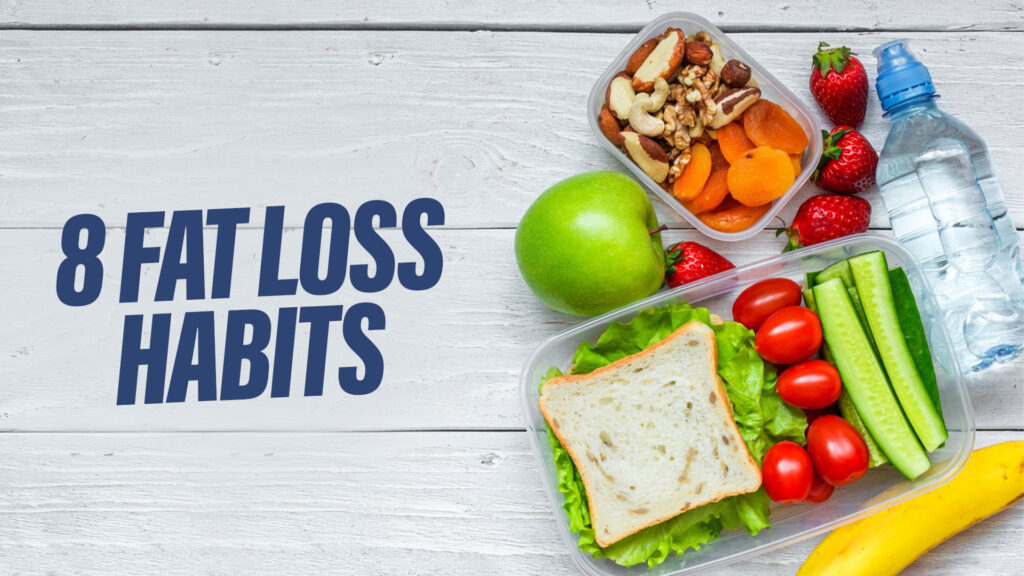
Losing fat isn’t just about dieting and training hard; it’s about carefully building a lifestyle that supports lasting results. While the end goal might seem daunting, the journey doesn’t have to be overwhelming. The key is to take small steps and turn them into sustainable habits that become second nature. When starting your fat loss journey, the internet can overwhelm you with countless tips and strategies. But don’t worry—losing fat isn’t an impossible mission if you start it right. If you want to feel healthier and more energized but don’t know where to start, here is a set of small habits that can significantly improve your health and fitness. Imagine your habits as building blocks—you wouldn’t try to construct a whole house at once, would you? The same goes for your health. Follow a step-by-step strategy and believe in the process so you can achieve your health goals by picking one habit at a time. Let’s explore a simple yet powerful principle: “The Power of Tiny Steps” Start by choosing one habit from the list below and committing to it for the next 14 days. Think of it as a mini-challenge. Once you’ve made that habit part of your lifestyle, move on to the next one and stick with it as you did the first. This approach helps you avoid feeling burdened, and each habit becomes firmly rooted in your routine. Here’s the order I follow, but feel free to pick what works best for you. 1. Sips Over Scrolls (Drink 3-4 Liters of Water a Day) Keep your water bottle close, just like you do with your phone, and take sips regularly throughout the day. Using a bottle helps you monitor your intake, keeping you hydrated and refreshed. When you can see how much water you’re drinking, it not only keeps you motivated but also supports your overall well-being. Make water your go-to drink whenever possible. Always choose it over sugary beverages like soda or juice, which are loaded with simple sugars and extra calories. Water is essential for countless bodily functions, including digestion and nutrient absorption. Staying hydrated can also curb cravings and keep you feeling fuller for longer. Try to drink at least 3 to 4 liters of water every day. 2. Sweet and Sound Sleep, Not Endless Streams Rest is your body’s reset button. Adequate sleep regulates hormones that influence hunger and metabolism. Sleep is as essential as eating, drinking, and breathing. Circadian rhythms, our natural body clocks, work with light and darkness to tell us when to sleep, wake up, and eat. We often spend our best hours of sleep in front of screens or binge-watching Netflix, which might not seem harmful right now but could damage your health in the long term. Following circadian rhythm helps us stay healthy, feel more energetic, and improve our mood. it’s important to limit screen time, especially before bed. During sleep, your body undergoes various processes and stages that help maintain healthy brain function and physical health. Not getting proper sleep can lead to problems such as poor mental health, low recovery, fatigue, and lower academic and work performance. Get 7-9 hours of quality sleep each night, including naps during the day if needed. 3. Go Lean with Protein Try to add a portion of protein to every meal. Examples of good sources of protein are chicken, beef, mutton, fish, eggs, cottage, etc. Protein is a super important macronutrient: it builds muscle, helps balance hormones, stabilizes appetite, controls sugar cravings, improves bone health, strengthens hair, nails, and skin, and improves brain health. Only adding protein to every meal will improve food cravings, blood sugar imbalances in the immune system, and symptoms of fatigue and weakness. 4. Greens Over Grains in Every Meal Make vegetables your new go-to option in your meals as they’re packed with nutrients and fiber, keeping you satisfied without adding extra calories. Swapping grains for veggies at every meal is a simple change that can transform your diet and life. A plate full of colorful, delicious vegetables is packed with essential vitamins, minerals, and fiber. This not only creates a nutrient-dense foundation for your meals but also boosts your immune system, aids digestion, and potentially reduces your risk of chronic diseases. Think about how great it feels when your blood sugar levels are steady and you’re not constantly hungry. The high fiber in vegetables can help control blood sugar levels and boost a sense of fullness, which supports your weight management goals. 5. Four Cups a Day, the Veggie Way We discussed earlier that we should use more vegetables and fewer grains. But how much more is enough for a day? To make sure you’re getting enough vegetables, make it a habit to add at least four 1-cup servings to your daily diet. This easy goal helps you meet your nutritional needs and keeps your meals balanced. Vegetables are a great source of nutrients, low in calories and fat, with complex carbohydrates that provide energy without causing blood sugar spikes. Whether it’s a cup of mixed greens with lunch, a side of steamed broccoli at dinner, or even some raw carrots for a snack, just keep track of those servings throughout the day. It’s an easy way to boost your health and add variety to your meals. 6. Listen to Your Body, Not Your Plate Listen to your body’s hunger cues. Instead of stuffing yourself, stop eating before you feel completely full. This mindful approach helps you avoid overeating and connect with your body’s natural signals of hunger and fullness. Here is a tip: if you do not know when to stop eating. Look at your plate, decide how much you might need to feel full, and then assess what 80% of that amount of food would look like. Then eat that amount. You will feel satisfied and not hungry anymore. This habit helps you enjoy your meal and feel satisfied without the discomfort of overeating. 7. Strength Training For Strong Body Strength training
Weight Loss Tips That Actually Work
Thinking about trying to lose weight? Or maybe you’ve just started on a weight loss plan and are looking for some tips to help you on your way. Either way, there are so many different ways of attempting to lose weight, but how do you know which ones work? The answer is not all of them. Many people try fad diets or extreme measures that often fail in the long run. But certain methods can help you achieve your goals and see results that last. Losing weight and keeping it off isn’t easy, but with the right approach, dedication, and these 15 tips, you can make it happen – one step at a time. Thinking about trying to lose weight? Or maybe you’ve just started on a weight loss plan and are looking for some tips to help you on your way. Either way, there are so many different ways of attempting to lose weight, but how do you know which ones work? The answer is not all of them. Many people try fad diets or extreme measures that often fail in the long run. But certain methods can help you achieve your goals and see results that last. Losing weight and keeping it off isn’t easy, but with the right approach, dedication, and these 15 tips, you can make it happen – one step at a time. Don’t crash diet As much as we’d love it to be true, crash diets don’t work. They might help you lose some weight in the short-term, but you will almost certainly put it all back on again once you start eating normally again. A diet that is too restrictive can cause your metabolism to slow down, which means you’ll burn fewer calories every day. This can lead to you gaining weight in the long run, not losing it. When trying to make healthy changes to your diet for the long-term, make changes that you can stick to. Slowly but surely decrease the amount of unhealthy foods in your diet and increase the amount of nutritious foods. If you can do this, you will see the results you’re looking for in the long run. Eat breakfast Breakfast is often referred to as the most important meal of the day, and with good reason. When you wake up in the morning, your metabolism is at its lowest point of the day – so if you don’t eat anything then, it can be really hard to lose weight. However, eating a healthy breakfast as soon as you wake up can help to kickstart your metabolism, and give you the energy you need to make it through the day. A healthy breakfast can include eggs, oats, vegetables, or even peanut butter on toast. Whatever you choose to eat, make sure it is something nutritious, wholesome, and with enough protein to help you feel full until lunch. Exercise regularly Regular exercise can be a great way to help you lose weight, but be careful not to overdo it if you are attempting to lose weight. Exercising too much can actually lead to weight gain, so it’s important to find a balance. Aim to exercise for 30 minutes at least five times per week, and make sure to mix up your routine to prevent getting bored and finding an exercise you enjoy and are able to stick with. Exercising regularly can help boost your metabolism, and it can also help to control your appetite. Additionally, some types of exercise can help to shed water weight, which can be a great way to kick-start a weight loss program. Track what you eat As strange as it might sound, keeping track of what you eat is a great way to lose weight. Weighing your food or using a food tracking app can help you to see what you’re actually eating, and how much of it. Once you start to see what you’re actually eating, it can be easier to make healthier choices. If you’ve been trying to lose weight with little success, keeping track of what you’re eating might be the extra kick you need to break the cycle and start losing weight. Tracking your diet can also be helpful if you’re on a special diet, such as a low-carb diet, as it can help you to stay on track. Be mindful of your food habits Many people believe that certain foods can help you lose weight, but it’s not necessarily true. Certain foods, such as grapefruit, might help to increase your metabolism slightly, but it won’t help you lose weight overall. Instead, try to be mindful of your food habits. Observe yourself when you are eating, and try to identify any unhelpful patterns. For example, do you always eat a big breakfast and then skip lunch? Or are you always snacking between meals? These habits can be really hard to break, but they can make a big difference to how many calories you’re consuming and how many you’re burning off each day. Get plenty of rest and sleep It might sound counterintuitive, but getting plenty of rest and sleep can actually help you to lose weight. That’s because when you’re getting enough sleep, your body can be more efficient at burning fat and creating new energy from the foods you eat. Getting fewer than six hours of sleep can actually cause your body to retain fat and make it harder to lose weight. Aim to get between seven and nine hours of sleep each night to help your body function at its best. You can also try meditating, reading, or doing yoga to help you relax and unwind before bed. Don’t be afraid of fats Eating too many low-fat foods and trying to avoid fat can actually make it harder for you to lose weight. Firstly, low-fat foods often have more sugar in them to make them taste better, so they can actually be worse for you than regular full-fat foods. Fat is actually important for the