Cold Exposure and Weight Loss: Can It Help Burn Fat?

Understanding Cold Exposure and Its Mechanism Cold exposure, also known as cold thermogenesis, involves intentionally exposing your body to cold temperatures through methods like cold showers, ice baths, or spending time in a cold environment. This forces your body to work harder to maintain its core temperature, increasing energy expenditure. When exposed to cold, the body activates brown adipose tissue (BAT), a type of fat that burns calories to generate heat. Unlike white adipose tissue, which stores energy, BAT is metabolically active and plays a crucial role in thermoregulation. This mechanism, rooted in human evolution, helps preserve core temperature and may offer additional health benefits, including weight management. Studies show that higher BAT levels are associated with lower body mass indices because BAT burns calories at a higher rate. Cold exposure also increases norepinephrine production, a hormone that stimulates the breakdown of stored fat into energy, supporting weight loss, body transformation, and metabolic health. While more research is needed on long-term effects, cold exposure could complement traditional weight loss strategies. Benefits of Cold Exposure for Fat Burning Cold exposure offers several benefits for fat burning and overall metabolic health. Here are some key advantages: Cold exposure may further improve circulation and immune function, contributing to overall health and supporting weight loss efforts. Different Methods of Cold Exposure There are various ways to incorporate cold exposure into your routine, each with its own set of benefits and considerations. Here are some popular methods: Cold Showers: Taking cold showers is one of the most accessible forms of cold exposure. Start with lukewarm water and gradually decrease the temperature. This method not only stimulates BAT but also invigorates your senses and boosts alertness. Ice Baths: Ice baths are a more intense form of cold exposure. They involve immersing your body in cold water filled with ice cubes. This method is commonly used by athletes for muscle recovery and inflammation reduction, and supporting overall body transformation by enhancing recovery and performance. Cryotherapy: Cryotherapy involves exposing your body to extremely cold air for a short duration. It is typically done in a cryo chamber and can be an effective way to stimulate metabolic processes and reduce inflammation. Cold Environment Exposure: Spending time in a cold environment, such as a chilly room or outdoor setting, can also activate BAT. Ensure you are adequately dressed to avoid discomfort while still reaping the benefits. Incorporating these methods into your lifestyle can enhance your weight loss efforts and improve overall well-being. Choose the method that best suits your preferences and tolerance levels. How Cold Exposure Affects Metabolism Cold exposure impacts metabolism by increasing energy expenditure and promoting fat oxidation. When the body is exposed to cold, it triggers a thermogenic response that raises metabolic rate, burning more calories and supporting metabolic health. The activation of brown adipose tissue (BAT) plays a key role in this process. As BAT burns calories to produce heat, it contributes to a higher basal metabolic rate, which helps with weight maintenance. Cold exposure also increases the release of hormones like norepinephrine and adiponectin. Norepinephrine aids fat breakdown, while adiponectin improves insulin sensitivity and regulates glucose levels. Together, these hormonal changes support a healthy metabolism and aid in weight management. Incorporating Cold Exposure into Your Weight Loss Routine To effectively incorporate cold exposure into your weight loss routine, consider the following strategies: By integrating these strategies into your routine, you can enhance your weight loss efforts and improve overall metabolic health. Safety Precautions When Practicing Cold Exposure While cold exposure offers numerous benefits, it’s essential to prioritize safety to avoid potential risks. Here are some precautions to consider: By following these safety precautions, you can enjoy the benefits of cold exposure without compromising your health. Conclusion Incorporating cold exposure into your lifestyle can unlock a range of benefits, from enhanced weight loss and fat burning to improved metabolic health and recovery. While it’s essential to prioritize safety and listen to your body, the potential rewards make it a worthwhile endeavor. As you embark on your cold exposure journey, remember to start gradually, remain consistent, and monitor your body’s response. Combine cold exposure with a balanced diet and regular exercise to maximize your results and enjoy a healthier, more vibrant life.
How to Track Your Progress without Obsessing Over the Scale?

When it comes to health and fitness goals, the scale is often considered the ultimate indicator of success. But relying solely on the number on the scale to measure progress can lead to unnecessary stress and an unhealthy relationship with your body. Weight fluctuates due to many factors, and it doesn’t always reflect the improvements you’re making in terms of strength, fitness, or overall well-being. Fortunately, there are several other ways to track your progress that don’t involve stepping on the scale. Here’s how to track your progress effectively without obsessing over the number on the scale: 1. Focus on How You Feel One of the most important indicators of progress is how you feel physically and emotionally. Are you feeling more energized throughout the day? Are you noticing improvements in your mood, sleep, or mental clarity? These intangible factors are a clear sign that your efforts are paying off, even if the scale doesn’t budge. Make it a habit to check in with yourself regularly. Track how your body feels after workouts and body transformation—whether you’re recovering quicker or feeling less sore. Pay attention to your energy levels and your overall outlook on life. These changes often happen long before any noticeable weight loss occurs and can provide a more sustainable sense of progress. 2. Monitor Your Strength and Fitness Gains One of the most rewarding aspects of a fitness journey is seeing your strength and endurance improve over time. Whether you’re lifting heavier weights, running longer distances, or mastering new yoga poses, these milestones are proof of your hard work. You don’t need to rely on the scale to see improvements in your fitness. Instead, track your performance with a workout journal or a fitness app. Record your workouts, noting the weights you’re lifting, the number of reps or sets you’re completing, or the time it takes you to run a certain distance. As you progress, you’ll notice that you’re pushing yourself harder and achieving more than you did when you first started. 3. Track Your Measurements While the scale only shows a single number, body measurements can provide a more complete picture of your progress. Taking measurements of your waist, hips, thighs, arms, and chest can reveal changes in your body composition, even when the scale doesn’t change much. These measurements are key indicators of your overall body transformation, helping you track improvements beyond just weight. Keep in mind that muscle weighs more than fat, so as you build muscle and lose fat, the scale may stay the same, but your body could be transforming. Use a soft measuring tape to take your measurements every 4-6 weeks and record the results. This can help you see changes in areas like your waistline or thighs, which might not show up on the scale right away. 4. Take Progress Photos Sometimes, the changes in your body are more visible than the scale lets on. Taking progress photos can be an incredibly powerful tool for tracking your transformation. By comparing photos taken at regular intervals—such as weekly or monthly—you can see subtle changes that may not be as noticeable day-to-day. When taking progress photos, try to use the same lighting, pose, and time of day to ensure consistency. These visual reminders can keep you motivated and provide an objective way to track your progress, even when the scale seems stubbornly stuck. 5. Listen to Your Clothes One of the easiest ways to gauge progress is by paying attention to how your clothes fit. If your pants are looser, your shirt fits differently, or you notice you’re pulling up your waistband more often, it’s a sign that your body is changing. Rather than focusing on whether you’ve lost pounds, track how your clothes feel over time. Keep a favorite pair of jeans or a dress that you can use as a baseline. When it becomes easier to wear them, or you can see that they’re fitting better, you’ll know you’re making progress. 6. Set Non-Scale Goals One of the best ways to stay motivated is by setting non-scale goals. These are goals that focus on performance, habits, and lifestyle rather than a specific weight. For example, you might aim to walk 10,000 steps a day, drink more water, or reduce stress through meditation. Non-scale goals help you stay focused on the bigger picture of health and well-being, rather than just the number on the scale. They can give you a sense of accomplishment and pride as you achieve them, regardless of what the scale says. These types of goals also promote a healthier, more balanced approach to fitness, which can lead to long-term success. 7. Celebrate Non-Physical Achievements Your fitness journey is about so much more than physical changes. Celebrate other achievements like improved mental clarity, better sleep, or even an increase in your self-esteem. These milestones are just as valuable as weight loss, and they contribute to your overall sense of well-being. Take a moment to recognize when you’ve hit milestones such as running your first 5k, cooking healthier meals, or prioritizing self-care. These are the moments that help keep you motivated and give you a deeper sense of fulfillment than simply seeing a lower number on the scale. Conclusion Tracking progress is essential for staying motivated, but it’s important to remember that the scale doesn’t tell the full story. By focusing on how you feel, tracking your fitness progress, taking measurements, celebrating non-physical milestones, and listening to your body, you’ll have a much more holistic and healthy approach to measuring your journey. Remember, true progress is about making consistent, sustainable changes to improve your overall health and well-being—not just about what the scale says. Embrace the journey, and celebrate the victories that go far beyond the numbers.
Why Losing Weight Isn’t Always Easy
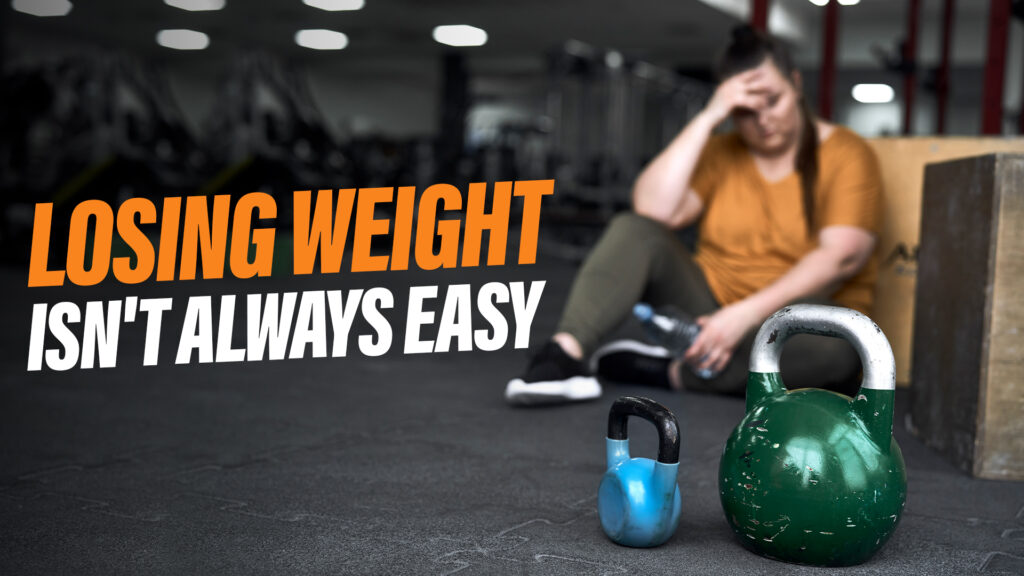
Have you ever wondered why losing weight feels like climbing Everest for some and a Sunday stroll for others? It turns out there’s more to the story than merely cutting calories and hitting the gym. Let’s unravel why dropping pounds isn’t always as simple as it seems. The Irony of Weight Loss Don’t you think? Isn’t it ironic how the food that kept us alive now makes weight loss a tricky challenge? Back in the day, when food was scarce, our bodies were designed to store fat for survival. This ability to acquire fat was a lifesaver during times of famine. But in today’s world, where food is everywhere, this same mechanism works against us. Our bodies are still wired to hold onto fat and, making it harder to shed those extra pounds. We were built for survival in the past, but now we face the effects of living in a world of abundance. Understanding our body’s survival mechanisms can help us take a more thoughtful and lasting approach to achieving our goals. Understanding the Physiology Behind Diet Failures The weight loss journey can be frustrating. We’ve all heard it before just burn more calories than you eat, and your weight will start to drop. But it’s definitely more than just eating less and moving more. A significant part of this struggle lies in our body’s physiological responses to calorie restriction. You think of your body as a super-complex machine where many factors influence weight management: Drop in Basal Metabolic Rate (BMR): When we cut calories, our basal metabolic rate decreases. This adaptation helps our bodies conserve energy, making it more challenging to continue losing weight over time. Move It or Lose It: Your daily activity level outside the regular exercise plays a big role. So, if you feel like doing nothing and sitting all day after an intense workout session of two hours, this is not all for you. In fact, studies show that reduced caloric intake often leads to decreased physical activity or N.E.A.T (non-exercise activity thermogenesis). As our bodies naturally preserve energy when we lose weight, we often find ourselves moving less. This not only reduces our energy expenditure but also encourages fat storage. Hunger Games: It’s not just about resisting that donut; your hunger signals and appetite are influenced by more than just willpower. Hormones like ghrelin and leptin play their own roles in deciding when you feel hungry or full, making it feel like you’re in a never-ending battle. Sometimes, no matter how much you eat, your body tells you it’s not enough. This is known as the “starvation response to calorie deficit and weight loss.” A classic example of this comes from the Minnesota Semi-Starvation Study, conducted in the mid-20th century. In a six-month study, lean male participants were given only half of their needed calories while walking 5-6 miles daily. By the end of the study, their body fat dropped to around 5%. After being allowed to eat normally again, they quickly regained fat and even exceeded their original body fat levels. Because of the drop in leptin and high ghrelin, the increased hunger and cravings drive us to eat more food, often resulting in regaining weight—sometimes even exceeding it. By understanding these physiological responses, we can better navigate the complexities of weight loss. Your Tribe Defines Your Life: We are living in an obesogenic environment, where highly palatable caloric-dense food is available in abundance, and technology has given us an extra excuse to limit physical activity whenever convenient. In an environment like that, trying to lose pounds feels like an uphill battle. It is important to realize that willpower and determination are also limited resources that can only last for so long. It is important to pay attention to your surroundings rather than relying only on your dedication. Genetics: Genes are key players in your weight loss journey. If obesity runs in your family or you face certain challenges growing up, here’s the truth: you might have a tougher road ahead. Research shows that if your family has a history of obesity, you’re more likely to face similar struggles. You can’t compare your weight loss journey to someone who loses weight effortlessly. So, it’s not about how much an individual puts effort into it because there’s a lot going on behind the scenes. Health Education: The obesity epidemic has come to be a societal challenge, not just a personal one. Now, it’s essential that governments step up and provide access to health education and awareness so people can make informed choices for a healthier lifestyle. Studies have shown a significant impact of education on blood pressure and obesity could be one of the major approaches to reducing the prevalence of obesity, hypertension, and other obesity-related diseases. Financial Constraints: The ever-so-high inflation and financial constraints can also affect how easy or hard it is to manage your weight. While the unhealthy food is cheap healthy options are treated as luxury and financial strain can limit access to healthy food and fitness options, making it harder to stay on track. My Advice is to “Find Strength in Your Story”: The weight loss journey is unique for everybody. Not everyone faces the same challenges and rewards on their journey to better health, and that’s perfectly okay. If you’re navigating a different path, I encourage you to use the set of cards you deal with; instead of worrying about the “cards” you cannot control, embrace acceptance and then adapt. Be part of the supportive communities around that provide honest communication, credible Advice, and shared goals. The road may be bumpy, but you will find strength in your story by recognizing and sharing your experiences. The Bottom Line Losing weight might not be easy, but understanding the bigger picture makes it a bit less challenging. It’s not just about the number on the scale; it’s about empathizing with your struggles, making healthier choices, and celebrating small wins along the way.
TOP 8 DAILY FAT LOSS HABITS
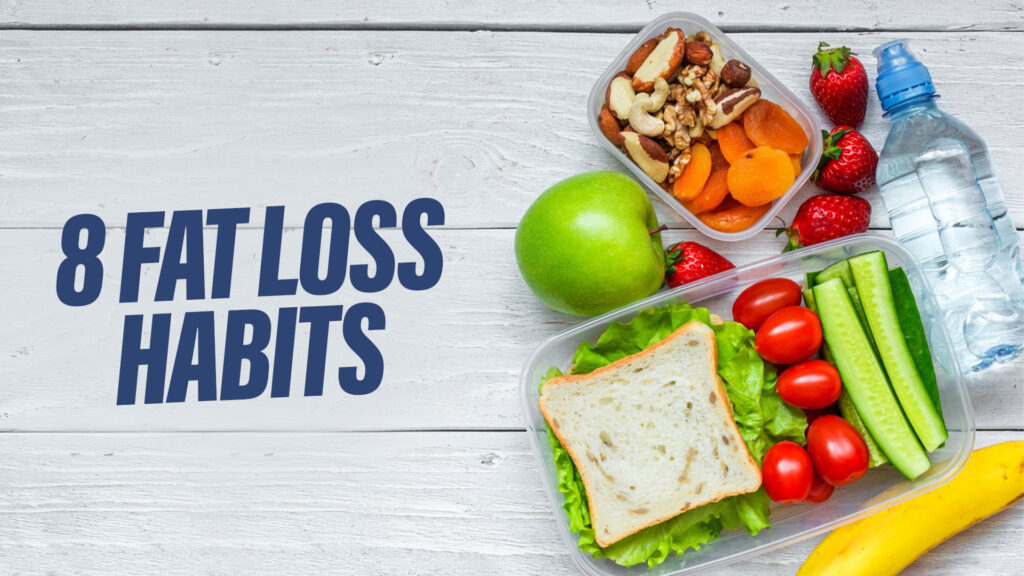
Losing fat isn’t just about dieting and training hard; it’s about carefully building a lifestyle that supports lasting results. While the end goal might seem daunting, the journey doesn’t have to be overwhelming. The key is to take small steps and turn them into sustainable habits that become second nature. When starting your fat loss journey, the internet can overwhelm you with countless tips and strategies. But don’t worry—losing fat isn’t an impossible mission if you start it right. If you want to feel healthier and more energized but don’t know where to start, here is a set of small habits that can significantly improve your health and fitness. Imagine your habits as building blocks—you wouldn’t try to construct a whole house at once, would you? The same goes for your health. Follow a step-by-step strategy and believe in the process so you can achieve your health goals by picking one habit at a time. Let’s explore a simple yet powerful principle: “The Power of Tiny Steps” Start by choosing one habit from the list below and committing to it for the next 14 days. Think of it as a mini-challenge. Once you’ve made that habit part of your lifestyle, move on to the next one and stick with it as you did the first. This approach helps you avoid feeling burdened, and each habit becomes firmly rooted in your routine. Here’s the order I follow, but feel free to pick what works best for you. 1. Sips Over Scrolls (Drink 3-4 Liters of Water a Day) Keep your water bottle close, just like you do with your phone, and take sips regularly throughout the day. Using a bottle helps you monitor your intake, keeping you hydrated and refreshed. When you can see how much water you’re drinking, it not only keeps you motivated but also supports your overall well-being. Make water your go-to drink whenever possible. Always choose it over sugary beverages like soda or juice, which are loaded with simple sugars and extra calories. Water is essential for countless bodily functions, including digestion and nutrient absorption. Staying hydrated can also curb cravings and keep you feeling fuller for longer. Try to drink at least 3 to 4 liters of water every day. 2. Sweet and Sound Sleep, Not Endless Streams Rest is your body’s reset button. Adequate sleep regulates hormones that influence hunger and metabolism. Sleep is as essential as eating, drinking, and breathing. Circadian rhythms, our natural body clocks, work with light and darkness to tell us when to sleep, wake up, and eat. We often spend our best hours of sleep in front of screens or binge-watching Netflix, which might not seem harmful right now but could damage your health in the long term. Following circadian rhythm helps us stay healthy, feel more energetic, and improve our mood. it’s important to limit screen time, especially before bed. During sleep, your body undergoes various processes and stages that help maintain healthy brain function and physical health. Not getting proper sleep can lead to problems such as poor mental health, low recovery, fatigue, and lower academic and work performance. Get 7-9 hours of quality sleep each night, including naps during the day if needed. 3. Go Lean with Protein Try to add a portion of protein to every meal. Examples of good sources of protein are chicken, beef, mutton, fish, eggs, cottage, etc. Protein is a super important macronutrient: it builds muscle, helps balance hormones, stabilizes appetite, controls sugar cravings, improves bone health, strengthens hair, nails, and skin, and improves brain health. Only adding protein to every meal will improve food cravings, blood sugar imbalances in the immune system, and symptoms of fatigue and weakness. 4. Greens Over Grains in Every Meal Make vegetables your new go-to option in your meals as they’re packed with nutrients and fiber, keeping you satisfied without adding extra calories. Swapping grains for veggies at every meal is a simple change that can transform your diet and life. A plate full of colorful, delicious vegetables is packed with essential vitamins, minerals, and fiber. This not only creates a nutrient-dense foundation for your meals but also boosts your immune system, aids digestion, and potentially reduces your risk of chronic diseases. Think about how great it feels when your blood sugar levels are steady and you’re not constantly hungry. The high fiber in vegetables can help control blood sugar levels and boost a sense of fullness, which supports your weight management goals. 5. Four Cups a Day, the Veggie Way We discussed earlier that we should use more vegetables and fewer grains. But how much more is enough for a day? To make sure you’re getting enough vegetables, make it a habit to add at least four 1-cup servings to your daily diet. This easy goal helps you meet your nutritional needs and keeps your meals balanced. Vegetables are a great source of nutrients, low in calories and fat, with complex carbohydrates that provide energy without causing blood sugar spikes. Whether it’s a cup of mixed greens with lunch, a side of steamed broccoli at dinner, or even some raw carrots for a snack, just keep track of those servings throughout the day. It’s an easy way to boost your health and add variety to your meals. 6. Listen to Your Body, Not Your Plate Listen to your body’s hunger cues. Instead of stuffing yourself, stop eating before you feel completely full. This mindful approach helps you avoid overeating and connect with your body’s natural signals of hunger and fullness. Here is a tip: if you do not know when to stop eating. Look at your plate, decide how much you might need to feel full, and then assess what 80% of that amount of food would look like. Then eat that amount. You will feel satisfied and not hungry anymore. This habit helps you enjoy your meal and feel satisfied without the discomfort of overeating. 7. Strength Training For Strong Body Strength training
Weight Loss Tips That Actually Work
Thinking about trying to lose weight? Or maybe you’ve just started on a weight loss plan and are looking for some tips to help you on your way. Either way, there are so many different ways of attempting to lose weight, but how do you know which ones work? The answer is not all of them. Many people try fad diets or extreme measures that often fail in the long run. But certain methods can help you achieve your goals and see results that last. Losing weight and keeping it off isn’t easy, but with the right approach, dedication, and these 15 tips, you can make it happen – one step at a time. Thinking about trying to lose weight? Or maybe you’ve just started on a weight loss plan and are looking for some tips to help you on your way. Either way, there are so many different ways of attempting to lose weight, but how do you know which ones work? The answer is not all of them. Many people try fad diets or extreme measures that often fail in the long run. But certain methods can help you achieve your goals and see results that last. Losing weight and keeping it off isn’t easy, but with the right approach, dedication, and these 15 tips, you can make it happen – one step at a time. Don’t crash diet As much as we’d love it to be true, crash diets don’t work. They might help you lose some weight in the short-term, but you will almost certainly put it all back on again once you start eating normally again. A diet that is too restrictive can cause your metabolism to slow down, which means you’ll burn fewer calories every day. This can lead to you gaining weight in the long run, not losing it. When trying to make healthy changes to your diet for the long-term, make changes that you can stick to. Slowly but surely decrease the amount of unhealthy foods in your diet and increase the amount of nutritious foods. If you can do this, you will see the results you’re looking for in the long run. Eat breakfast Breakfast is often referred to as the most important meal of the day, and with good reason. When you wake up in the morning, your metabolism is at its lowest point of the day – so if you don’t eat anything then, it can be really hard to lose weight. However, eating a healthy breakfast as soon as you wake up can help to kickstart your metabolism, and give you the energy you need to make it through the day. A healthy breakfast can include eggs, oats, vegetables, or even peanut butter on toast. Whatever you choose to eat, make sure it is something nutritious, wholesome, and with enough protein to help you feel full until lunch. Exercise regularly Regular exercise can be a great way to help you lose weight, but be careful not to overdo it if you are attempting to lose weight. Exercising too much can actually lead to weight gain, so it’s important to find a balance. Aim to exercise for 30 minutes at least five times per week, and make sure to mix up your routine to prevent getting bored and finding an exercise you enjoy and are able to stick with. Exercising regularly can help boost your metabolism, and it can also help to control your appetite. Additionally, some types of exercise can help to shed water weight, which can be a great way to kick-start a weight loss program. Track what you eat As strange as it might sound, keeping track of what you eat is a great way to lose weight. Weighing your food or using a food tracking app can help you to see what you’re actually eating, and how much of it. Once you start to see what you’re actually eating, it can be easier to make healthier choices. If you’ve been trying to lose weight with little success, keeping track of what you’re eating might be the extra kick you need to break the cycle and start losing weight. Tracking your diet can also be helpful if you’re on a special diet, such as a low-carb diet, as it can help you to stay on track. Be mindful of your food habits Many people believe that certain foods can help you lose weight, but it’s not necessarily true. Certain foods, such as grapefruit, might help to increase your metabolism slightly, but it won’t help you lose weight overall. Instead, try to be mindful of your food habits. Observe yourself when you are eating, and try to identify any unhelpful patterns. For example, do you always eat a big breakfast and then skip lunch? Or are you always snacking between meals? These habits can be really hard to break, but they can make a big difference to how many calories you’re consuming and how many you’re burning off each day. Get plenty of rest and sleep It might sound counterintuitive, but getting plenty of rest and sleep can actually help you to lose weight. That’s because when you’re getting enough sleep, your body can be more efficient at burning fat and creating new energy from the foods you eat. Getting fewer than six hours of sleep can actually cause your body to retain fat and make it harder to lose weight. Aim to get between seven and nine hours of sleep each night to help your body function at its best. You can also try meditating, reading, or doing yoga to help you relax and unwind before bed. Don’t be afraid of fats Eating too many low-fat foods and trying to avoid fat can actually make it harder for you to lose weight. Firstly, low-fat foods often have more sugar in them to make them taste better, so they can actually be worse for you than regular full-fat foods. Fat is actually important for the
How Being Overweight Can Cause Health Problems
Having too much body fat can cause many health problems. It increases the risk of developing type 2 diabetes, high blood pressure, and several types of cancer. Excess weight also puts strain on the heart and raises blood pressure, increasing the risk of heart attack and stroke. Only a small percentage of people who are overweight develop related diseases. The vast majority experience no serious consequences from being slightly overweight. However, it’s important to understand exactly how excess body fat can affect your health and what you can do about it. In this article, we’ll cover everything you need to know about how being overweight affects your health. What’s the difference between being overweight and being obese? There are several ways to measure whether a person is overweight or obese. The most straightforward is body mass index (BMI). This is a way of calculating what percentage of your body is made up of fat. It takes into account your weight and your height and is expressed as a number. Being overweight is defined as having a high percentage of body fat, but not enough to be defined as obesity. There are some specific criteria for what this means, but in general, someone who falls into this category is likely to experience some negative health effects. Excessive body fat can increase the risk of developing heart disease and type 2 diabetes, among other things. Obesity is defined by having too much body fat and having a very high percentage of body fat. People who are obese are at an even higher risk of developing many of the negative health effects mentioned above, including heart disease and type 2 diabetes. How being overweight can affect your health? Being overweight or obese can increase the risk of developing a number of health problems. This is especially true when combined with a poor diet and a lack of exercise. The risk of type 2 diabetes – In the U.S., 79 million people have diabetes. That’s almost one in 10 people. The vast majority of these cases are type 2 diabetes. This form of the disease is closely linked to being overweight and obese. The risk of developing diabetes is especially high for people who are morbidly obese. The risk of high blood pressure – This is a major risk factor for heart disease and stroke. Although being overweight by itself does not always lead to high blood pressure, it can make other risk factors for this condition worse. For example, if you have a medical condition that causes you to retain fluid, like diabetes or kidney disease, being overweight can increase fluid retention even further. This can raise blood pressure, putting you at greater risk of heart disease and stroke. The risk of cardiovascular disease – This includes heart attack, stroke, and peripheral vascular disease. The risk of all three of these conditions is higher in people who are overweight or obese. The risk of cardiovascular disease is even higher in people who are overweight or obese and also have high blood pressure. Other health effects of being overweight or obese – Beyond the above conditions, being overweight or obese can also affect how well your body heals from various injuries or illnesses. It can also affect fertility, cause certain types of cancers, and lead to sleep apnea. Risk of Type 2 Diabetes Being overweight or obese can increase the risk of type 2 diabetes. This is a chronic disease that occurs when the body either doesn’t produce enough insulin or can’t use it effectively. If left untreated, type 2 diabetes can lead to serious health problems, including heart disease, blindness, and loss of limb. Although it’s possible to treat type 2 diabetes, the disease is extremely difficult to reverse. In fact, many people who have diabetes will need to take medication for the rest of their lives. The risk of type 2 diabetes is particularly high in people who are morbidly obese. In this case, even moderate weight loss can significantly reduce the risk of developing the disease. There are many things you can do to reduce the risk of type 2 diabetes, such as eating a healthy diet and getting enough exercise. Risk of High Blood Pressure Being overweight or obese can also increase the risk of high blood pressure. This is a chronic condition that increases the force of blood against the walls of the arteries. This, in turn, increases the risk of heart disease and stroke. According to the Centers for Disease Control and Prevention (CDC), approximately one-third of adults in the U.S. have high blood pressure. The majority of these cases are “essential hypertension,” which is most often caused by obesity. In fact, obesity is the single biggest risk factor for developing high blood pressure. The good news is that the risk of high blood pressure can be reduced by losing weight. Moderate weight loss can even reverse the condition in some cases. According to the American Heart Association, losing as little as 5-10% of your body weight can significantly reduce your risk of high blood pressure. Risk of Cardiovascular Disease Being overweight or obese is also a major risk factor for cardiovascular disease. This is a general term that encompasses coronary artery disease, peripheral vascular disease, and stroke. Being overweight or obese can increase your risk of all three of these conditions. Coronary artery disease is a blood flow disruption that leads to heart attack. Peripheral vascular disease is a blood flow disruption in the legs, which leads to loss of limb. Stroke occurs when blood flow to the brain is disrupted, which can lead to long-term brain damage. All of these conditions are much more likely to develop in people who are overweight or obese. In fact, the risk is even higher in people who have a high body fat percentage. Other Health Effects of Being Overweight or Obese There are a number of other health effects that are associated with being overweight or obese,