
Why Nutrition Needs Vary From Person to Person

As you embark on your journey to optimal health, understanding your unique nutritional needs becomes essential. Nutrition is not a one-size-fits-all approach; it is as varied as the individuals it supports. Recognizing that your dietary requirements are distinct from others is the first step toward achieving a balanced and healthy lifestyle. When it comes to nutrition, various elements influence what your body requires and your body transformation process. These factors include your genetic makeup, age, gender, lifestyle, and metabolism. By acknowledging these influences, you can tailor your diet to meet your specific needs, enhancing your overall well Factors Influencing Nutritional Requirements Nutritional requirements are shaped by a multitude of factors, each contributing to the unique dietary needs of individuals. Understanding these influences can help you make informed decisions about your diet and nutrition. Key Influencing Factors: By recognizing these factors, you can begin to understand why a diet that works for one person may not be suitable for another in their body transformation journey. Embracing this individuality is key to developing a nutrition plan that supports your health and lifestyle goals. The Role of Genetics in Nutrition Genetics significantly influences your nutritional needs by determining how your body processes and responds to various nutrients. Genetic variations can impact everything from metabolic rate to nutrient absorption, making it essential to consider genetics when planning your diet. Genetic Influences on Nutrition: By considering your genetic background, you can make informed choices that optimize your diet and enhance your overall well-being. Genetic testing and consultations with healthcare professionals can provide valuable insights into your unique nutritional needs. Age and Nutritional Needs Age is a crucial factor in determining nutritional requirements, as your body’s needs evolve throughout different life stages. Understanding how age affects nutrition can help you make appropriate dietary choices for each phase of life. Nutritional Needs Across Life Stages: Recognizing these age-related changes in nutritional needs allows you to adapt your diet to support health and vitality at every stage of life. Consulting with nutrition professionals can provide personalized recommendations tailored to your age group. Gender Differences in Dietary Requirements Men and women have distinct nutritional needs due to physiological and hormonal differences. Understanding these gender-specific requirements can help you tailor your diet for optimal health and well-being. Key Nutritional Differences: By acknowledging these differences, you can customize your dietary choices to meet your body’s specific demands. Collaborating with nutrition experts can provide guidance on how to address gender-specific nutritional needs effectively. Lifestyle Choices and Their Impact on Nutrition The lifestyle choices you make can significantly influence your nutritional needs and overall health. Factors such as physical activity, stress levels, and dietary preferences all play a role in shaping your diet. Lifestyle Factors Impacting Nutrition: By evaluating your lifestyle choices, you can identify areas for improvement and make adjustments that support your nutritional needs. Embracing a balanced lifestyle fosters long-term health and well-being. Understanding Metabolism and Its Variability Metabolism is a key factor in determining your nutritional needs, as it influences how efficiently your body converts food into energy. Understanding the variability in metabolism can help you tailor your diet to meet your energy requirements. Factors Affecting Metabolism: By understanding your metabolism, you can make informed dietary and lifestyle choices that support your energy needs and overall health. Consulting with a nutrition professional can provide personalized insights into optimizing your metabolism. Common Nutritional Myths and Misconceptions Navigating the world of nutrition can be challenging, especially with the abundance of myths and misconceptions that can mislead you. Dispelling these myths is crucial for making informed dietary choices. Common Myths Debunked: By separating fact from fiction, you can make educated decisions about your diet and avoid falling victim to misleading information. Seeking guidance from reputable sources and nutrition professionals can further clarify any uncertainties. How to Assess Your Personal Nutritional Needs Determining your personal nutritional needs involves evaluating various factors, including your lifestyle, health goals, and individual preferences. A tailored approach ensures your diet supports your unique requirements. Steps to Assessing Nutritional Needs: By taking a comprehensive approach to assessing your nutritional needs, you can develop a diet plan that aligns with your health goals and lifestyle. Professional guidance can provide additional support and ensure accuracy. Tailoring Your Diet: Tips for Personalization Personalizing your diet involves more than just adjusting calorie intake; it requires a holistic approach that considers your unique needs and preferences. Here are some tips to help you tailor your diet effectively. Tips for Personalizing Your Diet: By adopting these strategies, you can create a diet that not only meets your nutritional needs but also enhances your quality of life. Professional support can further assist in refining your personalized approach. The Importance of Consulting with Nutrition Professionals While self-assessment and research are valuable, consulting with nutrition professionals can provide expert guidance and personalized recommendations. These experts can help you navigate the complexities of nutrition and ensure your diet aligns with your health goals. Benefits of Professional Guidance: By enlisting the help of a nutrition expert, you can gain confidence in your dietary choices and ensure your nutritional needs are met effectively. This professional partnership is a valuable resource for long-term health and well-being. Conclusion: Embracing Nutritional Individuality In conclusion, understanding and embracing your individual nutritional needs is a crucial aspect of achieving optimal health and well-being. By recognizing the factors that influence your diet, such as genetics, age, gender, and lifestyle, you can tailor your dietary choices to support your unique requirements. Personalizing your nutrition involves a comprehensive approach that considers your specific goals, preferences, and health conditions. Consulting with nutrition professionals can provide expert guidance and ensure your diet aligns with your needs and objectives.
Foods That Increase Metabolism and Support Weight Loss
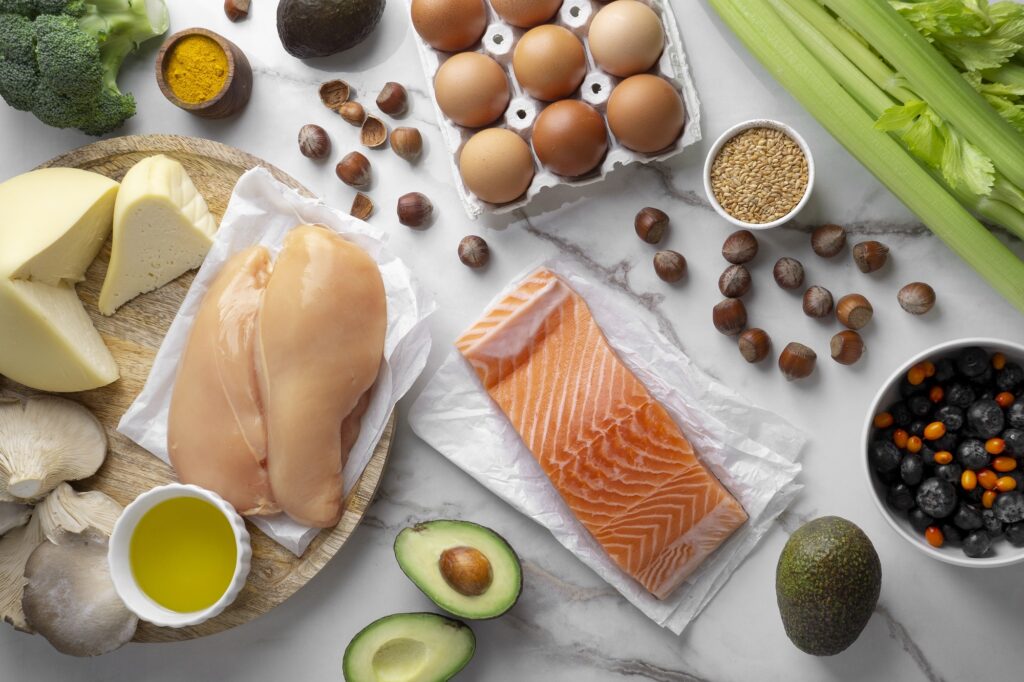
Metabolism is a complex biochemical process by which your body converts what you eat and drink into energy. Even at rest, your body needs energy for essential functions such as breathing, circulating blood, and repairing cells. This energy expenditure, known as your basal metabolic rate (BMR), varies from person to person based on several factors, including age, gender, and body composition. Understanding these nuances can help you tailor your weight loss strategy effectively. A faster metabolism means your body burns calories more efficiently, which can support weight loss efforts. Various factors can influence your metabolic rate, including genetic predisposition, hormonal balance, and lifestyle choices. While you can’t change your genetics, you can make lifestyle adjustments that enhance metabolic efficiency. These adjustments include regular physical activity, proper hydration, and, notably, dietary choices that fuel your metabolism—key elements for achieving a sustainable body transformation. Understanding how metabolism works can empower you to make informed dietary choices. Many people mistakenly believe that metabolism is solely about burning calories. However, it involves a range of physiological processes that sustain life and health. By focusing on boosting your metabolism through targeted nutrition, you can optimize your body’s energy use, potentially leading to more effective weight management. Top Foods to Boost Your Metabolism Certain foods have been shown to enhance metabolic rate, aiding in weight loss. These foods often require more energy to digest, absorb, and process, a phenomenon known as the thermic effect of food (TEF). By incorporating these foods into your diet, you can give your metabolism a natural boost and support a sustainable body transformation. Incorporating these foods into your meals can be simple and delicious. Consider starting your day with a protein-rich breakfast, like scrambled eggs with spinach and whole-grain toast. For lunch, a salad with grilled chicken and a sprinkle of chili flakes can keep your metabolism active. Experiment with these options to find combinations that work best for your taste and lifestyle. The Science Behind Metabolism-Boosting Foods The science behind metabolism-boosting foods lies in their nutrient composition and how they affect your body’s energy expenditure. Protein, for instance, not only requires more energy to digest but also helps preserve muscle mass, which is crucial for maintaining a healthy metabolic rate. Muscle tissue burns more calories than fat, even at rest, making protein an essential component of a metabolism-friendly diet and an important factor in achieving a sustainable body transformation. Fiber-rich foods, such as whole grains, fruits, and vegetables, also play a significant role in metabolism. Fiber is not easily digestible, meaning your body expends more energy to process it. Additionally, fiber helps regulate blood sugar levels, curbing hunger and preventing overeating. This helps maintain a steady energy supply without the spikes and crashes associated with high-sugar foods. Thermogenic spices and herbs can temporarily increase your body’s heat production, requiring more energy and consequently burning more calories. Capsaicin, found in chili peppers, is a prime example of a compound that can enhance thermogenesis. Studies suggest that consuming such spices can lead to a slight increase in calorie expenditure, supporting weight management efforts. How Protein-Rich Foods Aid Metabolism Protein is a powerhouse nutrient when it comes to boosting metabolism. Its digestion requires more energy compared to fats and carbohydrates, a process known as diet-induced thermogenesis. This means that by eating protein, you effectively increase your calorie-burning potential. Additionally, protein helps build and repair muscle tissue, which is metabolically active and burns more calories at rest than fat tissue. Incorporating more protein into your diet can be straightforward. Aim to include a protein source in every meal, whether it’s animal-based like chicken, fish, or eggs, or plant-based such as beans, lentils, or tofu. This not only aids in metabolism but also helps in feeling full longer, reducing the likelihood of snacking on high-calorie foods. It’s important to balance your protein intake with other nutrients to ensure a well-rounded diet. While protein is essential, excessive intake can strain the kidneys and may not provide additional metabolic benefits. Strive for a balanced diet that includes healthy fats and carbohydrates alongside protein to support overall health and metabolic function. The Role of Fiber in Metabolic Health Fiber plays a crucial role in metabolic health by aiding digestion and promoting a feeling of fullness. Foods high in fiber, such as fruits, vegetables, and whole grains, require more energy to digest, thus increasing the thermic effect of food. This process can help boost your metabolism by burning more calories during digestion. Dietary fiber also helps regulate blood sugar levels, which can prevent insulin spikes and crashes that often lead to overeating. By maintaining stable blood sugar levels, fiber contributes to sustained energy levels and a reduction in cravings, supporting your weight loss goals. To increase your fiber intake, consider incorporating a variety of fiber-rich foods into your diet. Start your meals with a salad or vegetable soup, choose whole-grain options over refined grains, and snack on fruits and nuts. Not only does this support metabolic health, but it also provides essential vitamins and minerals that contribute to overall wellness. Spices and Herbs That Ignite Your Metabolism Certain spices and herbs have been shown to have thermogenic properties, helping to increase your metabolic rate. These ingredients can enhance the flavor of your dishes while also providing a metabolic boost. Incorporating them into your meals can be a simple yet effective way to support weight loss efforts. Adding spices and herbs to your meals not only enhances flavor but also provides a variety of health benefits. Experiment with different combinations to find what suits your palate best. For example, you might add a pinch of turmeric to your morning smoothie or sprinkle chili flakes on your roasted vegetables for an extra kick. Healthy Fats: Why They Matter for Weight Loss Healthy fats are an essential component of a balanced diet and can support weight loss by promoting satiety and improving metabolic health. Unlike unhealthy trans fats, healthy fats such as those found in avocados, nuts, seeds, and olive oil
Diabetes-Friendly Snacks You’ll Actually Enjoy
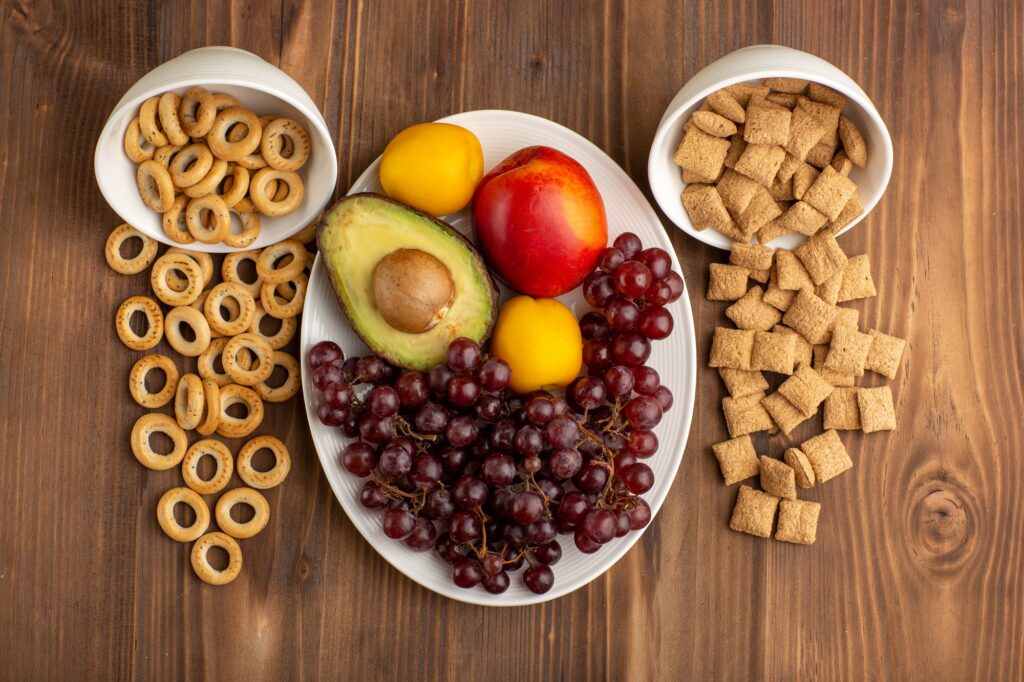
Understanding Diabetes-Friendly Snacks When living with diabetes, selecting the right snacks becomes crucial for maintaining balanced blood sugar levels. Diabetes-friendly snacks are designed to provide you with energy, nutrients, and satisfaction without causing sharp spikes in your blood sugar. These snacks typically have a low glycemic index and are rich in fiber, healthy fats, and protein. Choosing whole foods, such as fruits, nuts, and whole grains, can help you create satisfying snacks that align with your health and body transformation goals. Incorporating diabetes-friendly snacks into your diet doesn’t mean you have to compromise on taste. The key is to focus on moderation and portion control, ensuring that your snacks complement your overall dietary needs. Nutritional Guidelines for Diabetes-Friendly Snacks When choosing diabetes-friendly snacks, it’s important to adhere to certain nutritional guidelines that promote stable blood sugar levels. A crucial aspect is focusing on fiber-rich foods. Incorporating foods like vegetables, whole grains, and legumes into your snack routine can be very beneficial. Another guideline is to include healthy fats and proteins in your snacks. These macronutrients help slow down the digestion process, preventing rapid glucose spikes. Consider options like nuts, seeds, lean meats, and dairy products, key components that can support your body transformation by promoting sustained energy and muscle maintenance. Portion control is also a vital consideration. Even healthy snacks can lead to excessive calorie intake if consumed in large quantities. Being mindful of serving sizes and sticking to recommended portions can help you maintain a balanced diet. Types of Snacks to Consider There are numerous types of snacks that can fit into a diabetes-friendly diet. Some of the most popular options include: Store-Bought Options for Diabetes-Friendly Snacks When selecting packaged snacks, focus on those that are low in sugar and free from refined carbohydrates. How to Read Labels for Healthy Snack Choices Understanding food labels is crucial when selecting diabetes-friendly snacks. Here are key elements to look for on nutrition labels: Tips for Snacking on the Go Maintaining a healthy snacking routine can be challenging when you’re constantly on the move. Here are some tips to help you stay on track: Conclusion Managing diabetes doesn’t mean you have to give up on enjoying delicious snacks. By making informed choices, focusing on portion control, and selecting nutrient-rich options, you can indulge in satisfying snacks without compromising your health. It’s important to incorporate a balance of macronutrients, read labels carefully, and make mindful choices to support your blood sugar levels and overall well-being.