Training Over 40: What You Need to Know About Aging & Fitness
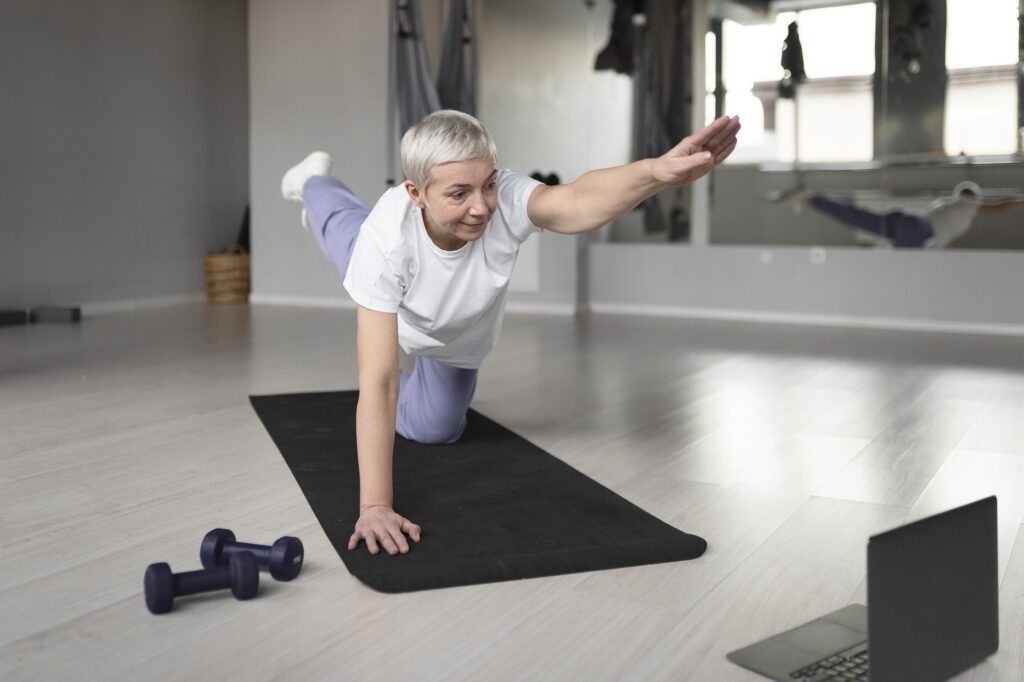
Reaching your 40s can feel like a crossroads when it comes to fitness. Your body doesn’t bounce back like it used to, recovery takes longer, and new aches seem to appear out of nowhere. But here’s the good news: getting older doesn’t mean giving up on performance or physique—it just means training smarter, not harder. Whether you’re starting fresh or adjusting your long-standing routine, understanding how aging affects your body is the key to unlocking results without injury or burnout. Here’s what you need to know. 1. Your Body Changes—But that’s Not a Bad Thing After 40, most people experience a natural decline in muscle mass, flexibility, hormone levels, and bone density. This is known as sarcopenia, and it can begin as early as your 30s, with muscle mass decreasing by about 1% per year if left unchecked. But this doesn’t mean you’re doomed to get weaker or softer. Resistance training, mobility work, body transformation and proper nutrition can slow or even reverse many of these effects. The key? Consistency and intentionality. 2. Prioritize Strength Training Strength training is non-negotiable after 40. It helps preserve muscle mass, increases metabolism, improves joint health, and supports better posture and balance. Focus on compound movements (like squats, deadlifts, presses, and rows) and incorporate both bodyweight and resistance exercises. You don’t need to lift heavy to make progress; moderate weight with proper form and volume is often more effective—and safer—for long-term gains. Start with 2–4 strength sessions per week for body transformation, depending on your fitness level and schedule. And don’t be afraid to get a coach or trainer to help fine-tune your form. 3. Recovery Is a Superpower You can’t out-train poor recovery, especially after 40. As you age, your body’s ability to repair itself slows down. That means sleep, mobility work, hydration, and stress management become just as important as your workouts. 4. Nutrition Needs Shift Your metabolism gradually slows as you age, which can lead to weight gain if calorie intake isn’t adjusted. But it’s not just about eating less—it’s about eating better. 5. Mindset Matters More Than Ever Staying fit over 40 is as much a mental game as a physical one. It’s easy to get frustrated when progress seems slower, or you can’t push as hard as you once did. But this is a perfect time to shift your focus toward longevity rather than intensity. Training now isn’t just about looking good—it’s about staying functional, pain-free, and active for decades to come. Celebrate the wins, stay patient with setbacks, and stay curious about your body’s capabilities. 6. Listen to Your Body (But Don’t Baby It) There’s a fine line between pushing through discomfort and knowing when to rest. After 40, you need to tune into your body’s signals more closely. Soreness is normal; sharp pain is not. Fatigue is normal; chronic fatigue syndrome is not. But don’t use age as an excuse to go soft. Your body is capable of far more than you think—it just needs the right stimulus and proper care. Final Thoughts Fitness after 40 isn’t about limitations—it’s about opportunity. It’s your chance to build a strong, resilient, and balanced body that supports you through every chapter of life. With a smart approach to training, recovery, and nutrition, you can continue to gain strength, energy, and vitality well into your 50s, 60s, and beyond. Don’t think of aging as a decline—think of it as an evolution. You’ve got wisdom, experience, and grit on your side. Now it’s just about putting it all to work.
Why Core Strength Matters More Than Six-Pack Abs

When we think about fitness, the first image that often comes to mind is a sculpted body with well-defined six-pack abs. Many people associate a visible six-pack with a strong core, but this common misconception overlooks the true importance of core strength. While achieving six-pack abs is a common fitness goal, it’s essential to understand that a strong core encompasses far more than just visible abdominal muscles. Core strength is the foundation of overall health and athletic performance, and it plays a vital role in your posture, injury prevention, and daily movements. In this article, we’ll explore why core strength matters more than just six-pack abs. What Is Core Strength? The term “core” refers to the muscles that surround your torso, including the abdominals, lower back, obliques (the muscles on the sides of your abdomen), and even your glutes. These muscles work together to stabilize your spine, pelvis, and ribcage, allowing you to move efficiently and safely. A strong core means these muscles can function as a unit, providing support for nearly every physical activity and body transformation you do—whether it’s lifting heavy objects, running, or even sitting at your desk. The Difference between Core Strength and Six-Pack Abs While a six-pack is a sign of well-defined abdominal muscles, it doesn’t necessarily indicate strong core strength. In fact, it’s possible to have visible abs but still suffer from poor core stability. Core strength is more about endurance and functionality than aesthetics. It involves the ability to maintain proper posture, perform daily tasks without pain or strain, and engage in athletic movements with stability and control. Having six-pack abs generally requires low body fat, which is achieved through a combination of diet and body transformation exercise. However, achieving a six-pack does not guarantee that you have the strength or functionality in your core that’s necessary for overall well-being. On the other hand, a strong core can be built through a range of exercises designed to improve stability, balance, and coordination—not just through crunches and sit-ups. The Importance of Core Strength Injury Prevention: One of the primary benefits of core strength is injury prevention. A weak core can lead to poor posture and improper movement patterns, which in turn put strain on the spine and surrounding muscles. This can lead to back pain, muscle strains, and even joint injuries. A strong core helps distribute the load of everyday activities, reducing the risk of injury when lifting objects, running, or performing physical tasks. When your core is engaged, it stabilizes the spine, keeping it in a neutral position and preventing unnecessary stress on your body. Improved Posture: A strong core is the foundation of good posture. Without core stability, it’s easy to fall into slouching habits or develop imbalances that affect your alignment. Poor posture not only affects your appearance but can also cause discomfort and strain on your muscles, ligaments, and joints. When your core is strong, your spine remains supported, reducing the likelihood of developing poor posture, back pain, or musculoskeletal imbalances. This is particularly important for people who spend long hours sitting at desks or working at computers. Better Athletic Performance: Whether you’re an athlete or someone who enjoys recreational sports, and body transformation, having a strong core is essential for peak performance. Core muscles are responsible for transmitting force between your upper and lower body during movements such as running, jumping, throwing, and cycling. A stable core allows you to move more efficiently, with better coordination and less wasted energy. It also reduces the risk of muscle fatigue and enhances agility, speed, and power, all of which are important for improving your overall athletic ability. Functional Fitness: Core strength isn’t just about performing well in the gym or on the field—it’s about performing well in life. Everyday movements like bending over to tie your shoes, picking up groceries, or carrying a child all require core stability. If your core is weak, you may struggle with these simple tasks, leading to strain or discomfort. By strengthening your core, you improve your functional fitness, making daily activities easier and less taxing on your body. Core exercises such as planks, bird dogs, and Russian twists enhance stability and mobility, making it easier to move through your day with ease. How to Build Core Strength? Building a strong core requires more than just doing ab exercises. Incorporating a variety of exercises that target all aspects of your core—including the front, sides, and lower back—is crucial for overall strength. Some of the most effective exercises for building core strength include: Additionally, strength training that engage multiple muscle groups, such as squats and deadlifts, can also enhance your core strength as they require stability and control. Conclusion While six-pack abs may look impressive, they don’t tell the whole story when it comes to core strength. True core strength is about building a stable, functional, and resilient body that can handle the physical demands of life. A strong core not only helps with injury prevention and posture but also improves athletic performance and functional fitness. So, instead of obsessing over getting the perfect six-pack, focus on building a strong and functional core that will benefit you in every aspect of your life.