Deskercise: Effective Moves to Do While Working

What is Deskercise? “Deskercise” combines the words “desk” and “exercise” to describe simple physical activities you can do right at your workspace. It’s designed to help you stay active during long hours of sitting by incorporating easy stretches and gentle movements that improve circulation, flexibility, and muscle strength. These exercises help reduce muscle stiffness and tension, improve posture, and increase energy levels, all without interrupting your work. Regularly practicing deskercise throughout your day can support your physical health, reduce discomfort from prolonged sitting, and boost your overall productivity and well-being. Over time, these small but consistent efforts can contribute to a noticeable body transformation. Benefits of Deskercise for Productivity Deskercise can greatly improve productivity by reducing the physical and mental fatigue that often comes from sitting at a desk for long periods. Regular movement increases blood flow to the brain, which helps improve concentration, alertness, and cognitive function. These benefits enable you to work more efficiently and make better decisions. In addition, deskercises release endorphins, the body’s natural mood boosters, which can enhance your emotional state. A positive mood encourages enthusiasm and creativity, contributing to a more productive and satisfying workday. While desk exercises help maintain daily energy levels, combining them with occasional relaxation sessions at the best spa can further support mental clarity and stress relief. Regular deskercise also supports physical health by reducing the risk of common workplace injuries like repetitive strain and back pain, helping you maintain consistent productivity over time. Over the long term, these routines can play a role in your overall body transformation. 10 Effective Deskercise Moves Incorporating deskercises into your routine can be simple and effective. Here are ten moves to get you started: How to Incorporate Deskercise into Your Workday Integrating deskercise into your daily routine can be seamless with a structured plan. Start by setting reminders to take breaks every hour for a quick exercise session. These sessions can be as brief as 2-3 minutes, making them easy to fit into your schedule without significantly disrupting your work. Finally, create a supportive environment by encouraging colleagues to participate in deskercises with you. This not only fosters a culture of health and wellness but also provides an opportunity for social interaction, which can further enhance workplace morale and collaboration. Deskercise for Different Work Environments Deskercise can be adapted to suit various work environments, whether you work from a traditional office, a home office, or even on the go. In a traditional office setting, you might need to consider space constraints and opt for exercises that don’t require much room, such as seated stretches or wrist exercises. For home office workers, there might be more flexibility to incorporate standing or walking exercises, especially if you have access to a treadmill desk or a standing desk. For those who travel frequently or work remotely, portable exercises like neck stretches, calf raises, and ankle rotations can be performed anywhere, ensuring that you stay active regardless of your location. Being mindful of your work environment and selecting appropriate exercises can help you maintain consistency in your deskercise routine. The Science behind Deskercise and Focus Scientific research supports the link between physical activity and improved cognitive function. Regular movement increases blood flow to the brain, enhancing neural activity and promoting the release of neurotransmitters that improve mood and focus. This physiological response can lead to better concentration, faster information processing, and increased creativity. Moreover, breaking up periods of prolonged sitting with brief bouts of exercise can prevent mental fatigue. Studies have shown that even short, low-intensity exercises, like those involved in deskercise, can significantly boost energy levels and reduce feelings of tiredness. By integrating deskercise into your routine, you can harness these scientific benefits to improve your mental acuity and sustain a high level of productivity throughout the day. Common Mistakes to Avoid with Deskercise While deskercise offers numerous benefits, it’s important to avoid common pitfalls that can hinder its effectiveness. One mistake is neglecting proper form. Even simple exercises can lead to strain or injury if performed incorrectly. Ensure you understand the correct posture and movements for each exercise to maximize benefits and minimize risks. Another frequent error is inconsistency. To truly reap the rewards of deskercise, it should be a regular part of your routine. Skipping sessions or only participating sporadically won’t provide the cumulative health and productivity benefits that consistent practice offers. Conclusion Incorporating deskercise into your daily work routine is a proactive step towards enhancing both your physical health and productivity. By dedicating just a few minutes to movement throughout your day, you can prevent the negative effects of prolonged sitting, improve your mood, and boost your cognitive function. Start today by selecting a few deskercise moves that appeal to you and setting reminders to practice them regularly. With consistency and commitment, deskercise can become a natural and beneficial part of your workday routine.
Why Motivation Fades and How Exercise Habits Keep You Going
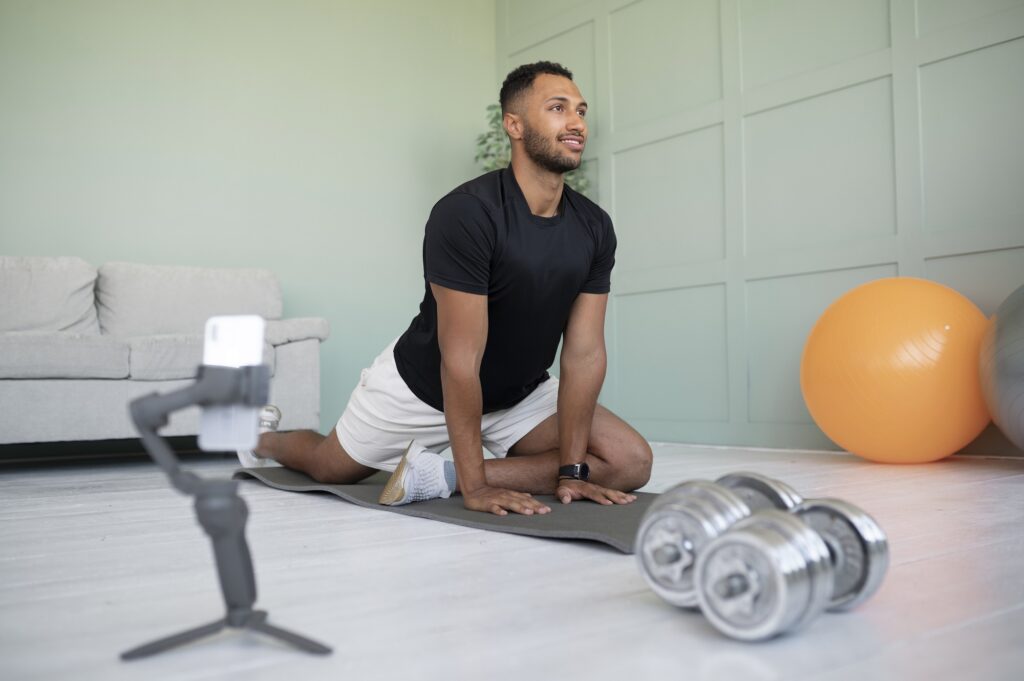
Understanding Motivation: What Drives Us to Exercise? At its core, motivation is the internal drive that compels you to act, whether it’s to improve your health, enhance your physical appearance, or boost your mental well-being. For some, motivation might stem from the desire to lead a healthier lifestyle, while for others, it could be about achieving a personal best. The motivation to exercise might originate from external or internal sources like personal satisfaction. Recognizing what motivates you can help you align your exercise and body transformation habits with your personal goals and values, making it easier to maintain them in the long term. To truly harness motivation, it’s important to engage in self-reflection and understand your intrinsic and extrinsic motivators. Intrinsic motivation refers to engaging in an activity because you find it inherently satisfying, while extrinsic motivation involves performing an activity to earn a reward. Balancing both can help you create a sustainable exercise routine that keeps you driven and engaged. The Science behind Motivation and Habits Understanding the science behind motivation and habits can provide valuable insights into why your motivation might wane and how to sustain it. The brain’s reward system is central to forming habits. When you engage in a rewarding activity, such as body transformation, your brain releases dopamine, a neurotransmitter associated with pleasure and motivation. This release reinforces the behavior, making it more likely to be repeated. Creating positive habits requires consistency and patience. By understanding the process of habit formation and leveraging the brain’s reward system, you can develop exercise habits that are both enjoyable and sustainable, ensuring that your motivation remains strong. Common Reasons Motivation Fades Despite your best intentions, motivation can fade for numerous reasons. One common cause is setting unrealistic expectations, which makes it harder to stay motivated when progress feels out of reach. When your goals, like body transformation goals aren’t aligned with your current capabilities, maintaining enthusiasm becomes difficult. Another reason motivation dwindles is the lack of variety in your exercise routine. Performing the same workout repeatedly can lead to boredom. Additionally, external stressors such as work, family obligations, or health issues can make it difficult to prioritize exercise. Finally, the absence of a support system can significantly impact your motivation. Without accountability or encouragement from others, it’s easier to skip workouts or abandon your exercise goals altogether. Identifying these barriers and addressing them proactively can help you maintain a consistent and motivated approach to exercise. The Importance of Setting Realistic Goals Setting realistic goals is crucial for maintaining motivation over the long term. Realistic goals are specific, attainable, and aligned with your capabilities and lifestyle. When setting goals, it’s essential to be honest with yourself about what you can realistically achieve within a given timeframe. One effective strategy for setting realistic goals is using the SMART criteria: Specific, Measurable, Achievable, Relevant, and Time-bound. By following these guidelines, you can create goals that motivate and inspire you. Moreover, it’s important to celebrate small victories along the way. Recognizing and rewarding incremental achievements can boost your confidence and reinforce your commitment to your exercise routine. This positive reinforcement helps sustain your motivation and encourages you to continue working towards larger goals. Developing a Consistent Exercise Routine Consistency is key to maintaining motivation and achieving long-term success in your fitness journey. A consistent exercise routine helps establish positive habits. Assess your schedule and determine how much time you can realistically dedicate to exercise each week. Start by setting a regular schedule, whether it’s morning workouts or evening sessions, choosing a time that aligns with your natural energy levels and lifestyle. Find a routine that works for you and adapt it as needed. Incorporating a mix of different workout types can keep your routine interesting and prevent burnout. Balance cardio, strength training, and flexibility exercises to engage different muscle groups and maintain overall fitness. By creating a routine that offers variety and flexibility, you can sustain your motivation and enjoy the benefits of a balanced fitness regimen. The Role of Accountability in Maintaining Drive Accountability plays a pivotal role in sustaining your motivation. When you hold yourself accountable, you are more likely to follow through on your commitments and stay on track with your exercise routine. Accountability can come from various sources, including friends, family, fitness groups, or personal trainers. One way to incorporate accountability is to partner with a workout buddy. Exercising with someone else can provide mutual encouragement. Additionally, joining a fitness class or group can offer a supportive community that motivates you to attend regularly and push yourself further. Another form of accountability is setting up regular check-ins with yourself or a coach to assess your progress. These check-ins reinforce your dedication to your fitness goals. By embracing accountability, you can enhance your motivation and sustain your commitment to exercise. Incorporating Variety to Keep Workouts Engaging To maintain motivation, it’s essential to keep your workouts engaging. Incorporating variety into your exercise routine can prevent boredom and ensure that you remain excited about working out. Variety can be achieved by exploring different types of exercises, trying new activities. Consider experimenting with different workout formats, such as HIIT (High-Intensity Interval Training), yoga, Pilates, or dance classes. Additionally, trying outdoor workouts or exploring different locations can provide a refreshing change of scenery. Furthermore, incorporating new equipment can enhance your workout experience. Whether it’s using resistance bands, kettlebells, fitness apps, or supportive accessories like Polarized Bifocal Sunglasses for outdoor sessions, these tools can add a new dimension to your routine and keep you engaged. By embracing variety, you can make exercise an exciting and dynamic part of your life. The Impact of Mindset on Exercise Motivation Your mindset plays a crucial role in determining your motivation levels. Developing a growth mindset, where you view challenges as opportunities for improvement, can significantly impact your motivation and overall success. Cultivating this mindset means embracing challenges and persisting through setbacks, seeing exercise as a journey of continuous growth rather than a fixed destination. By adopting
Strength Training vs. Cardio: Which is Better for Diabetes Reversal?
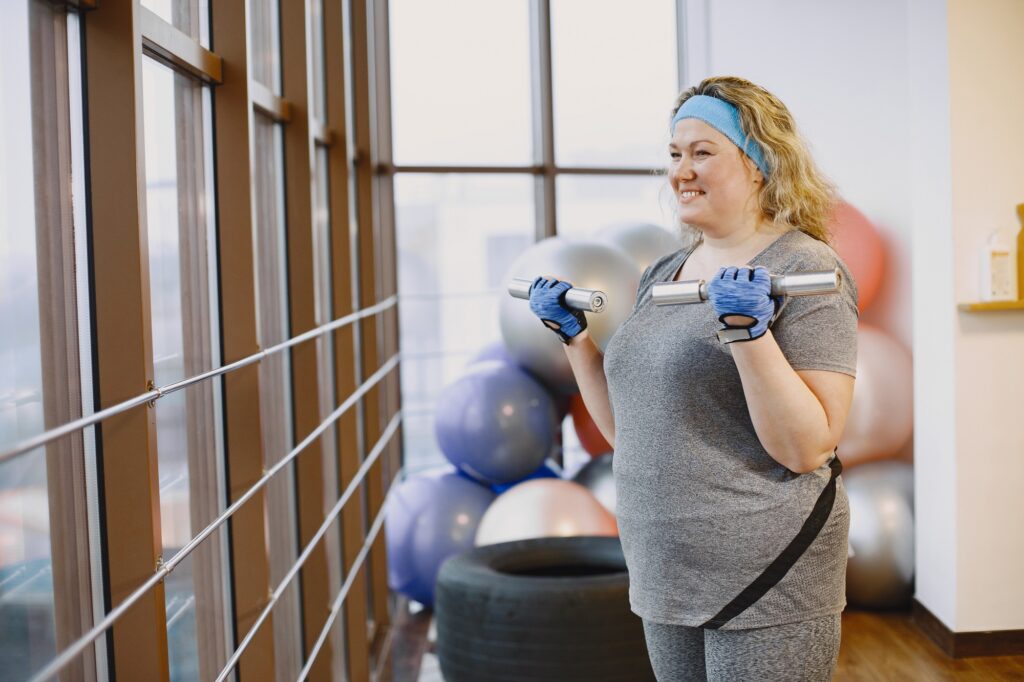
When it comes to managing or potentially reversing type 2 diabetes, exercise is a key player. But if you’re choosing between hitting the treadmill or picking up the dumbbells, which is the better bet? The debate between strength training and cardio isn’t just about preferences — it’s about results. Let’s dive into the science, benefits, and real-world impacts of both to help you decide which exercise approach might best support your diabetes journey. Understanding Diabetes Reversal Type 2 diabetes is characterized by insulin resistance, where the body’s cells no longer respond effectively to insulin. Over time, this can lead to elevated blood sugar levels and a host of complications. Reversal doesn’t mean a permanent cure, but it does mean reducing blood sugar levels to a non-diabetic range without medication. Lifestyle changes especially diet, exercise and body transformation play a crucial role in this process. Exercise enhances insulin sensitivity, improves blood sugar control, and supports weight loss, all of which are critical for diabetes management and potential reversal. Cardio: The Classic Go-To Cardiovascular exercises — think brisk walking, jogging, cycling, or swimming — are often the first recommendation for people with type 2 diabetes. Here’s why: Studies show that moderate-intensity cardio for at least 150 minutes a week can significantly improve glycemic control and reduce A1C levels — a key diabetes marker. Strength Training: The Underrated Contender Strength or resistance training involves working your muscles against a force — like weights, resistance bands, or your own body weight. While often overlooked in diabetes plans, strength training deserves attention: Research from the American Diabetes Association shows that strength training just 2-3 times per week can significantly reduce A1C and improve glucose uptake in cells. Head-to-Head: Which Is Better? The short answer? Both have their place — and combining them yields the best results. But if you’re forced to choose based on specific goals, here’s a breakdown: A 2014 study in Diabetologia found that combining aerobic and resistance training was more effective for managing blood sugar than either alone. Another study in the Journal of Applied Physiology confirmed that the duo improves both fat loss and insulin sensitivity significantly more than cardio-only routines. What the Experts Recommend? The American College of Sports Medicine and the American Diabetes Association suggest a mix: Getting Started If you’re new to exercise or dealing with complications from diabetes, talk to your doctor before beginning any routine. Start slow, be consistent, and consider working with a trainer familiar with diabetes-friendly programs. Beginner-friendly cardio options: Beginner-friendly strength exercises: Final Thoughts If you’re serious about reversing type 2 diabetes, don’t pit cardio and strength training against each other. They work better as a team. Cardio helps you quickly manage blood sugar and improve heart health, while strength training lays the groundwork for lasting metabolic change. So lace up your sneakers and grab those weights — your healthiest life may just be a well-rounded workout away.
Functional Fitness vs. Traditional Workouts: Which One is better?
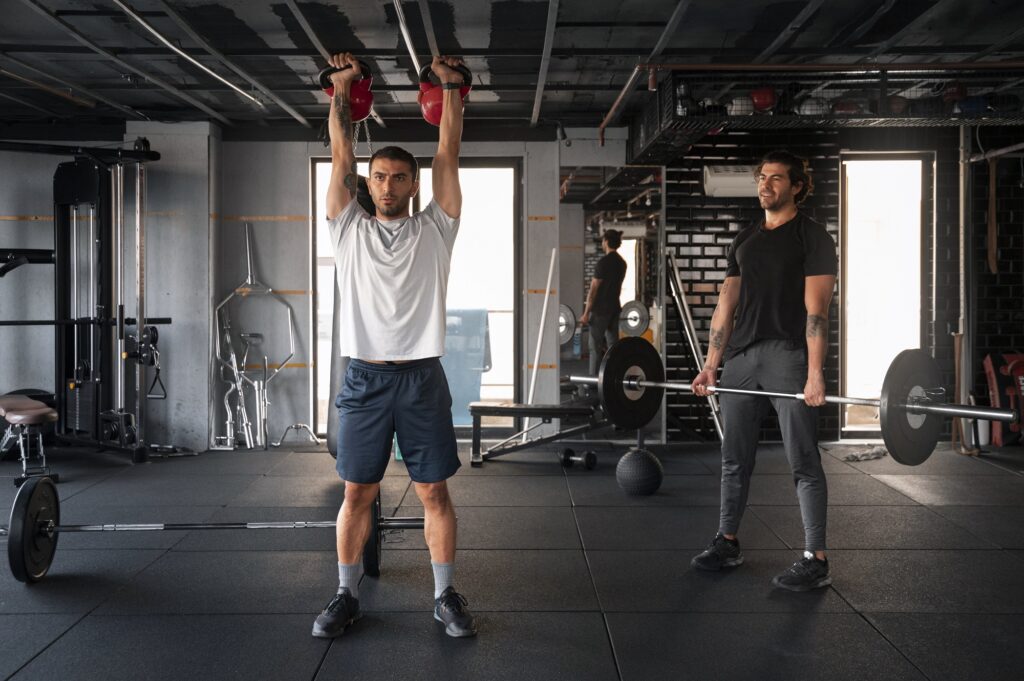
In the world of fitness, the debate between functional fitness and traditional workouts has been gaining attention in recent years. Both approaches aim to improve physical health, strength, and endurance, but they take distinct paths. If you’re considering which style of exercise to incorporate into your routine, understanding the differences, benefits, and potential drawbacks of each can help you make an informed choice. Let’s take a closer look at functional fitness and traditional workouts to see which one might be better suited for your goals. What is Functional Fitness? Functional fitness is a form of exercise designed to improve your ability to perform everyday activities. The exercises typically mimic movements you do in daily life—lifting groceries, carrying children, climbing stairs, or picking up a heavy object. Functional fitness training focuses on the use of multiple muscle groups simultaneously and emphasizes movement patterns like squatting, bending, pushing, pulling, and rotating essential for body transformation. Common examples of functional exercises include kettlebell swings, squats, lunges, deadlifts, and push-ups. These movements are often performed with free weights, resistance bands, or body weight, and many functional fitness workouts involve multi-planar exercises that require balance, coordination, and agility. What is Traditional Fitness? Traditional fitness, on the other hand, tends to focus on individual muscle groups or specific body transformation fitness goals like building muscle mass, increasing cardiovascular endurance, or improving flexibility. Traditional workouts often include exercises such as bicep curls, bench presses, leg presses, and treadmill running, which may target isolated muscle groups. These exercises are typically performed with the use of machines or free weights in a controlled, linear motion. Traditional workouts are often designed around specific fitness objectives, such as bodybuilding, weight loss, or improving cardiovascular health. Many people follow traditional workout routines in gyms where they adhere to a structured plan with sets, repetitions, and rest intervals. Benefits of Functional Fitness 1. Real-World Applicability: One of the most significant advantages of functional fitness is its focus on exercises that improve body transformation and your ability to perform everyday tasks. Whether you’re lifting boxes or bending down to tie your shoes, functional fitness can help reduce the risk of injury by teaching your body to move in ways that mimic real-world actions. 2. Increased Stability and Balance: Because functional exercises engage multiple muscle groups at once and often involve dynamic movements, they can improve overall stability and balance. This is especially beneficial for older adults or anyone looking to improve their overall mobility and prevent falls. 3. Improved Core Strength: Functional fitness workouts tend to activate the core muscles throughout each movement. Whether you’re squatting, lunging, or pushing, you’ll likely engage your core for stabilization, leading to greater core strength. 4. Variety and Fun: Functional fitness workouts often include a variety of movements and exercises, which can keep things interesting. Many workouts incorporate equipment like kettlebells, dumbbells, medicine balls, and even ropes, making them diverse and engaging. 5. Efficiency: Since functional fitness targets multiple muscle groups at once, it can provide a full-body workout in a short amount of time. This makes it an efficient option for those with busy schedules. Benefits of Traditional Fitness 1. Specific Muscle Building: Traditional workouts can be highly effective for individuals aiming to target specific muscles or achieve particular fitness goals like hypertrophy (muscle growth) or strength gains. Exercises like squats, deadlifts, and bench presses allow individuals to isolate specific muscles and progressively overload them for optimal growth. 2. Cardiovascular Health: For those primarily focused on cardiovascular health, traditional exercises like running, cycling, or swimming provide clear benefits. You can structure traditional workouts to include high-intensity interval training (HIIT) or long-duration cardio to improve heart health and stamina. 3. Measurable Progress: Traditional workouts often focus on measurable benchmarks such as lifting more weight, running longer distances, or completing more repetitions. This structured approach allows you to track progress clearly, which can be motivating for many. 4. Flexibility and Accessibility: Traditional fitness routines are often simpler to follow and can be performed in gyms, at home, or outdoors. Whether you’re following a pre-designed workout plan or creating your own, it’s easy to tailor a traditional workout to your fitness level and goals. 5. Better for Beginners: For someone new to exercise, traditional workouts can be more straightforward to begin with, especially if using machines that help guide your movements. This can be less intimidating than starting with free weights or complex multi-movement exercises. Which is better for you? The choice between functional fitness and traditional workouts ultimately depends on your goals and preferences. The Best of Both Worlds Ultimately, many fitness enthusiasts find that incorporating both functional fitness and traditional workouts into their routine provides the best-rounded results. For instance, you might focus on traditional weightlifting to build muscle and strength, while also including functional exercises like kettlebell swings and lunges to improve mobility and core strength. A balanced approach ensures you develop both the strength needed for specific tasks and the functional capabilities for day-to-day activities. Conclusion Whether functional fitness or traditional workouts are better depends on your personal fitness goals. Each approach has unique benefits that cater to different needs and preferences. For a comprehensive fitness journey, a combination of both may offer the best of both worlds. The key is to choose the workout style that keeps you motivated, supports your goals, and improves your overall well-being.
Overhydration Risks: Drinking Too Much Water During Exercise

We’ve all heard that staying hydrated is crucial for maintaining peak performance during exercise. And indeed, drinking water helps regulate body temperature, keeps joints lubricated, and prevents fatigue. But just like anything in life, moderation is key. While it’s important to drink enough water, it’s equally important to avoid the risks associated with drinking too much—a condition known as overhydration. In this article, we’ll take a closer look at overhydration during exercise, how to spot it, and the hidden dangers that can arise from drinking excessive amounts of water. The Balance between Dehydration and Overhydration When we think of hydration problems, dehydration usually comes to mind. It’s the condition where the body doesn’t have enough water to perform essential functions, leading to symptoms like dry mouth, dizziness, fatigue, and muscle cramps during body transformation. Most people know to avoid this by drinking water regularly throughout their workout. However, overhydration is equally concerning but far less discussed. Overhydration, or water intoxication, occurs when you drink so much water that it dilutes the concentration of sodium in your bloodstream to dangerously low levels, a condition known as hyponatremia. This can lead to swelling of the cells, including those in the brain, which can cause serious complications, even death. Why Does Overhydration Happen During Exercise? Overhydration during exercise and body transformation typically happens when individuals drink water beyond their body’s needs. Many people, especially during long workouts or endurance activities like marathons or triathlons, tend to drink large quantities of water in an attempt to prevent dehydration. This is often driven by the belief that more water equals better performance or safety. However, exercise increases the loss of both water and sodium through sweat. If you drink too much water without replacing electrolytes (particularly sodium), the balance between water and sodium in your body gets thrown off. This can lead to the dangerous condition of hyponatremia. The Symptoms of Overhydration The signs of overhydration can be subtle at first, making it challenging to identify early on. Symptoms may include: – Nausea and vomiting: The body’s attempt to get rid of excess water. – Headaches: The swelling of brain cells causes pressure, resulting in headaches. – Swelling: Especially in the hands, feet, or ankles, due to fluid retention. – Confusion and disorientation: Severe cases can impair mental clarity. – Muscle cramps: Sodium imbalance disrupts muscle function, causing cramps or spasms. – Severe cases can lead to seizures, coma, or even death. It’s easy to confuse these symptoms with regular fatigue or dehydration, which is why being aware of your hydration habits is crucial, particularly during intense exercise and body transformation. Who Is At Risk? Some individuals are more at risk of overhydration than others. Here are a few key factors: – Endurance athletes: Long-distance runners, cyclists, and participants in ultra-endurance events are often at higher risk because they might drink excessive amounts of water to stay hydrated over many hours. – People who sweat heavily: If you’re someone who sweats a lot during exercise, it’s easy to think you need more water than your body truly requires. – Hot and humid environments: Exercise in extreme heat or humidity increases anhidrosis or sweat loss, which might prompt you to drink more water to compensate. If not done properly, this can lead to overhydration. – Individuals with underlying health conditions: Those with kidney problems or other health issues might struggle to regulate fluid intake and output effectively. How Much Water Should You Really Be Drinking? So, how do you find the right balance? The key to hydration is listening to your body. There’s no universal amount of water that applies to everyone, as it depends on several factors, including your body size, exercise intensity, duration, and environmental conditions. Staying properly hydrated can also support overall skin health and complement acne treatment, helping to flush out toxins and keep your complexion clearer. However, some general guidelines can help you stay safe: – Drink when you’re thirsty: Your body has an excellent built-in system for hydration. Thirst is a good indicator that you need water. You don’t need to force yourself to drink excessive amounts. – Don’t drink too quickly: Sipping water regularly is far more effective than drinking large amounts all at once. Drinking too fast can overload the kidneys and lead to water retention. – Monitor your urine color: Clear urine usually indicates adequate hydration, while dark yellow or amber suggests you need more water. If your urine becomes clear but you’re also experiencing bloating or feeling sluggish, you may be drinking too much. – Consider electrolytes: For long endurance events, consider drinking sports drinks or electrolyte solutions that help replace lost sodium, potassium, and other minerals. This will help maintain balance and avoid dilution of sodium levels. Conclusion While staying hydrated is essential for performance, it’s just as important not to go overboard. Overhydration is a hidden danger that can derail your health, just as dehydration can. The key is finding a balance that works for your body and the intensity of your workout. If you’re engaging in moderate exercise, simply drinking when thirsty and maintaining a healthy hydration routine is usually sufficient. For more intense workouts, endurance training, or hot conditions, monitor your water intake carefully, replace lost electrolytes when needed, and avoid drinking excessive amounts of water all at once. Remember: just like in all areas of life, the right amount of hydration is all about balance. Drink enough to fuel your body, but not so much that you risk overhydrating and throwing your electrolytes off balance. Stay hydrated—safely!
Building Endurance: Top Exercises for Stamina and Energy

Endurance training is essential for improving stamina, energy levels, and overall fitness. Whether you’re an athlete training for a race, a fitness enthusiast, or someone simply aiming to improve your energy levels, increasing your endurance can significantly enhance your daily life. Building endurance involves gradually improving the body’s ability to sustain physical effort over longer periods, which not only boosts stamina but also strengthens the cardiovascular system, muscles, and mental resilience. In this article, we will explore top exercises that can help you build endurance, improve stamina, and increase your energy levels. Let’s dive into the key exercises you can incorporate into your fitness and body transformation routine to boost your endurance. 1. Running or Jogging Running or jogging is one of the most effective exercises for improving endurance. It engages multiple muscle groups, including the legs, core, and cardiovascular system, making it an excellent cardiovascular workout. Regular running or jogging increases heart rate, strengthens the heart, and improves oxygen uptake, which directly translates into better stamina. How to Get Started: Tips: Ensure you maintain proper form while running to avoid injuries, and incorporate rest days to allow your body to recover. 2. Cycling Cycling is another great endurance exercise that engages the lower body muscles, particularly the quadriceps, hamstrings, calves, and glutes. It’s also gentle on the joints, making it suitable for people of all fitness and body transformation levels. Cycling improves cardiovascular health, boosts leg strength, and builds stamina over time. How to Get Started: Tips: Incorporate cycling into your routine at least 2-3 times per week for optimal results, and make sure your bike is properly adjusted to avoid discomfort. 3. Swimming Swimming is a full-body workout that enhances cardiovascular endurance and builds strength in both the upper and lower body. The resistance of water makes swimming a low-impact exercise that is easy on the joints while still providing an excellent workout. It’s especially beneficial for improving stamina, as it requires sustained effort to keep moving against the resistance of water. How to Get Started: Tips: Be mindful of your breathing technique when swimming, as proper breathing will help you maintain your stamina and improve your efficiency in the water. 4. HIIT (High-Intensity Interval Training) HIIT involves alternating between short bursts of intense activity and periods of rest or low-intensity exercise. This form of training is ideal for improving both cardiovascular and muscular endurance. HIIT workouts are typically short but very effective, making them perfect for people with limited time. They help build stamina quickly by pushing your body to work at maximum capacity for short periods. How to Get Started: Tips: It’s important to push yourself during the high-intensity intervals but to listen to your body to avoid overexertion. 5. Rowing Rowing is another excellent exercise for building endurance, as it works both the upper and lower body. The rowing motion activates your legs, back, arms, and core, making it a full-body workout that enhances cardiovascular endurance. Rowing also improves muscle endurance and increases stamina. How to Get Started: Tips: Maintain good posture while rowing to prevent strain on your back and shoulders. 6. Jump Rope Jumping rope is a simple yet highly effective exercise for building endurance and stamina. It’s a full-body workout that improves cardiovascular health, foot speed, coordination, and agility. Jump rope exercises also help tone the legs, arms, and core, providing an all-around workout that boosts stamina. How to Get Started: Tips: Ensure your jump rope is the correct length for your height, and jump on a soft surface to reduce impact on your joints. 7. Circuit Training Circuit training involves performing a series of exercises in a row with minimal rest in between. It can include strength exercises (like push-ups or squats) along with cardiovascular moves (like jumping jacks or running in place). This combination is effective for building both muscle endurance and cardiovascular stamina. How to Get Started: Tips: Focus on proper form and technique during each exercise to prevent injury. Conclusion Building endurance is a gradual process, but with consistent effort and dedication, you’ll notice improvements in your stamina and energy levels. Incorporating a variety of exercises, such as running, cycling, swimming, HIIT, and circuit training, will keep your workouts engaging and help you build endurance in different ways. As you get stronger, you can progressively increase the intensity, duration, and complexity of your workouts to continue challenging your body. Remember, the key to improving endurance is consistency. Stay committed to your fitness routine, listen to your body, and rest when necessary. With time, you’ll see significant gains in both your physical endurance and overall energy levels. So, get moving and start building that stamina today!