
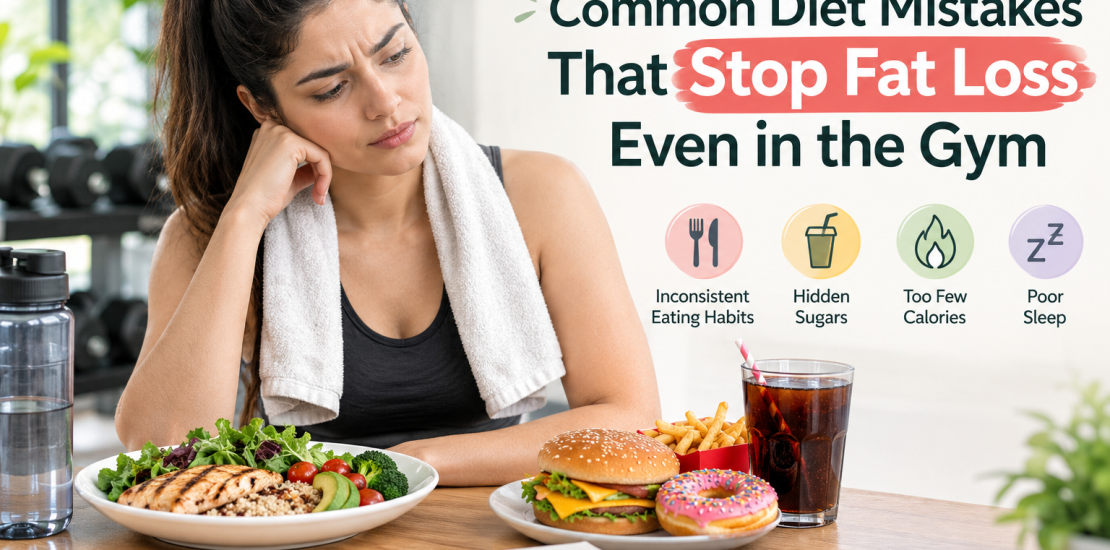
Embarking on a journey to lose fat can be both exciting and challenging. For many, the allure of a leaner, healthier body is a powerful motivator. However, despite spending countless hours in the gym, some find themselves struggling to shed those extra pounds. Understanding the intricacies of dieting and fat loss is crucial for achieving your goals.
Dieting is more than just a temporary change in eating habits; it’s a lifestyle adjustment. While exercise is an important component of fat loss, the role of your diet cannot be underestimated. Often, the roadblocks to body transformation success are not due to a lack of effort but rather common dietary mistakes that even seasoned gym-goers can make.
Understanding the Science of Fat Loss
To effectively lose fat, it’s essential to understand the basic science behind it. When you consume fewer calories than your body needs, it begins to use stored fat as an energy source, leading to fat loss. This process, known as a calorie deficit, is fundamental to losing weight.
However, the body is a complex system, and several factors can influence how efficiently it burns fat. Your metabolism, the rate at which your body converts food into energy, plays a significant role in body transformation. Factors like age, genetics, and muscle mass can affect your metabolic rate, impacting your ability to lose fat.
Moreover, hormones such as insulin and cortisol can affect fat storage and loss. Imbalances in these hormones can lead to increased fat retention, making it harder to achieve your goals. Understanding these scientific principles is crucial for recognizing the mistakes that might be hindering your progress.
Common Diet Mistake #1: Skipping Meals
Skipping meals might seem like a quick way to reduce caloric intake, but it can actually hinder your fat loss journey. When you skip meals, your body goes into starvation mode, slowing your metabolism to conserve energy. This can lead to muscle loss and a decrease in the number of calories your body burns at rest.

Additionally, skipping meals can lead to overeating later in the day. When you’re overly hungry, you’re more likely to make poor food choices and consume larger portions than necessary. This can offset any calorie savings you achieved by skipping a meal, potentially slowing your body transformation progress.
Instead of skipping meals, focus on eating balanced meals throughout the day. Consuming regular, nutrient-dense meals can keep your metabolism active and help you make healthier food choices. This approach supports sustainable fat loss by maintaining an effective calorie deficit without depriving your body of essential nutrients.
Common Diet Mistake #2: Overestimating Caloric Burn
It’s easy to overestimate the number of calories burned during exercise, leading to a false sense of accomplishment and potential overeating. Many gym-goers assume that an intense workout allows them to indulge in extra treats, underestimating the calories in those indulgences.
Exercise machines and fitness apps often provide estimates of calories burned, but these numbers can be inaccurate. They don’t always account for individual factors like body composition and workout intensity, leading to miscalculations in your calorie deficit.
To avoid this mistake, use a combination of tools and methods to estimate your caloric burn more accurately. Wearable fitness trackers, while not perfect, can offer a more personalized estimate. Additionally, focus on creating a consistent calorie deficit through both diet and exercise rather than relying solely on workouts to burn calories.
Common Diet Mistake #3: Relying on “Diet” Foods
“Diet” foods, such as low-fat, sugar-free, or calorie-free options, often promise quick and easy weight loss. However, these products can be misleading and counterproductive. Many diet foods are highly processed and contain artificial ingredients, which can disrupt your metabolism and lead to weight gain.
Moreover, the psychological effect of consuming diet foods can lead to overconsumption. People often feel justified in eating larger portions of these foods, believing they’re making a healthier choice, but this can negate any caloric advantage they might offer.
Instead of relying on diet foods, focus on whole, unprocessed foods that are naturally low in calories and high in nutrients. This approach not only supports weight loss but also promotes overall health and well-being. Incorporating a variety of fruits, vegetables, lean proteins, and whole grains can help you achieve a balanced diet without the need for processed alternatives.
Common Diet Mistake #4: Ignoring Portion Sizes

Portion control is a crucial aspect of dieting that is often overlooked. Even healthy foods can contribute to weight gain if consumed in large quantities. Many people underestimate the size of their portions, leading to an unintentional increase in caloric intake.
To effectively manage portion sizes, it’s important to become familiar with serving sizes and use tools like measuring cups or a food scale to ensure accuracy. Visual cues, such as comparing a portion of meat to the size of your palm, can also help you gauge appropriate serving sizes.
Practicing mindful eating can further aid in portion control. Eating slowly and paying attention to your body’s hunger signals can prevent overeating. By focusing on the quality and quantity of your food, you can maintain a calorie deficit without feeling deprived.
Common Diet Mistake #5: Not Tracking Food Intake
Failing to track your food intake can lead to inaccuracies in your calorie count and hinder your fat loss efforts. Without a clear understanding of what you’re consuming, it’s easy to exceed your daily caloric needs, even with healthy food choices.
Using a food diary or mobile app to record your meals can provide valuable insights into your eating habits. These tools can help you identify patterns, such as mindless snacking or high-calorie meals, that may be impacting your progress. They also offer a visual representation of your nutrient intake, ensuring you’re meeting your dietary needs.
Tracking your food doesn’t have to be tedious. Simple strategies, like planning your meals in advance or setting reminders to record your intake, can make the process more manageable. By staying accountable to your dietary goals, you can create a sustainable path to fat loss.
Common Diet Mistake #6: Focusing Solely on Exercise
While exercise is a vital component of fat loss, relying solely on physical activity without addressing your diet can stall your progress. Many gym-goers believe that they can out-exercise a poor diet, but without proper nutrition, you may struggle to achieve a calorie deficit.
Exercise should be viewed as a complement to a healthy diet, not a substitute. While workouts help build muscle and boost metabolism, they need to be paired with balanced eating habits to maximize fat loss. Ignoring dietary choices can lead to a plateau, where despite regular exercise, weight loss stagnates.
To overcome this mistake, create a comprehensive plan that incorporates both diet and exercise. Set realistic weight loss goals and develop a strategy that includes meal planning, portion control, and regular physical activity. This balanced approach ensures that your efforts are aligned with your fat loss objectives.
Common Diet Mistake #7: Underestimating the Importance of Hydration

Hydration plays a critical role in fat loss, yet it’s often overlooked. Dehydration can slow your metabolism, making it harder to burn calories efficiently. Moreover, thirst is sometimes mistaken for hunger, leading to unnecessary snacking and increased calorie consumption.
Drinking enough water helps regulate your appetite, supports digestion, and aids in the removal of waste products from the body. It’s recommended to consume at least eight 8-ounce glasses of water per day, but individual needs may vary based on factors like activity level and climate.
To ensure proper hydration, carry a water bottle with you throughout the day, and consider setting reminders to drink water regularly. Incorporating water-rich foods, such as fruits and vegetables, into your diet can also contribute to your daily fluid intake. By prioritizing hydration, you can enhance your fat loss efforts and improve overall health.
How to Overcome These Diet Mistakes
Recognizing and rectifying these common diet mistakes is key to achieving sustainable fat loss. By addressing these pitfalls, you can create a more effective and personalized approach that aligns with your goals.
- Create a Balanced Eating Plan: Focus on whole foods and maintain regular meal intervals to support your metabolism and energy levels.
- Monitor Your Progress: Use tools to track your food intake and caloric burn for a clear understanding of your dietary habits and exercise effectiveness.
- Stay Hydrated: Prioritize hydration as part of your daily routine to support metabolic processes and appetite regulation.
- Adopt a Holistic Approach: Combine diet and exercise for a comprehensive strategy that promotes consistent fat loss.
By implementing these strategies, you can overcome the barriers that have hindered your progress and pave the way for long-term success.
Conclusion: Achieving Sustainable Fat Loss
Achieving sustainable fat loss requires a commitment to understanding and improving your dietary habits. By identifying the common mistakes that can sabotage your efforts, you can make informed choices that support your goals. Remember, fat loss is not about quick fixes or temporary solutions but about creating a lifestyle that fosters health and well-being.
Your journey is unique, and success lies in a personalized approach that considers your individual needs and preferences. Stay patient, stay consistent, and most importantly, stay informed. With the right mindset and strategies, you can transform your efforts into lasting results.