Understanding the Debate: Lifting Heavy vs. Moving Well
In strength training, a common debate is whether to focus on lifting heavy weights or prioritizing movement quality. Proponents of lifting heavy emphasize building muscle strength, while advocates of moving well stress form, flexibility, and functional movement.
Both approaches offer unique benefits. Lifting heavy can increase muscle mass and strength, while focusing on movement quality enhances agility, balance, and injury prevention. The key is to find a balance that aligns with your personal fitness goals and body transformation.
By understanding the advantages and principles of each method, you can create a strength training plan that optimizes results and supports your individual objectives.
The Importance of Proper Form in Strength Training
Proper form is essential for effective strength training. It ensures that your body moves safely, minimizes the risk of injury, and maximizes the efficiency of each exercise. Prioritizing form engages the correct muscle groups, leading to better strength gains, improved functional movement, and long-term fitness benefits.
In addition to enhancing performance, proper form supports posture, balance, and coordination, contributing to effective body transformation. For example, performing a squat or deadlift with correct alignment targets the intended muscles while reducing strain on joints, improving overall body control and stability.

Developing proper form requires understanding the mechanics of each exercise, seeking guidance from fitness professionals when needed, and practicing consistently. By focusing on proper form, you create a strong foundation that promotes safe progress, optimal results, and long-term sustainability in your fitness journey.
Benefits of Lifting Heavy Weights
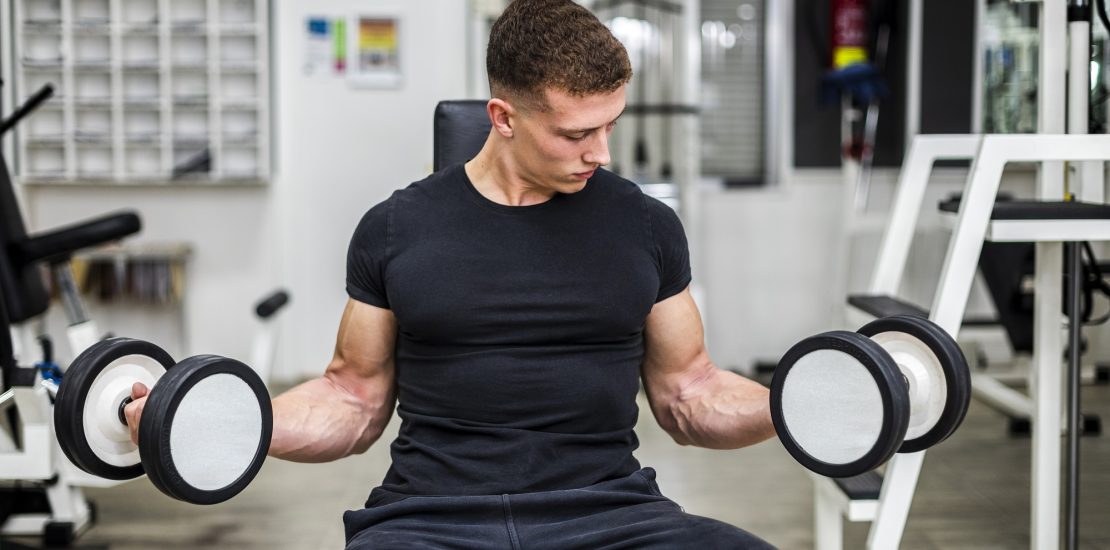
Lifting heavy weights offers several important benefits for strength training and body transformation. One of the primary advantages is increased muscle mass and strength. Heavier loads place greater tension on muscles, promoting hypertrophy and resulting in stronger, more powerful muscles that improve overall physical capabilities.
Heavy lifting also supports a higher metabolic rate. As muscle mass grows, your body burns more calories at rest, which can help with weight management and fat loss over time.
In addition, lifting heavy enhances bone density and joint strength. The stress on bones stimulates growth, reducing the risk of osteoporosis, while the increased load on joints strengthens supportive tissues, improving stability and resilience.
Advantages of Focusing on Movement Quality
Focusing on movement quality offers several important benefits in strength training. Prioritizing functional movement improves your body’s ability to handle everyday tasks efficiently and safely, from lifting objects to climbing stairs.

This focus also plays a key role in injury prevention. Proper technique ensures that movements are biomechanically sound, reducing the risk of strains, sprains, and other injuries, and allowing you to train consistently without setbacks.
Additionally, emphasizing movement quality enhances flexibility, mobility, balance, and coordination. These attributes not only support overall fitness but also improve athletic performance, making your training more effective, enjoyable, and sustainable over time.
How to Balance Heavy Lifting and Proper Technique
Finding the right balance between heavy lifting and proper technique is essential for maximizing strength training results. Integrating elements from both approaches allows you to benefit from each while maintaining safety.
- Periodization: Structure your training program to include phases that emphasize either heavy lifting or movement quality. This cyclical approach, known as periodization, allows you to focus on different aspects of training at different times, promoting well-rounded development.
- Progressive Overload: Gradually increase the weight you lift while maintaining proper form. This ensures that your muscles continue to adapt and grow without compromising your technique. Start with lighter weights to master the movement and gradually add resistance as your form improves.
- Incorporate Variety: Include exercises that challenge both your strength and movement quality. For example, combine compound lifts like deadlifts and squats with mobility exercises such as lunges and planks. This diverse approach ensures a comprehensive training experience that addresses multiple facets of fitness.
Implementing these strategies creates a balanced training regimen that enhances strength while minimizing injury risk.
Tips for Incorporating Both Approaches into Your Routine
Integrating heavy lifting and movement quality requires a thoughtful approach. Here are practical tips to achieve balance:
- Create a Balanced Program: Design a workout plan that includes both heavy lifting and movement-focused exercises. Allocate specific days or sessions to concentrate on each aspect, ensuring that you address both strength and technique consistently.
- Prioritize Recovery: Regardless of your focus, adequate rest and recovery are crucial for progress. Ensure you include rest days and active recovery sessions to allow your body to heal and grow stronger. Incorporating activities like yoga or stretching can also enhance your mobility and support overall well-being.
- Seek Professional Guidance: Consider working with a fitness professional to develop a personalized plan that aligns with your goals. A knowledgeable trainer can provide valuable insights and feedback, helping you refine your technique and safely increase the intensity of your workouts.
Implementing these strategies creates a well-rounded training regimen that supports strength, technique, and long-term progress.
Conclusion
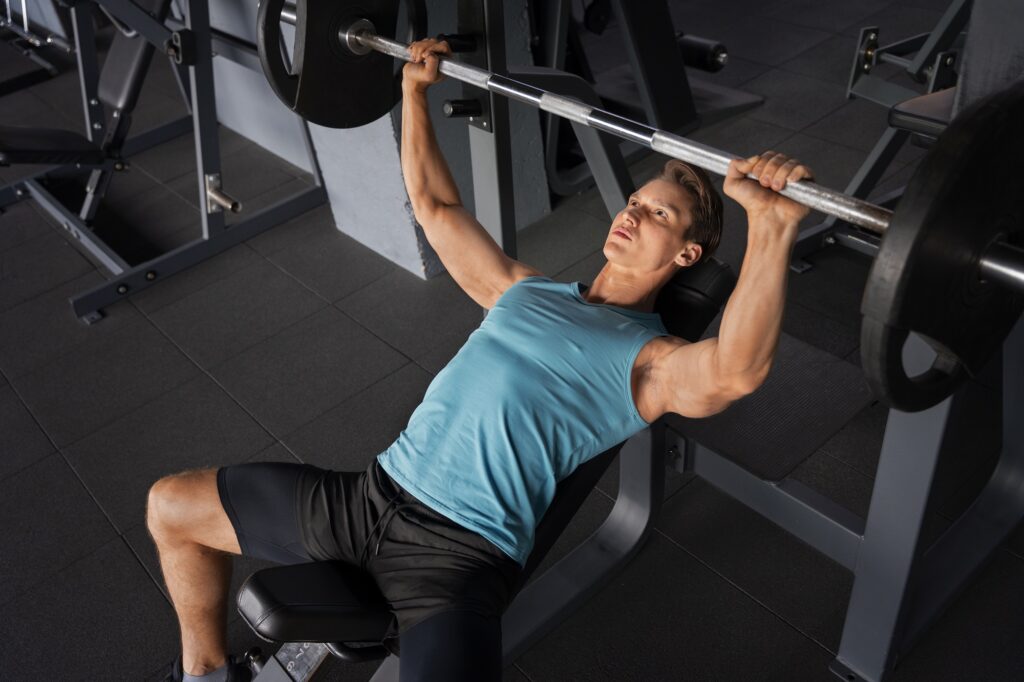
The key to strength training success lies in balancing lifting heavy and moving well. Integrating both approaches creates a comprehensive regimen that enhances strength, muscle mass, and functional movement while reducing injury risk.
Stay focused on your personal goals and regularly evaluate your progress. By being consistent and adaptable, you can refine your training approach over time and achieve lasting improvements in both strength and movement quality.