
Understanding the Diabetic-Friendly Plate
Managing diabetes involves much more than simply checking your blood sugar levels. It requires understanding how different foods influence your body and creating a balanced eating pattern that supports stable glucose control. A diabetic-friendly plate helps achieve this by focusing on food quality, variety, and appropriate portion sizes rather than only counting calories. This approach encourages you to choose nutrient-dense foods and limit items that may cause sudden spikes in blood sugar.
By dividing your plate into balanced portions of carbohydrates, proteins, and healthy fats, you can enjoy satisfying meals while keeping your glucose levels in check. This method also makes it easier to plan meals without constant stress or complicated calculations. Over time, adopting a diabetic-friendly plate can improve energy levels, support weight management, and even contribute to your body transformation. It provides a clear, sustainable framework for making daily food choices that align with long-term diabetes management goals.
Key Components of a Diabetic-Friendly Plate
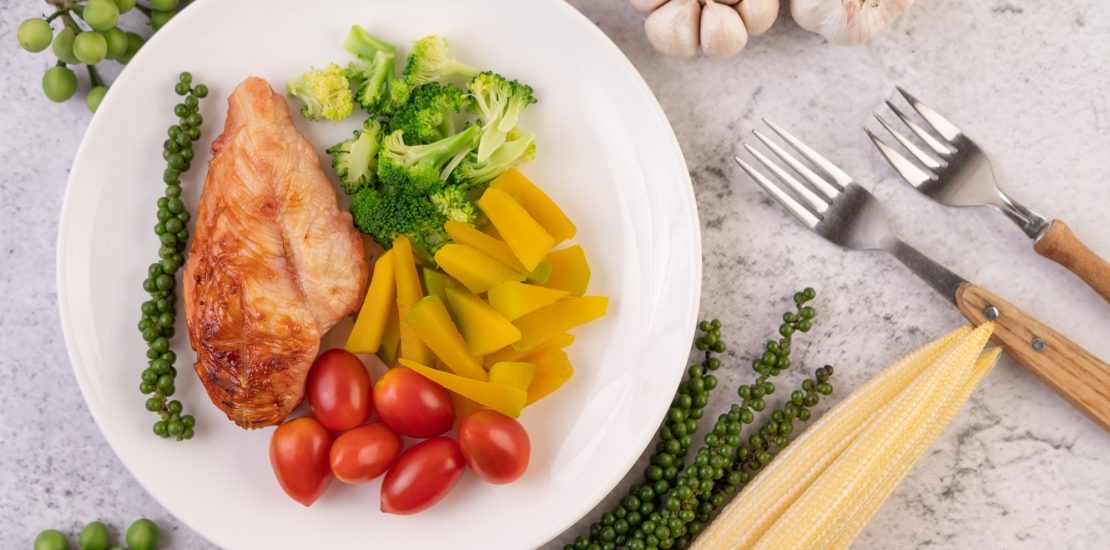
Creating a diabetic-friendly plate involves understanding key food groups that support balanced nutrition. The American Diabetes Association’s “Plate Method” divides your plate into three parts: half with non-starchy vegetables, one-quarter with lean proteins, and one-quarter with whole grains or starchy vegetables. This simple method ensures a balanced intake of essential nutrients.
Lean Proteins:
One-quarter of your plate should consist of lean proteins such as chicken, fish, tofu, or legumes. Proteins are vital for maintaining muscle mass and providing a feeling of fullness, which can help in controlling overall food intake and supporting your body transformation.
Non-Starchy Vegetables:
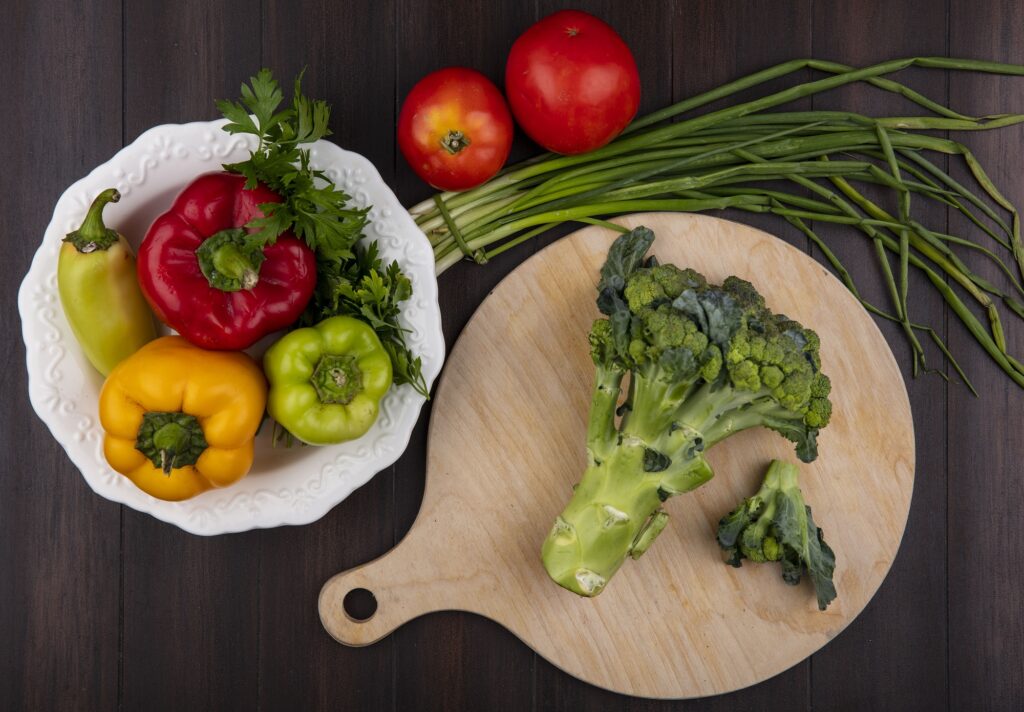
These should make up half of your plate and include options like leafy greens, broccoli, and bell peppers. These vegetables are low in calories and carbohydrates but rich in fiber, vitamins, and minerals, making them ideal for managing blood sugar levels.
Whole Grains or Starchy Vegetables:
The remaining quarter is for foods like brown rice, quinoa, or sweet potatoes. These provide slowly digested carbohydrates that help prevent rapid blood sugar spikes.
Including small amounts of healthy fats—such as avocados, nuts, or olive oil—can enhance flavor and offer additional health benefits. Following these guidelines helps you build meals that are satisfying and supportive of diabetes management. Following these guidelines helps you build meals that are satisfying, supportive of diabetes management, and beneficial for your body transformation.
Portion Control Without Counting Calories:
Portion control is an important part of managing diabetes and can be done effectively without counting calories. Understanding and visualizing appropriate portion sizes allows you to enjoy a variety of foods while maintaining good blood sugar control. The Plate Method is a simple and reliable way to guide portion sizes.
Visualizing Portions:
Using visual cues can make portion control easier. For example, a serving of protein should be roughly the size of a deck of cards, while a serving of whole grains can be compared to the size of a computer mouse. Non-starchy vegetables can take up half the plate since they are low in calories and high in nutrients.
Mindful Eating:
Practicing mindful eating can also aid in portion control. This involves paying full attention to the food you are eating, savoring each bite, and recognizing your body’s hunger and fullness signals. Eating slowly and without distractions allows you to enjoy your meals and prevents overeating.
Using Smaller Plates:
Choosing smaller plates is another practical way to naturally limit portions. This simple psychological technique helps you feel satisfied with less food and supports healthy weight and blood sugar levels. By applying these strategies, you can manage portions easily without the stress of calorie counting, making diabetes management more flexible and sustainable.
Foods to Avoid for Better Blood Sugar Control
Knowing which foods to avoid is just as important as choosing the right ones, as certain foods can cause rapid spikes in blood sugar. Limiting these items helps maintain better glucose control.

Sugary Beverages:
Beverages like soda, sweetened teas, and fruit juices contain high amounts of sugar and can lead to quick blood sugar spikes. Opt for water, herbal teas, or sugar-free drinks to quench your thirst without compromising your health.
Refined Carbohydrates:
Refined carbohydrates, such as white bread, pastries, and pasta, are stripped of their fiber and nutrients, causing rapid increases in blood sugar. Instead, choose whole grain alternatives that provide more fiber and nutrients.
Trans Fats:
Found in processed snacks, baked goods, and fried foods, trans fats not only affect blood sugar levels but also increase the risk of heart disease. Avoid these unhealthy fats and choose healthier options like nuts or seeds for snacks.
High-Sugar Desserts:
Desserts high in sugar, such as candies, cakes, and ice cream, can be particularly challenging for diabetics. If you crave something sweet, opt for healthier alternatives like fruit or desserts made with sugar substitutes.
By being mindful of these food choices, you can better manage your blood sugar levels and reduce the risk of diabetes-related complications.
Sample Diabetic-Friendly Plate Ideas
Creating a variety of diabetic-friendly meals keeps your diet interesting and satisfying. Here are some sample plate ideas to inspire you:

Breakfast:
- Oatmeal Bowl: Start your day with a bowl of steel-cut oats topped with berries, chia seeds, and a dollop of Greek yogurt.
- Veggie Omelet: Prepare an omelet with spinach, bell peppers, and tomatoes, served with a slice of whole-grain toast.
Lunch:
- Grilled Chicken Salad: Enjoy a salad with grilled chicken, mixed greens, cherry tomatoes, cucumber, and a vinaigrette dressing.
- Quinoa and Black Bean Bowl: Combine cooked quinoa with black beans, avocado, salsa, and a sprinkle of cheese for a hearty meal.
Dinner:
- Baked Salmon with Veggies: Serve baked salmon with a side of roasted Brussels sprouts and sweet potatoes.
- Stir-Fried Tofu and Broccoli: Stir-fry tofu and broccoli in a light soy sauce and serve over brown rice.
Snacks:
- Almonds and Fresh Fruit: A handful of almonds paired with apple slices or a small orange.
- Hummus and Veggie Sticks: Crunchy carrots, celery, and cucumber sticks with hummus for dipping.
These meal ideas emphasize variety and balance, making it easier to stick to a diabetic-friendly diet without feeling deprived.
Meal Prep Tips for Diabetic-Friendly Eating
Meal prepping can be a game-changer for maintaining a healthy diabetic-friendly diet. By planning and preparing your meals in advance, you can ensure that nutritious options are always available, making it easier to stick to your goals.
Plan Your Meals:
Start by creating a weekly meal plan that includes a variety of foods from each food group. Consider your schedule and choose meals that can be easily prepared and stored. This reduces the temptation to opt for unhealthy options when you’re short on time.
Batch Cooking:
Prepare larger quantities of staple foods like grains, proteins, and roasted vegetables that can be used in multiple meals throughout the week. This saves time and ensures you always have healthy components ready to assemble into a meal.
Portion and Store:
Divide your prepared foods into individual portion sizes and store them in airtight containers. Label each container with the contents and date to keep track of freshness. This makes it convenient to grab a balanced meal on the go.
Invest in Quality Containers:
Using glass or BPA-free plastic containers of various sizes can help keep your meals organized and fresh. Having a good selection of containers ensures you can store different types of foods without mixing flavors or textures.
By incorporating these meal prep strategies, you can simplify your meal planning process and consistently enjoy balanced, diabetic-friendly meals.
The Role of Fiber in Diabetic Nutrition
Fiber plays a significant role in diabetic nutrition because it helps regulate blood sugar levels and promotes digestive health. It is a type of carbohydrate that the body cannot digest, so it doesn’t cause spikes in blood sugar. Including sufficient fiber in your diet is essential for diabetes management.
Types of Fiber:
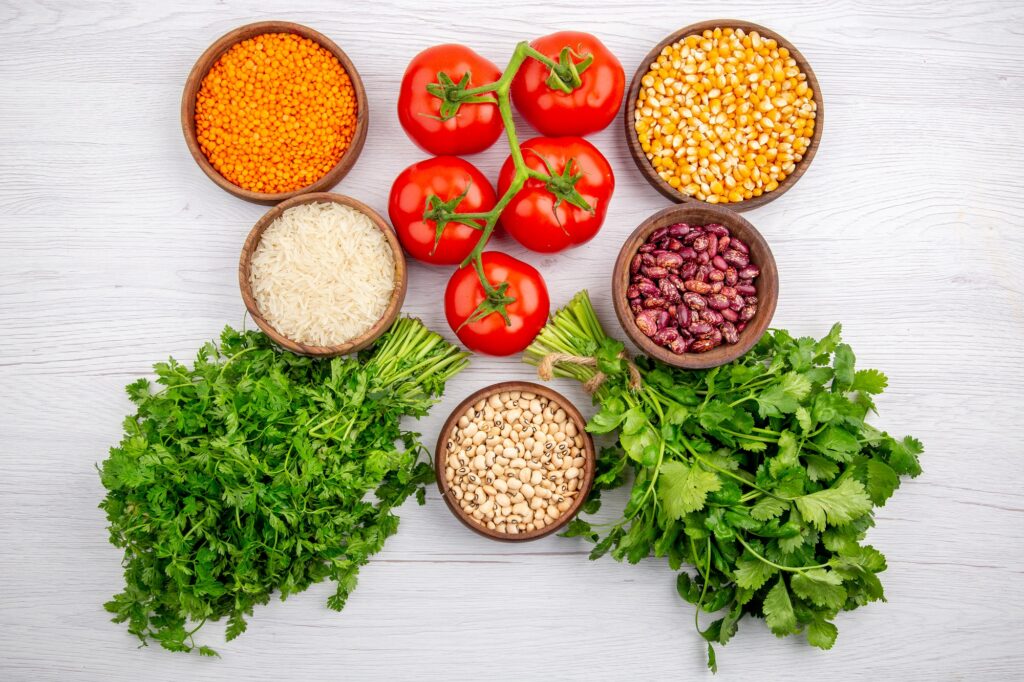
There are two main types of fiber: soluble and insoluble. Soluble fiber dissolves in water and forms a gel-like substance that helps lower blood cholesterol and glucose levels. Foods rich in soluble fiber include oats, beans, and fruits. Insoluble fiber aids in digestion by adding bulk to stool and can be found in whole grains, nuts, and vegetables.
Benefits of Fiber:
Fiber helps slow the absorption of sugar into the bloodstream, preventing rapid spikes in blood sugar levels. It also promotes a feeling of fullness, which can aid in weight management, a crucial factor in diabetes control. Additionally, a high-fiber diet supports heart health, reducing the risk of cardiovascular complications associated with diabetes.
Incorporating Fiber into Your Diet:
Include more whole grains, fruits, and vegetables in your meals. Gradually increase intake to allow your digestive system to adjust. Aim for 25–30 grams of fiber per day, as recommended by health experts. By including fiber-rich foods, you can improve blood sugar management and overall health.
Conclusion
Mastering the diabetic-friendly plate is more than managing your condition; it is about embracing a healthier lifestyle. By focusing on balanced nutrition, portion control, and smart food choices, you can enjoy meals that are both delicious and supportive of diabetes management.
Adopting these practices takes time, but the benefits, including improved energy, better blood sugar control, and reduced risk of complications, are well worth it. Making gradual, consistent changes is key to long-term success.