Why Small Lifestyle Changes Matter More Than Strict Diets
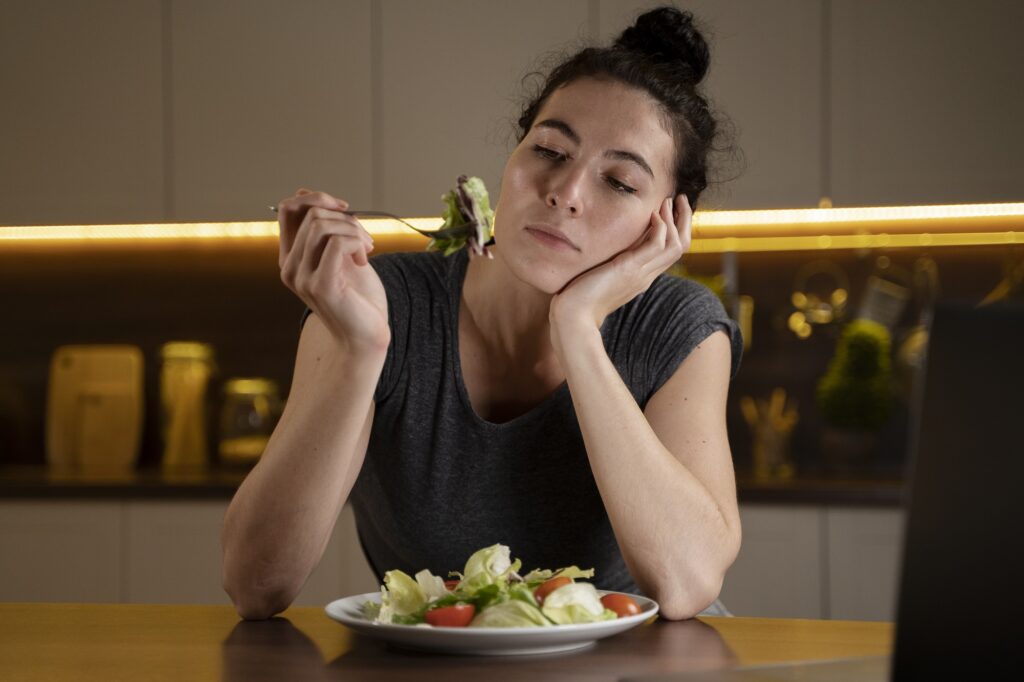
In today’s fast-paced world, the quest for health often leads many to embark on strict diets, hoping for quick fixes. However, the essence of sustainable health lies not in temporary restrictions but in embracing small lifestyle changes. These changes are pivotal as they align with a more balanced, long-term approach to well-being. Adopting minor adjustments in your daily routine can gradually reshape your overall health and support your body transformation goals. Unlike rigid diets that often result in temporary success, lifestyle changes foster a more profound understanding of your body’s needs. This approach encourages consistency and helps you build habits that seamlessly integrate into your daily life. Moreover, small lifestyle changes offer flexibility and are more adaptable to your individual circumstances. They provide a foundation for continuous improvement, allowing you to adjust and evolve your habits as your goals and needs change. By focusing on these incremental modifications, you can achieve lasting health benefits without the pitfalls of restrictive dieting. The Difference Between Lifestyle Changes and Strict Diets Strict diets often promise rapid weight loss or quick health improvements, but they can be challenging to maintain over time. These diets may involve eliminating entire food groups or drastically reducing calorie intake, which can lead to feelings of deprivation and frustration. In contrast, lifestyle changes focus on gradual adjustments that promote overall well-being without imposing harsh restrictions. One of the main differences between the two approaches is sustainability, which plays a crucial role in successful body transformation. While strict diets might deliver immediate results, they often lack the long-term viability needed for sustained health. Lifestyle changes, on the other hand, prioritize gradual improvements that can be maintained indefinitely. This ensures that the progress you make is lasting and not just a temporary fix. Additionally, lifestyle changes emphasize a holistic view of health, taking into account not only nutrition but also physical activity, mental well-being, and other aspects of life. This comprehensive perspective helps you create a balanced and fulfilling life, rather than focusing solely on dietary restrictions. By shifting your focus from temporary diets to enduring lifestyle changes, you can achieve a healthier, more balanced life. Key Benefits of Small Lifestyle Changes Embracing small lifestyle changes can lead to numerous benefits that extend beyond just physical health. One of the most significant advantages is improved mental well-being. By making minor adjustments, you can reduce stress, enhance mood, and increase your overall happiness, leading to a more positive outlook on life. Another key benefit is enhanced physical health. Small changes, such as incorporating more fruits and vegetables into your diet or taking daily walks, can significantly impact your physical well-being. These adjustments can improve cardiovascular health, boost energy levels, and support weight management, contributing to a healthier lifestyle overall. Lastly, small lifestyle changes promote a sense of control and empowerment in your body transformation journey. By taking charge of your habits and routines, you can build confidence and resilience in your ability to make positive changes. This empowerment can motivate you to continue making healthy choices and inspire those around you to do the same, creating a ripple effect of well-being. Effective Small Changes to Improve Your Health Implementing small changes can have a profound impact on your health. Here are some effective adjustments you can make: Each of these changes is simple to implement and requires minimal effort, yet they can collectively contribute to significant health improvements. By focusing on these small actions, you can create a foundation for a healthier lifestyle. How to Create a Sustainable Lifestyle Change Plan Creating a plan for sustainable lifestyle changes involves setting realistic goals and developing a strategy to achieve them. Begin by identifying the areas of your life where you’d like to see improvement, such as nutrition, physical activity, or stress management. Once you’ve identified your focus areas, set specific, achievable goals. For example, if you want to increase your physical activity, start with a goal of walking for 20 minutes a day, three times a week. As you become more comfortable, gradually increase the duration and frequency of your walks. Track your progress and celebrate your successes, no matter how small. Recognizing your achievements can boost motivation and encourage you to continue making positive changes. Remember, the goal is to create habits that are sustainable and enjoyable, leading to long-term health benefits. The Role of Mindfulness in Health Changes Mindfulness plays a crucial role in making sustainable health changes. By being present and fully engaged in your actions, you can make more informed decisions about your health and well-being. This awareness helps you recognize the triggers and behaviors that may hinder your progress and allows you to address them effectively. Practicing mindfulness can enhance your relationship with food, encouraging you to make healthier choices and eat in response to hunger rather than emotions. Additionally, mindfulness can increase your awareness of physical activity, prompting you to move more and find joy in exercise. Incorporating mindfulness into your daily routine doesn’t require significant time or effort. Simple activities like meditation, deep breathing, or mindful walking can help you cultivate a sense of presence and awareness, ultimately supporting your journey toward sustainable health. Incorporating Physical Activity into Your Daily Routine Physical activity is a vital component of a healthy lifestyle, and incorporating it into your daily routine can be easier than you think. Start by finding activities you enjoy, as this will increase your likelihood of sticking with them. Whether it’s dancing, cycling, or swimming, the key is to choose exercises that are enjoyable and suit your lifestyle. Create a schedule that allows you to fit physical activity into your day naturally. This might involve setting aside time for a morning jog, taking a dance class after work, or even doing simple exercises during TV commercial breaks. Staying active can also help improve posture, confidence, and overall fitness, making it easier to feel comfortable and confident when wearing formal dresses for special occasions or professional events. Consistency is crucial, so aim to make physical