How Progressive Overload Changes Your Body Over Time
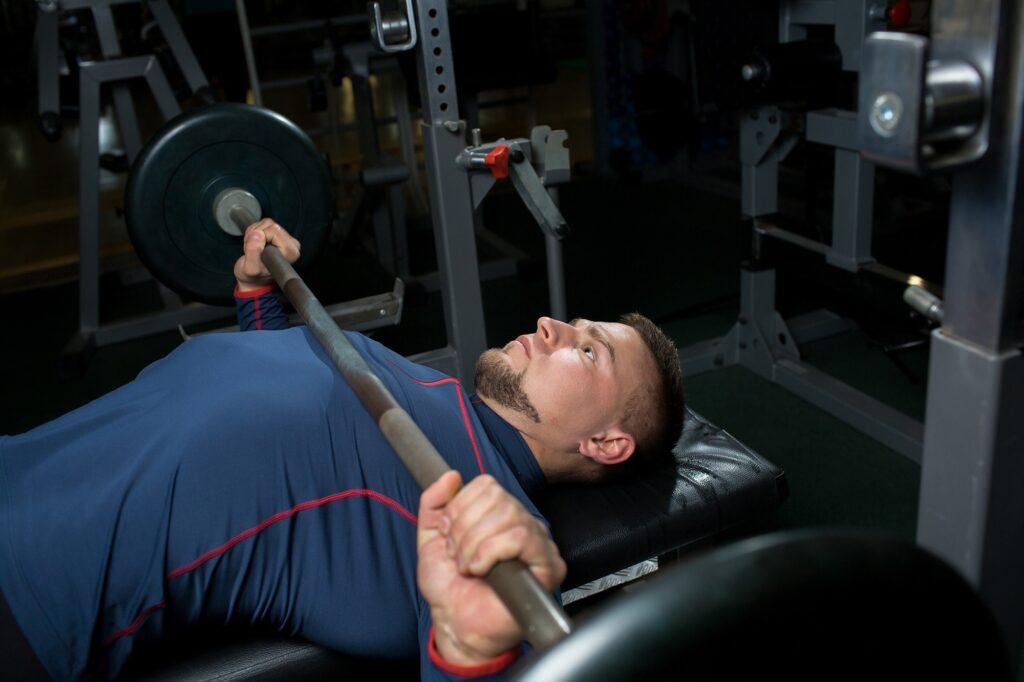
Progressive overload is a fundamental principle in strength training and fitness. It refers to the gradual increase of stress placed upon the body during exercise. When you consistently challenge your muscles with increasing loads, they adapt by growing stronger and more resilient. This concept is crucial for anyone looking to enhance their physical performance and achieve long-term fitness goals. To effectively implement progressive overload, it’s important to understand that it doesn’t solely rely on lifting heavier weights. There are various ways to apply this principle, such as increasing the volume (more repetitions or sets), the intensity (lifting heavier weights), the frequency (more workouts per week), or by improving your form and technique. By systematically challenging your body, you encourage it to adapt, leading to significant improvements over time and supporting a lasting body transformation. The success of progressive overload lies in its adaptability. Regardless of your current fitness level, you can tailor this approach to fit your needs. Whether you are a beginner or an advanced athlete, incorporating progressive overload into your routine ensures continual progression and helps you avoid plateaus that may otherwise hinder your progress. The Science Behind Muscle Growth Muscle growth, also known as hypertrophy, occurs when the fibers in muscles experience stress beyond their current capabilities. This stress causes small tears in the muscle fibers. During the recovery process, the body repairs these fibers, making them larger and stronger than before. Progressive overload is the mechanism that initiates this cycle of stress and repair, leading to increased muscle mass and strength. At the cellular level, muscle growth is facilitated by protein synthesis. When you engage in resistance training, your body responds by boosting protein synthesis to repair damaged muscle fibers. Consuming adequate protein and ensuring sufficient rest are essential components of this process, as they provide the necessary building blocks and recovery time for muscle repair. These factors are also fundamental to achieving a successful body transformation, as they support sustained muscle development and overall physical progress. Understanding the role of hormones like testosterone and growth hormone is also critical in muscle development. These hormones are naturally elevated after resistance training and are crucial for muscle growth. By consistently applying progressive overload, you can optimize these hormonal responses, further enhancing your gains. Benefits of Progressive Overload Progressive overload offers numerous advantages beyond muscle growth. One of the most notable benefits is increased strength. As your muscles adapt to the increased demands, they become capable of handling heavier loads. This not only improves your performance in the gym but also enhances your functional strength in daily activities. Another significant benefit is enhanced endurance. By gradually increasing the intensity and duration of your workouts, you train your cardiovascular system to become more efficient. This results in improved stamina, allowing you to perform longer and more intense exercise sessions without fatigue setting in too quickly. Improved endurance is also a key component of a successful body transformation, helping you sustain higher levels of physical activity and achieve your fitness goals more effectively. In addition to physical improvements, progressive overload also has mental benefits. Overcoming the challenges of increased training demands builds mental resilience. This can lead to improved confidence both in fitness contexts and in other areas of life. Embracing the discomfort of pushing your limits can foster a growth mindset, encouraging you to pursue continuous improvement. Different Methods of Implementing Progressive Overload Progressive overload can be implemented using various methods, allowing you to tailor your approach based on your goals and preferences. Here are some effective strategies: How Progressive Overload Affects Strength and Endurance Progressive overload is integral to building both strength and endurance. As you progressively increase the demands on your muscles, they adapt by becoming stronger. This increase in strength translates to better performance in various physical activities, from lifting heavy objects to performing high-intensity workouts. Endurance is similarly improved through gradual increments in training stress. By enhancing your muscles’ ability to sustain prolonged activity, you build endurance. This is especially important for athletes and individuals participating in endurance sports like running or cycling. The cumulative effect of progressive overload on endurance allows for longer and more efficient performance. Moreover, the benefits of progressive overload extend beyond physical capabilities. As you witness improvements in strength and endurance, your motivation and commitment to your fitness journey are reinforced. This cycle of progress and reward keeps you engaged and eager to continue pushing your limits. Tracking Your Progress: Importance of Consistency Consistent tracking of your progress is essential in a progressive overload plan. Keeping a detailed record of your workouts allows you to monitor improvements and adjust your training program as needed. This can involve noting down weights lifted, repetitions completed, and any changes in body measurements. Consistency is key to achieving your fitness goals. Regularly applying progressive overload ensures that you continue to challenge your body, preventing plateaus and maximizing results. It’s important to stay committed to your routine, even when progress seems slow. Remember, muscle growth and strength improvements are gradual processes that require patience and dedication. Utilizing tools such as fitness apps, journals, or spreadsheets can help you stay organized and focused on your goals. By tracking your progress, you gain valuable insights into what works best for you and what areas may need adjustment. This empowers you to make informed decisions, optimizing your training for maximum effectiveness. Common Mistakes to Avoid with Progressive Overload While progressive overload is a powerful tool, there are common mistakes that can hinder your progress. One of the most prevalent errors is increasing the weight too quickly. This can lead to poor form, increased risk of injury, and ultimately, limited gains. It’s crucial to prioritize proper technique over heavier loads, gradually increasing the weight as your strength improves. Another mistake is neglecting recovery. Overtraining without adequate rest can lead to burnout and diminish your progress. Ensure you incorporate rest days and prioritize sleep to allow your muscles to recover and grow. Listening to your body and recognizing the