The First 90 Days of Body Transformation
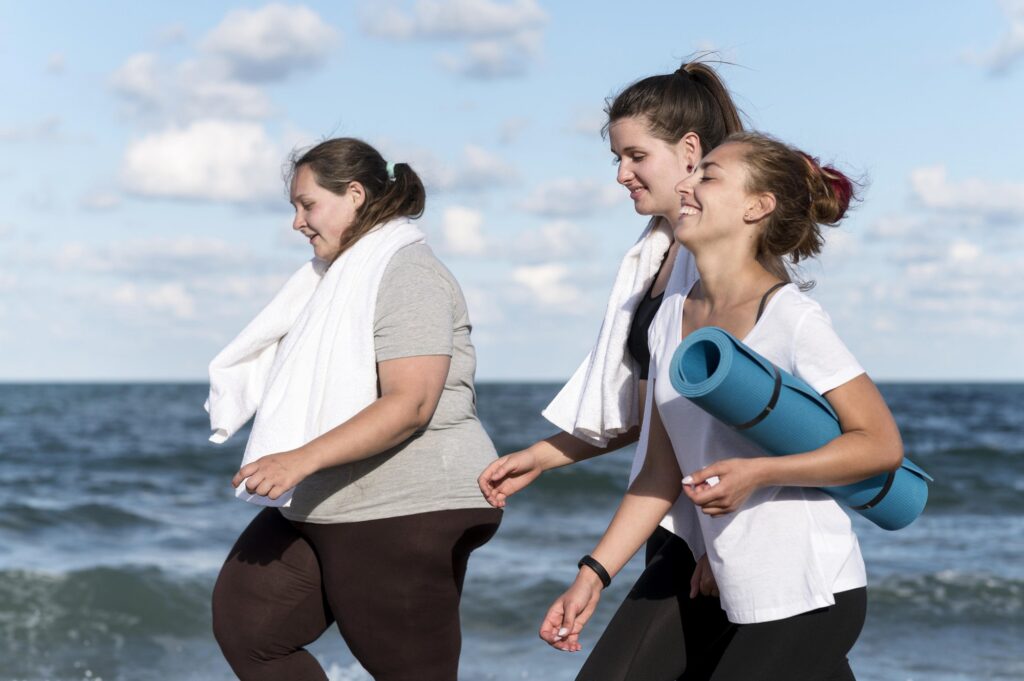
Embarking on a body transformation journey can be an exciting and challenging adventure. The first 90 days are crucial as they lay the foundation for future success. During this period, you will experience a plethora of changes that will not only affect your physical appearance but will also impact your mental and emotional well-being. Understanding what to expect during these initial stages can help you stay motivated and committed to your goals. As you begin, it’s important to set a clear and realistic goal. Whether you aim to lose weight, gain muscle, or improve your overall fitness, having a specific target in mind will guide your efforts. This body transformation journey is not just about the destination but about embracing the process, learning about your body, and discovering your potential. Every small victory along the way contributes to your ultimate success. The Physical Changes in the First 90 Days During the initial 90 days of your body transformation, you will witness significant physical changes. The first few weeks might be the toughest as your body adjusts to new routines. You may notice increased muscle soreness and fatigue, which are signs that your muscles are being challenged and are beginning to grow. As you progress, your endurance and strength will improve. This is when you might start seeing visible changes in your body composition, such as a reduction in body fat and an increase in muscle tone. These changes happen because your body is becoming more efficient at burning calories and utilizing energy, marking an important stage in your body transformation journey. It’s important to remember that everyone’s body responds differently. Some may see results faster, while others may need more time. The key is consistency and patience. Tracking your progress through measurements and photos can be more motivating than relying solely on the scale, as numbers can be deceiving due to factors like water retention and muscle gain. The Role of Nutrition in Body Transformation Nutrition plays a fundamental role in any successful body transformation. The foods you consume provide the fuel and building blocks necessary for muscle growth and fat loss. A balanced diet rich in proteins, healthy fats, and carbohydrates will support your body’s changing needs. Proteins are essential for repairing and building muscle tissues. Incorporate lean sources like chicken, fish, tofu, and legumes into your meals. Healthy fats support hormone production and energy utilization. Avocados, nuts, and olive oil are excellent choices. Carbohydrates provide the energy required for your workouts, so don’t shy away from whole grains and vegetables, as they all play a vital role in supporting a successful body transformation. Meal planning and preparation can help you stay on track with your nutrition goals. Consider keeping a food journal to monitor your intake and make necessary adjustments. Remember, it’s not about perfection but about making sustainable changes that you can maintain over time. Understanding Muscle Growth and Fat Loss Muscle growth, also known as hypertrophy, occurs when your muscles repair and strengthen after being subjected to stress, such as weightlifting. To maximize muscle growth, you must focus on progressive overload—gradually increasing the weight or resistance to challenge your muscles continually. Fat loss, on the other hand, involves creating a calorie deficit, where you burn more calories than you consume. This can be achieved through a combination of diet and exercise. Cardiovascular activities such as running, cycling, or swimming are effective for burning calories, while strength training helps build and preserve muscle mass. It’s crucial to strike a balance between muscle growth and fat loss to achieve a toned and lean physique. Too much emphasis on one aspect can lead to imbalances or plateaus. Therefore, incorporating a mix of strength training and cardio, coupled with proper nutrition, will yield the best results. The Importance of Hydration Staying hydrated is often overlooked but is vital to any body transformation plan. Water plays a critical role in various bodily functions, including nutrient transport, temperature regulation, and joint lubrication. During workouts, you lose fluids through sweat, making it essential to replenish them to maintain performance and recovery. Aim to drink at least 8-10 glasses of water daily, adjusting for factors such as exercise intensity and climate. Remember that hydration needs can vary, so listen to your body’s signals. Signs of dehydration include thirst, dark urine, and fatigue, which can hinder your progress and well-being. Incorporating water-rich foods like fruits and vegetables can also contribute to your hydration levels. Additionally, consider consuming electrolyte drinks if you’re engaging in prolonged or intense workouts, as they help maintain the body’s electrolyte balance. Mental Changes During Body Transformation Body transformation is not only a physical journey but also a mental one. As you push your physical limits, you’ll face mental challenges that require resilience and determination. The first 90 days are a time of significant mental adaptation, where you learn to overcome self-doubt and develop a positive mindset. Building self-discipline is key to maintaining consistency. As you establish new habits, you’ll likely encounter moments of doubt or temptation. Developing strategies to manage stress and setbacks is crucial. This can include mindfulness practices, positive affirmations, or seeking support from a community or coach. Celebrating small victories and acknowledging your progress can boost your motivation and self-esteem. Remember that transformation is a journey, not a sprint. Embrace each step, and focus on long-term growth rather than immediate results. Setting Realistic Goals for the First 90 Days Setting realistic and achievable goals is critical to a successful body transformation. Rather than focusing solely on aesthetic changes, consider setting performance-based goals, such as improving your endurance, increasing your strength, or mastering a new exercise technique. Break down your overarching goals into smaller, manageable milestones. For example, if your goal is to lose 10 pounds, aim for a gradual weight loss of 1-2 pounds per week. This approach prevents discouragement and allows you to celebrate progress along the way. Use the SMART criteria—Specific, Measurable, Achievable, Relevant, and Time-bound—to guide your goal-setting process. This ensures that your goals