
Foods That Increase Metabolism and Support Weight Loss
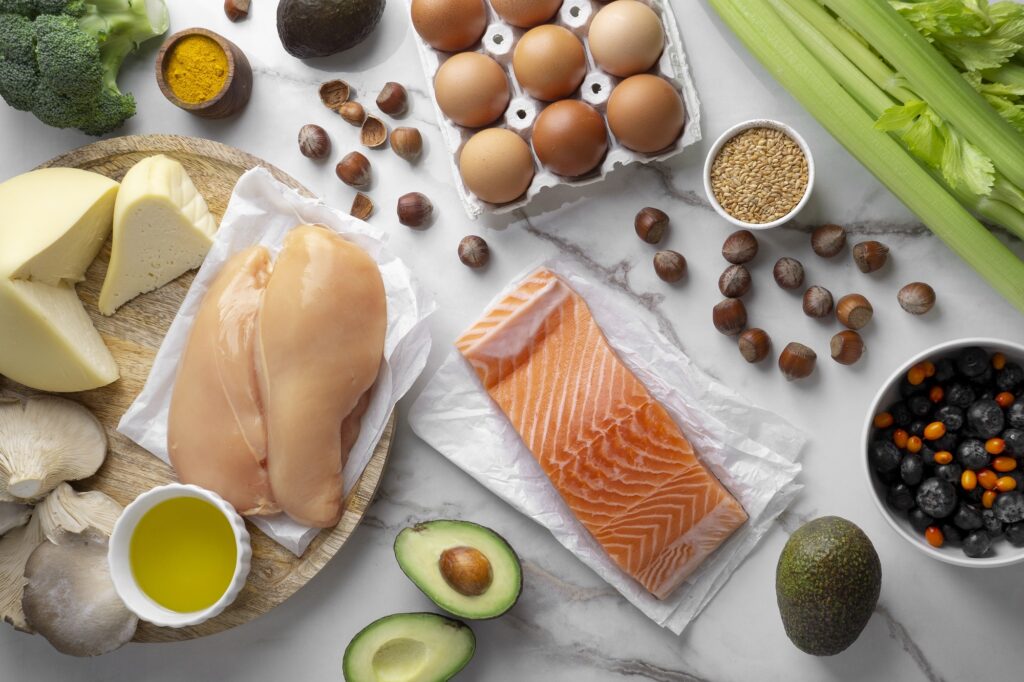
Metabolism is a complex biochemical process by which your body converts what you eat and drink into energy. Even at rest, your body needs energy for essential functions such as breathing, circulating blood, and repairing cells. This energy expenditure, known as your basal metabolic rate (BMR), varies from person to person based on several factors, including age, gender, and body composition. Understanding these nuances can help you tailor your weight loss strategy effectively. A faster metabolism means your body burns calories more efficiently, which can support weight loss efforts. Various factors can influence your metabolic rate, including genetic predisposition, hormonal balance, and lifestyle choices. While you can’t change your genetics, you can make lifestyle adjustments that enhance metabolic efficiency. These adjustments include regular physical activity, proper hydration, and, notably, dietary choices that fuel your metabolism—key elements for achieving a sustainable body transformation. Understanding how metabolism works can empower you to make informed dietary choices. Many people mistakenly believe that metabolism is solely about burning calories. However, it involves a range of physiological processes that sustain life and health. By focusing on boosting your metabolism through targeted nutrition, you can optimize your body’s energy use, potentially leading to more effective weight management. Top Foods to Boost Your Metabolism Certain foods have been shown to enhance metabolic rate, aiding in weight loss. These foods often require more energy to digest, absorb, and process, a phenomenon known as the thermic effect of food (TEF). By incorporating these foods into your diet, you can give your metabolism a natural boost and support a sustainable body transformation. Incorporating these foods into your meals can be simple and delicious. Consider starting your day with a protein-rich breakfast, like scrambled eggs with spinach and whole-grain toast. For lunch, a salad with grilled chicken and a sprinkle of chili flakes can keep your metabolism active. Experiment with these options to find combinations that work best for your taste and lifestyle. The Science Behind Metabolism-Boosting Foods The science behind metabolism-boosting foods lies in their nutrient composition and how they affect your body’s energy expenditure. Protein, for instance, not only requires more energy to digest but also helps preserve muscle mass, which is crucial for maintaining a healthy metabolic rate. Muscle tissue burns more calories than fat, even at rest, making protein an essential component of a metabolism-friendly diet and an important factor in achieving a sustainable body transformation. Fiber-rich foods, such as whole grains, fruits, and vegetables, also play a significant role in metabolism. Fiber is not easily digestible, meaning your body expends more energy to process it. Additionally, fiber helps regulate blood sugar levels, curbing hunger and preventing overeating. This helps maintain a steady energy supply without the spikes and crashes associated with high-sugar foods. Thermogenic spices and herbs can temporarily increase your body’s heat production, requiring more energy and consequently burning more calories. Capsaicin, found in chili peppers, is a prime example of a compound that can enhance thermogenesis. Studies suggest that consuming such spices can lead to a slight increase in calorie expenditure, supporting weight management efforts. How Protein-Rich Foods Aid Metabolism Protein is a powerhouse nutrient when it comes to boosting metabolism. Its digestion requires more energy compared to fats and carbohydrates, a process known as diet-induced thermogenesis. This means that by eating protein, you effectively increase your calorie-burning potential. Additionally, protein helps build and repair muscle tissue, which is metabolically active and burns more calories at rest than fat tissue. Incorporating more protein into your diet can be straightforward. Aim to include a protein source in every meal, whether it’s animal-based like chicken, fish, or eggs, or plant-based such as beans, lentils, or tofu. This not only aids in metabolism but also helps in feeling full longer, reducing the likelihood of snacking on high-calorie foods. It’s important to balance your protein intake with other nutrients to ensure a well-rounded diet. While protein is essential, excessive intake can strain the kidneys and may not provide additional metabolic benefits. Strive for a balanced diet that includes healthy fats and carbohydrates alongside protein to support overall health and metabolic function. The Role of Fiber in Metabolic Health Fiber plays a crucial role in metabolic health by aiding digestion and promoting a feeling of fullness. Foods high in fiber, such as fruits, vegetables, and whole grains, require more energy to digest, thus increasing the thermic effect of food. This process can help boost your metabolism by burning more calories during digestion. Dietary fiber also helps regulate blood sugar levels, which can prevent insulin spikes and crashes that often lead to overeating. By maintaining stable blood sugar levels, fiber contributes to sustained energy levels and a reduction in cravings, supporting your weight loss goals. To increase your fiber intake, consider incorporating a variety of fiber-rich foods into your diet. Start your meals with a salad or vegetable soup, choose whole-grain options over refined grains, and snack on fruits and nuts. Not only does this support metabolic health, but it also provides essential vitamins and minerals that contribute to overall wellness. Spices and Herbs That Ignite Your Metabolism Certain spices and herbs have been shown to have thermogenic properties, helping to increase your metabolic rate. These ingredients can enhance the flavor of your dishes while also providing a metabolic boost. Incorporating them into your meals can be a simple yet effective way to support weight loss efforts. Adding spices and herbs to your meals not only enhances flavor but also provides a variety of health benefits. Experiment with different combinations to find what suits your palate best. For example, you might add a pinch of turmeric to your morning smoothie or sprinkle chili flakes on your roasted vegetables for an extra kick. Healthy Fats: Why They Matter for Weight Loss Healthy fats are an essential component of a balanced diet and can support weight loss by promoting satiety and improving metabolic health. Unlike unhealthy trans fats, healthy fats such as those found in avocados, nuts, seeds, and olive oil