
Why Elderly People Are at Higher Risk of Fractures
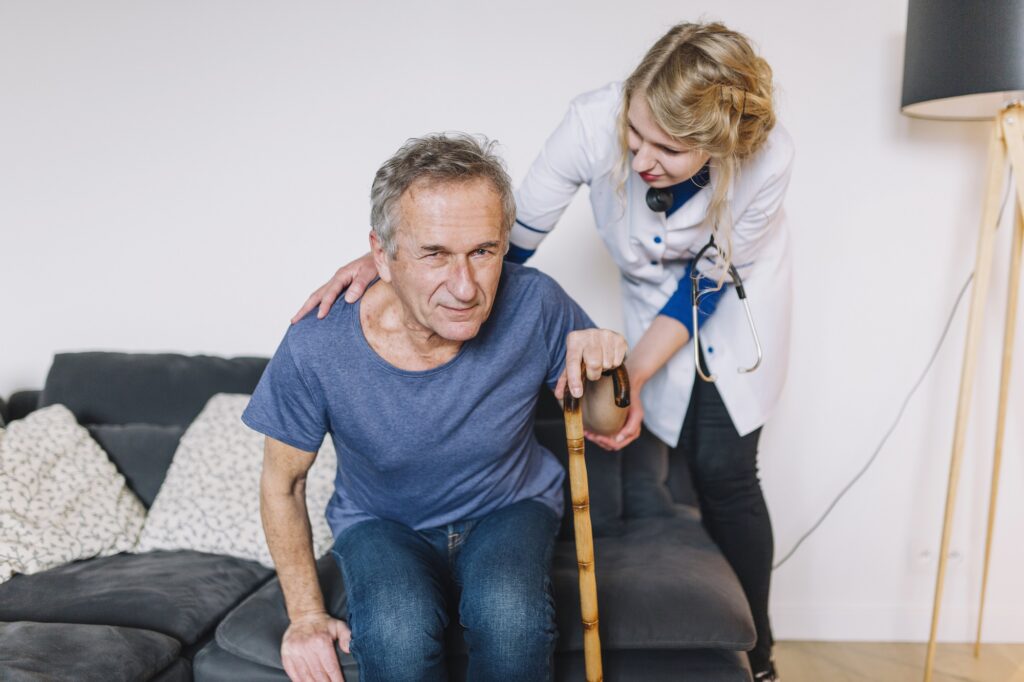
As we age, the risk of fractures increases significantly, posing a substantial challenge for older adults. Fractures can severely impact the quality of life, independence, and overall well-being. Understanding why the elderly are more prone to fractures and learning effective prevention strategies is crucial for maintaining bone health and reducing fracture risk. The aging process brings about physiological changes that weaken the skeletal system. Bones become more fragile, and the body’s natural ability to heal diminishes. This makes falls and other accidents more likely to result in fractures. By gaining insight into these changes, you can take proactive steps to safeguard your bone health and support a sustainable body transformation focused on strength and longevity. Addressing the issue of fractures in the elderly requires a comprehensive approach. From understanding the anatomy of bone health to implementing lifestyle changes, each aspect plays a vital role. Understanding the Anatomy of Bone Health Bone health is a critical component of overall health, especially as you age. Bones provide structure, protect organs, anchor muscles, and store calcium. They are composed of a dense outer layer known as cortical bone and a spongy inner layer called trabecular bone. Both layers work together to maintain strength and flexibility. As you age, your bones undergo a continual process of remodeling, where old bone tissue is replaced with new. However, in elderly individuals, this process slows down, leading to an imbalance where bone loss occurs more rapidly than bone formation. This imbalance contributes to a decrease in bone density and an increased risk of fractures. Understanding these anatomical changes is essential for recognizing the importance of maintaining bone health. By prioritizing bone health through nutrition, exercise, and regular check-ups, you can mitigate the natural decline and maintain stronger bones well into your later years, supporting a long-term body transformation focused on strength and overall well-being. Key Factors Contributing to Increased Fracture Risk Several factors contribute to the heightened risk of fractures in older adults. Age-related changes in bone density are a primary concern, but other factors such as genetics, lifestyle, and underlying medical conditions also play significant roles. Understanding these factors allows you to make informed decisions and adopt strategies that promote stronger bones and reduce the chance of fractures. Common Types of Fractures in Older Adults Fractures in the elderly often occur in specific areas that are more vulnerable due to changes in bone density and structure. Some of the most common fractures include: Recognizing these common fracture types can help you focus on preventing falls and minimizing risk factors associated with each area. The Role of Osteoporosis in Fracture Risk Osteoporosis is a prevalent condition in older adults that significantly increases the risk of fractures. It is characterized by decreased bone mass and deterioration of bone tissue, making bones more fragile and susceptible to fractures even with minor injuries. Diagnosing osteoporosis early is crucial for effective management and prevention of fractures. Bone density tests, such as a DEXA scan, can help identify osteoporosis before a fracture occurs. If diagnosed, medications and lifestyle changes can slow bone loss and improve bone strength. Understanding the role of osteoporosis in fracture risk empowers you to take proactive measures. By addressing osteoporosis through medical intervention and lifestyle modifications, you can greatly reduce the likelihood of fractures. Importance of Nutrition for Bone Health Nutrition plays a pivotal role in maintaining bone health and reducing fracture risk. A balanced diet rich in essential nutrients supports bone density and strength. Key nutrients for bone health include calcium, vitamin D, and protein. Key Nutrients for Bone Health: Incorporating these nutrients into your diet can significantly enhance bone health and reduce the risk of fractures. Consulting with a nutritionist can help tailor a diet plan that meets your specific needs. Lifestyle Changes to Reduce Fracture Risk Implementing lifestyle changes is a proactive approach to reducing fracture risk. By modifying certain habits, you can enhance bone health and overall well-being. By adopting these lifestyle changes, you invest in a healthier future and minimize the potential for fractures. Preventive Strategies: Exercise and Physical Activity Exercise is one of the most effective preventive strategies for reducing fracture risk. It improves bone density, enhances muscle strength, and promotes better balance and coordination. Recommended Exercises: Incorporating these exercises into your routine can significantly enhance your bone health and reduce the risk of fractures. Consult with a healthcare provider to create a safe and effective exercise plan tailored to your needs. The Role of Medications in Bone Health Medications can play a crucial role in managing bone health, particularly for individuals diagnosed with osteoporosis or other bone-related conditions. Various medications are available to slow bone loss, increase bone density, and reduce fracture risk. Common Medications: Discussing medication options with your healthcare provider can help determine the best approach for your bone health needs. Regular Health Screenings and Their Importance Regular health screenings are essential for early detection and management of conditions that may increase fracture risk. Routine check-ups can identify osteoporosis, assess bone density, and evaluate overall health. Key Screenings: By prioritizing regular health screenings, you can catch potential issues early and take preventive measures to maintain bone health. Creating a Supportive Home Environment A supportive home environment is vital for reducing the risk of falls and fractures. Simple modifications can make your living space safer and more accessible. Home Safety Tips: By creating a safer home environment, you can reduce the likelihood of falls and protect yourself from potential fractures. Conclusion: Empowering the Elderly to Prevent Fractures Empowering yourself with knowledge and taking proactive steps can significantly reduce the risk of fractures as you age. Understanding the factors that contribute to increased fracture risk, adopting preventive strategies, and making lifestyle changes are all integral to maintaining bone health. By prioritizing nutrition, engaging in regular exercise, and seeking medical guidance when needed, you can strengthen your bones and enhance your quality of life. Remember, it’s never too late to start caring for your bones. Embrace these strategies, and encourage fellow